
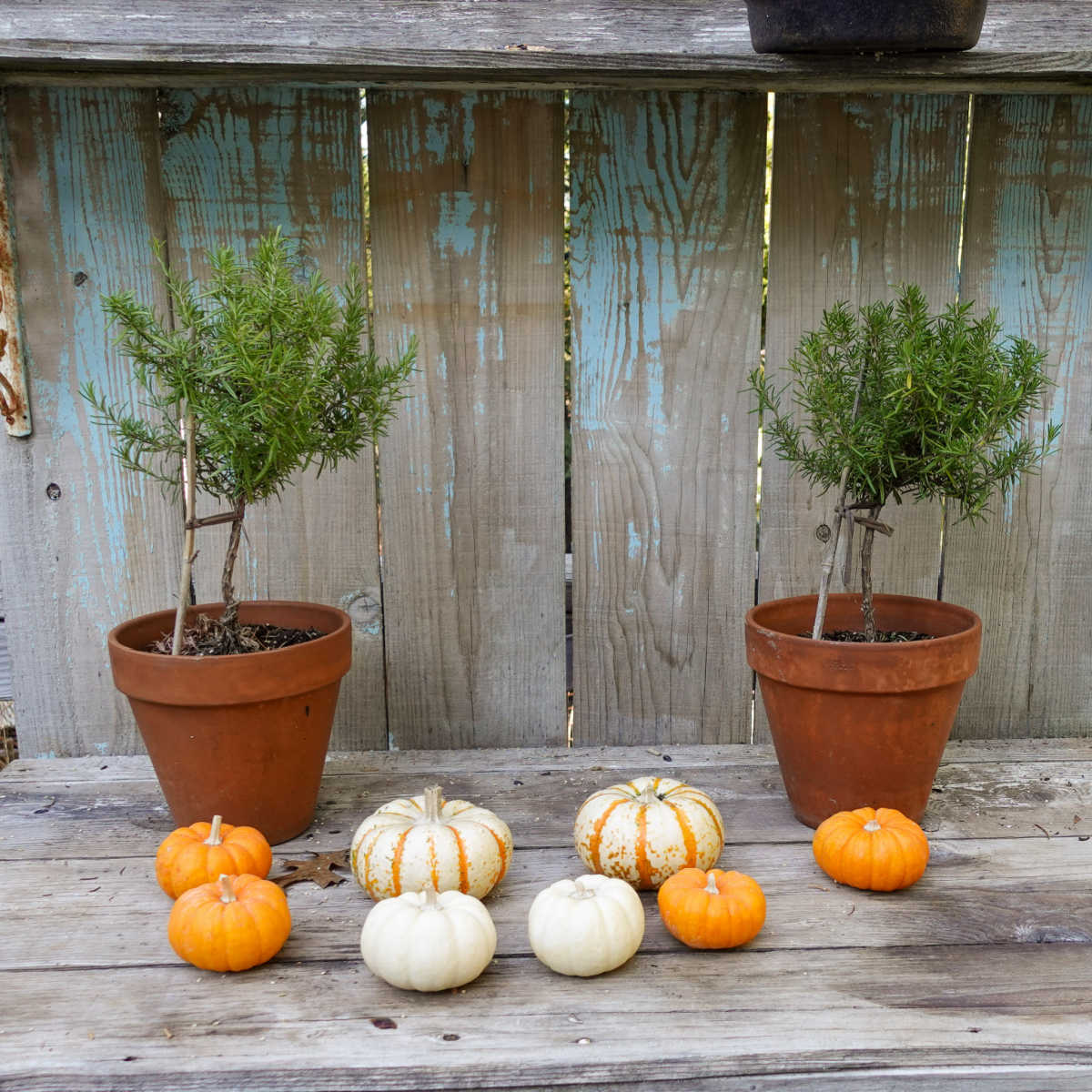
Grow Your Own Rosemary Magic! ✨
Want to have an endless supply of fragrant rosemary for cooking or crafting? It’s super easy to propagate rosemary from cuttings! You can keep them for yourself, give them as lovely gifts, or even shape them into adorable topiaries. Let’s get started!
Is Rosemary Right for You?
In many areas, rosemary is a bit of a homebody and needs to come inside during the chilly winter months. Think of it as a houseplant vacation! A sunny windowsill or a bright greenhouse corner will keep your rosemary happy until spring.
Let’s Get Propagating!
I recently gave my rosemary topiary (check it out above!) a little refresh, and I thought it would be the perfect time to show you how I root the cuttings. It’s like giving the plant a haircut and getting more plants for free! Win-win!
Note: This post contains affiliate links, which means if you click on a link and make a purchase, I might earn a small commission. This helps me keep creating fun gardening content for you, and it doesn’t cost you anything extra!
Want a Handy Printable Guide?
Just pop your email address in the form below and I’ll send you a printable step-by-step instruction sheet.
We respect your privacy. Unsubscribe at any time.
Creating the Perfect Potting Mix
Rosemary loves well-draining soil; think light and airy! My go-to mix is a blend of compost, rice hulls (perlite works great too!), and horticultural sand. If you’d rather keep things simple, cactus potting mix from the store will do the trick.
Taking Rosemary Cuttings
You’ll notice I’m using a different rosemary plant in the next images! The type may vary, but the technique stays the same. Grab some snippers or sharp pruners and snip off fresh, green cuttings that are about 3-4 inches long.
Preparing Your Cuttings
Now, gently remove the leaves from the lower portion of each cutting. They should come off easily with your fingers.
Next, dip the cut end into rooting hormone (optional, but it helps speed things up!).
Planting Your Cuttings
Use a small tool (like a pencil or a dibber) to create a little divot in your prepared soil. This helps protect the tender stem as you plant the cutting and keeps the rooting hormone from rubbing off.
The More, the Merrier!
Don’t be shy! Take plenty of cuttings. This increases your chances of success, and you can always share the extra plants with friends and neighbors. Rosemary makes such a thoughtful gift!
You can plant several cuttings in one pot, like I did, or…
…reuse a clean, sterile six-pack container for individual cuttings. You can also try soil blockers to create individual planting cubes! I’ve been wanting to try these and will update you on how it goes.
Update: After trying soil blockers I prefer to stick with pots and trays.
Pictured below are my filled pots of cuttings – from both the topiary trim and a new rosemary variety from our local garden center.
Creating the Ideal Environment
Placing your pots of cuttings in a propagation box can really boost their rooting success!
If you’re taking cuttings in the spring or summer, when the weather is warmer, you probably won’t need extra heat or lights. However, since I’m doing this in December, my cuttings are hanging out on my seed starting rack in my office to stay nice and cozy!
Watch How It’s Done!
This video shows how I create a topiary from rosemary cuttings and how I root them.
Other Easy Plants to Propagate from Cuttings
If you enjoyed this, try multiplying roses from cuttings or rooting a Christmas cactus.
Happy gardening, friends! Enjoy growing your own rosemary, and feel free to share the love!
Frequently Asked Questions
Q: How long do rosemary cuttings take to root?
A: Typically 3 to 4 weeks, though it can take up to 8. Give the cutting a gentle tug — resistance means roots have formed.
Q: Can you root rosemary cuttings in water?
A: You can, but rosemary roots more reliably in a gritty, well-draining mix. If you start in water, pot the cuttings up as soon as roots appear, since water roots are fragile.
Q: What is the best time of year to take rosemary cuttings?
A: Late spring through summer, using soft, green (non-woody) new growth, which roots the fastest.
Related Guides
- Unlock the Secret to Multiplying Roses: Simple Cutting Techniques
- Propagate Petunias: Root New Plants from Cuttings
- 12 Must-Propagate Perennials: Effortless Cuttings to Multiply Your Garden (May Guide)
See also: Lavender Cuttings: How to Propagate Lavender for Free — the same easy method for lavender.