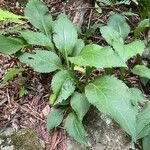
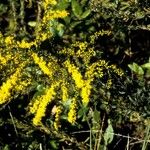
Hypoxis hirsuta
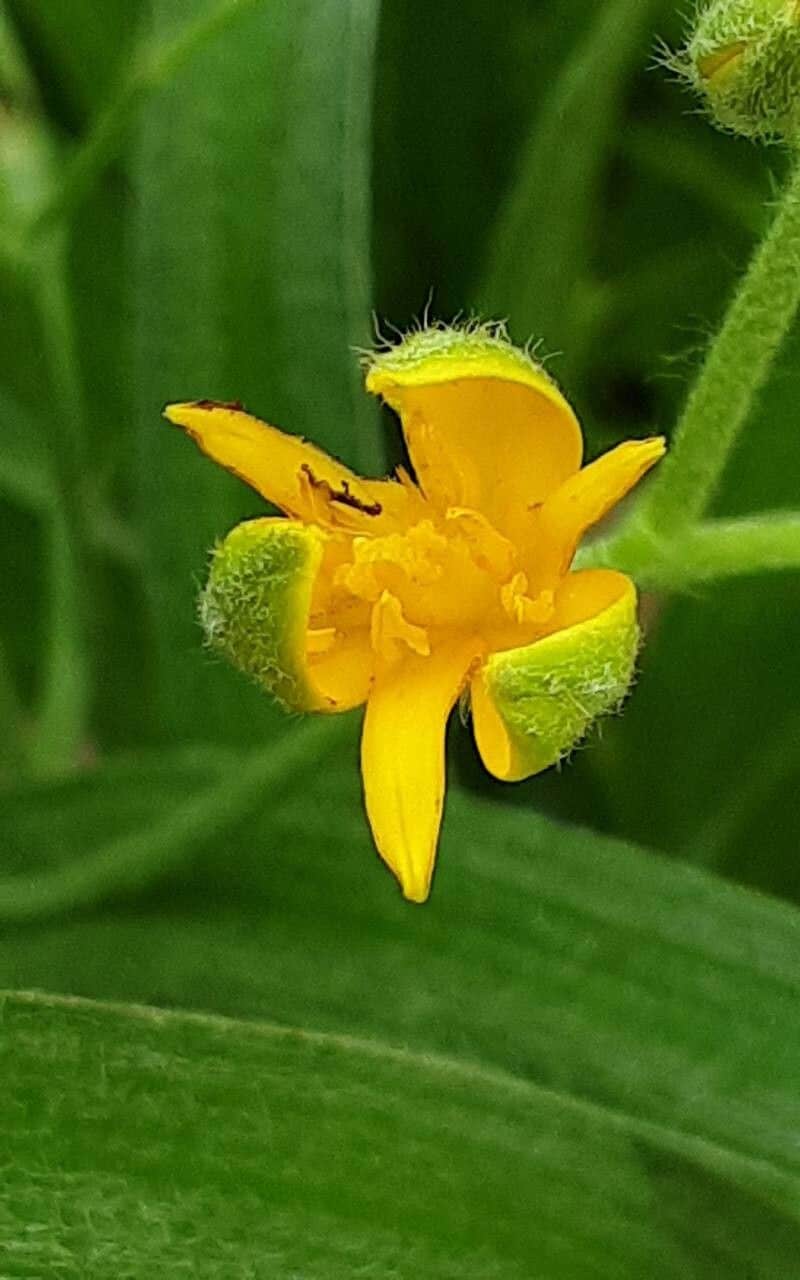
Hypoxis hirsuta, also known as Yellow Star Grass, is a cheerful addition to any wildflower garden. Propagation is easiest by digging up and dividing clumps in early spring or fall.

Hypoxis hirsuta, also known as Yellow Star Grass, is a cheerful addition to any wildflower garden. Propagation is easiest by digging up and dividing clumps in early spring or fall.
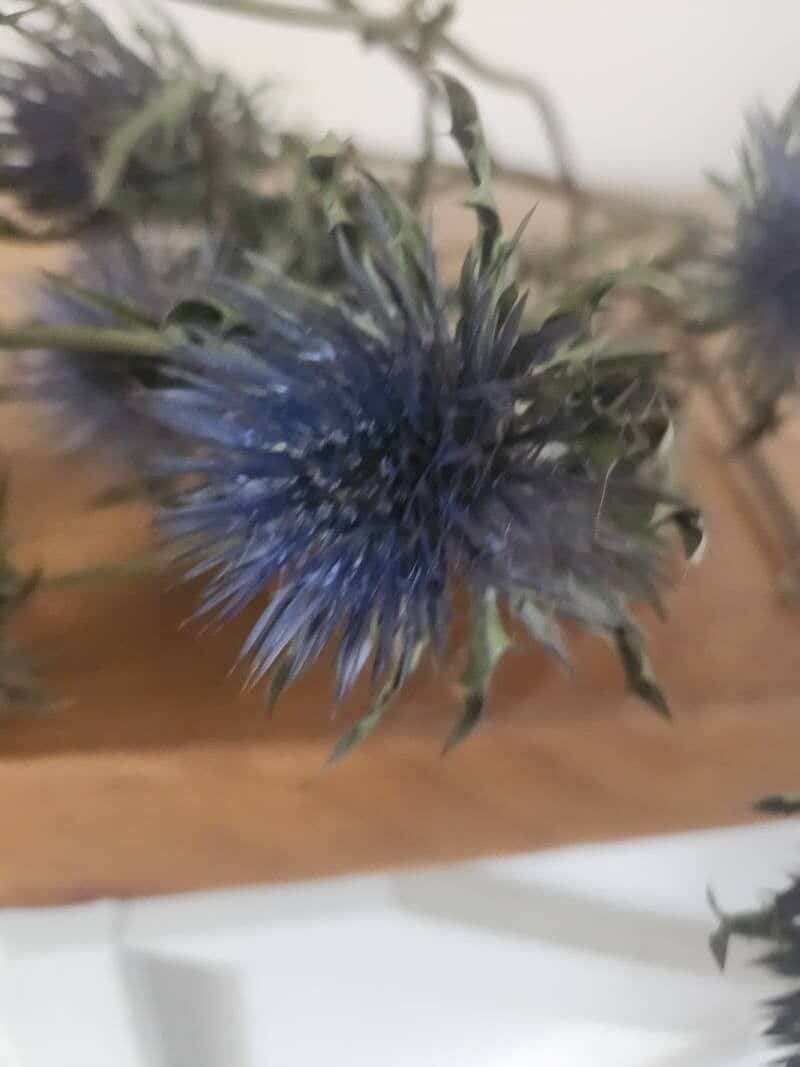
Eryngium hookeri, also known as Hooker’s eryngo, can be propagated by seed. Sow the seeds in a well-draining seed starting mix and keep them consistently moist until germination.

Crataegus × sinaica, also known as the Sinai Hawthorn, can be propagated through seed stratification, a process that mimics winter conditions to encourage germination.
Softwood cuttings taken in early summer can also be rooted to create new plants.

The plant shown is Hyptis brachiata, commonly known as Desert Lavender or False Basil. To propagate, take stem cuttings in spring or summer from new growth, ensuring each cutting has at least four leaf nodes.
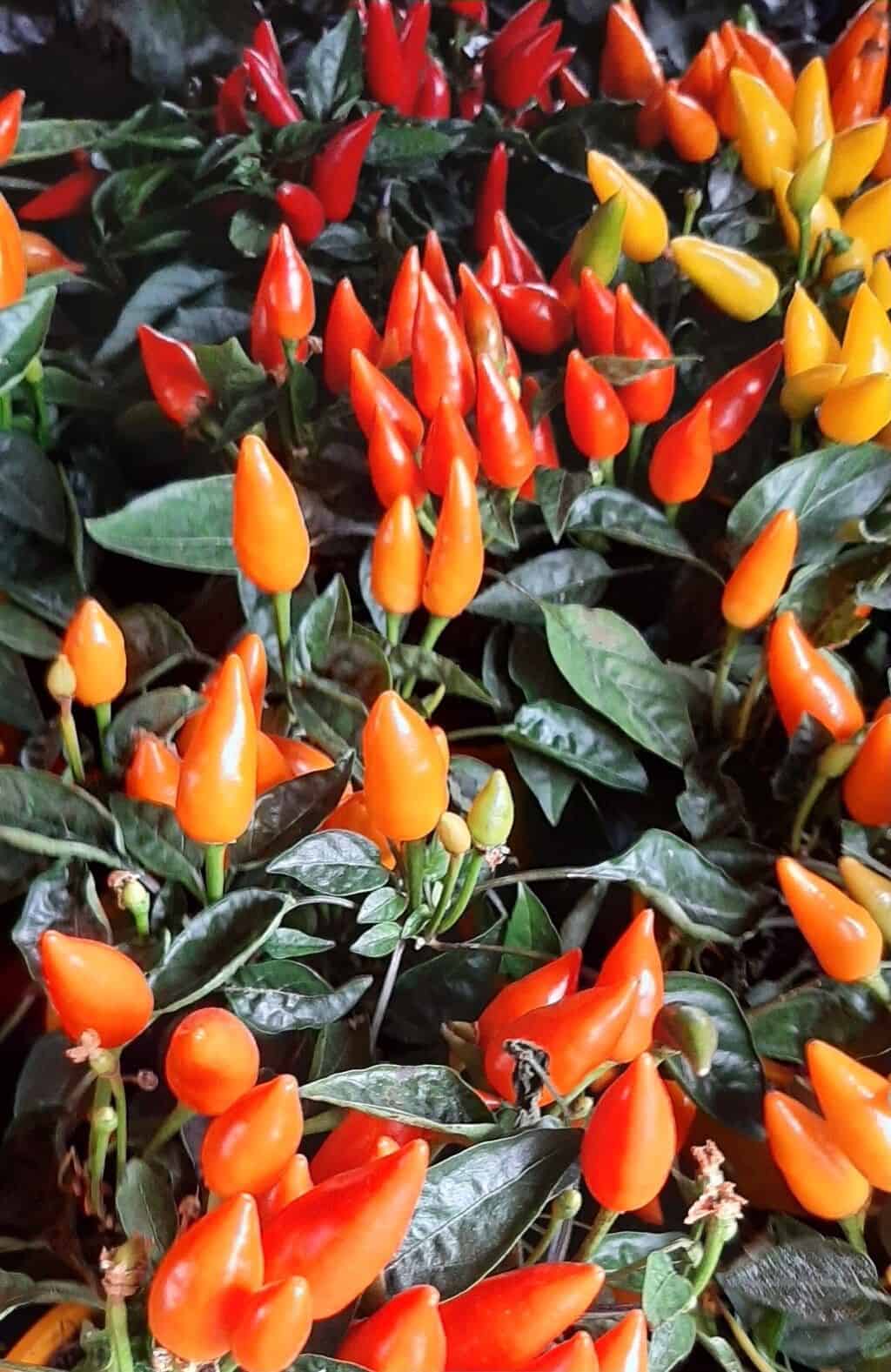
Capsicum frutescens, also known as the Tabasco pepper, is easily propagated from seeds harvested from ripe fruits. Simply allow the seeds to dry completely before sowing in a well-draining seed starting mix.

Guatteria australis, a fascinating flowering plant, can be propagated through the sowing of its seeds. Ensure the seeds are fresh for best results and provide them with a warm, humid environment to encourage germination.

While beautiful, Adesmia ameghinoi is a lesser-known species. Learning how to propagate this plant will help ensure its survival and spread its unique beauty.

The image shows a close-up of the distinctive ribbed stem of the Myrtillocactus eichlamii, also known as the Blue Candle Cactus. To propagate this cactus, you can take cuttings of healthy stems, allow them to callus, and then plant them in a well-draining potting mix.

Securidaca calophylla can be propagated from seed. Soaking the seeds in warm water for 24 hours before sowing can improve germination rates.