Nitsch and Nitsch (NN) Medium

default image

Exploring Nitsch and Nitsch (NN) Medium: A Cornerstone in Plant Tissue Culture Plant tissue culture has revolutionized the field of botany and agriculture, enabling researchers to propagate plants under controlled conditions. One of the many pivotal tools in this field is the culture media, which acts as a nutrient-rich environment for plant cells, tissues, or … Read more

White’s Medium

default image

White’s Medium: A Key Medium in Plant Tissue Culture Tissue culture is a widely used technique in plant biology and biotechnology, allowing the growth and propagation of plants in controlled, sterile environments. One of the cornerstone solutions that support plant growth in vitro is the plant tissue culture medium. Today, we’ll explore one classic tissue … Read more

Schenk and Hildebrandt (SH) Medium

default image

Title: Schenk and Hildebrandt (SH) Medium: A Comprehensive Guide in Plant Tissue Culture In the field of plant biotechnology, the development of refined tissue culture media has proven indispensable for the success of in vitro plant growth, propagation, and research. One such seminal medium is the Schenk and Hildebrandt (SH) Medium, which has been instrumental … Read more

Murashige and Skoog (MS) Medium

default image

Murashige and Skoog (MS) Medium: The Gold Standard for Plant Tissue Culture Introduction Murashige and Skoog (MS) Medium, developed by plant physiologists Toshio Murashige and Folke K. Skoog in 1962, has become an essential cornerstone in the field of plant tissue culture. Widely regarded as the “gold standard,” MS medium supports in vitro plant growth … Read more

Linsmaier and Skoog (LS) Medium

default image

Linsmaier and Skoog (LS) Medium: A Foundation for Plant Tissue Culture In the world of plant biotechnology and tissue culture, the culture medium serves as the lifeblood for in vitro plant growth. One of the most influential and frequently cited plant culture media is Linsmaier and Skoog (LS) Medium. Developed in 1965 by Erich Linsmaier … Read more

Gamborg’s B5 Medium

default image

Understanding Gamborg’s B5 Medium and Its Applications in Plant Tissue Culture Plant tissue culture has become an indispensable tool in modern plant biotechnology, aiding the controlled growth of plant cells, tissues, or organs in an artificial environment. One of the critical components of successful in vitro plant cultivation is the culture medium, which provides the … Read more

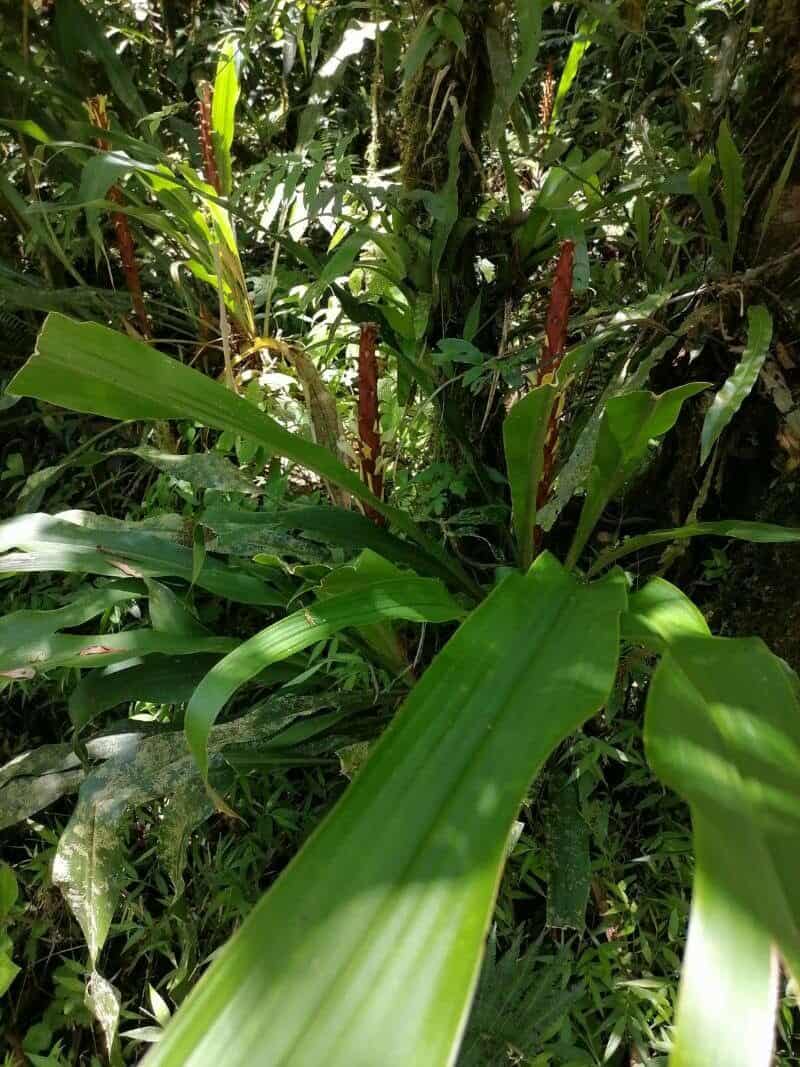
Pitcairnia imbricata

Unlocking the Secrets of Pitcairnia Imbricata Propagation: A Guide to Multiplying Your Terrestrial Bromeliad The Pitcairnia imbricata, with its vibrant blooms and intriguing foliage, brings a touch of the tropics to any plant lover’s collection. This terrestrial bromeliad, unlike its epiphytic cousins, thrives in soil, adding to its easy-going nature. Ready to expand your Pitcairnia … Read more

Barbarea rupicola

Conquering the Cliffs: Propagating the Rugged Beauty of Barbarea rupicola The Barbarea rupicola, more affectionately known as the Rockcress Bittercress, is not your average garden variety flower. This resilient plant, hailing from the craggy cliffs of Europe, boasts a charm as enduring as the landscapes it calls home. While its delicate yellow blooms and lush … Read more

Musa balbisiana

Unleash the Banana Power: Propagating Musa Balbisiana The humble banana. A staple fruit basket treat, right? But did you know that the bananas we typically buy aren’t the whole story? Enter the Musa balbisiana, a wild banana species and the unsung hero behind many cultivated varieties. This tough, resilient plant offers a fascinating glimpse into … Read more

Effective callus induction and plant regeneration in callusand protoplast cultures of Nigella damascena L.

Effective callus induction and plant regeneration in callusand protoplast cultures of Nigella damascena

In this study we report the development of effective in vitro systems for a medicinal plant Nigella damascena L. comprising:
(1) callus induction, (2) somatic embryogenesis in callus cultures with subsequent plant regeneration, and (3) isolation
and regeneration of callus-derived protoplasts. Callus development was achieved on 83–100% of hypocotyl and cotyledon
explants, whereby Murashige and Skoog medium (MS) supplemented with 3 mg L−
1 6-benzylaminopurine and 0.5 mg L−
1
α-naphthaleneacetic acid (NAA; BN medium) was more advantageous than MS with kinetin and NAA (KN medium). Histological
observations of calli revealed the presence of embryogenic zones from which somatic embryos developed on the
hormone-free medium. Plant regeneration was observed on 76–95% of calli. A high capacity to form somatic embryos and
regeneration was maintained in long-lasting cultures, i.e. even in 2 year old callus.
The obtained callus was also a good source tissue for protoplast isolation. By applying a mixture of cellulase and pectolyase,
the acceptable yield of viable protoplasts was achieved, especially from hypocotyl-derived callus maintained on BN medium.
Protoplasts embedded in an alginate matrix and cultured in modified Kao and Michayluk media re-constructed their cell
wall and re-entered mitotic divisions. About 30% of small cell aggregates formed microcalli, which, after the release from
alginate, proliferated continuously on KN and BN media, irrespective of the tissue variant used as the protoplast source.
Somatic embryo formation and plant regeneration were successful on hormone-free media. An effective plant regeneration
system of N. damascena protoplast cultures has been developed and is being reported for the first time