
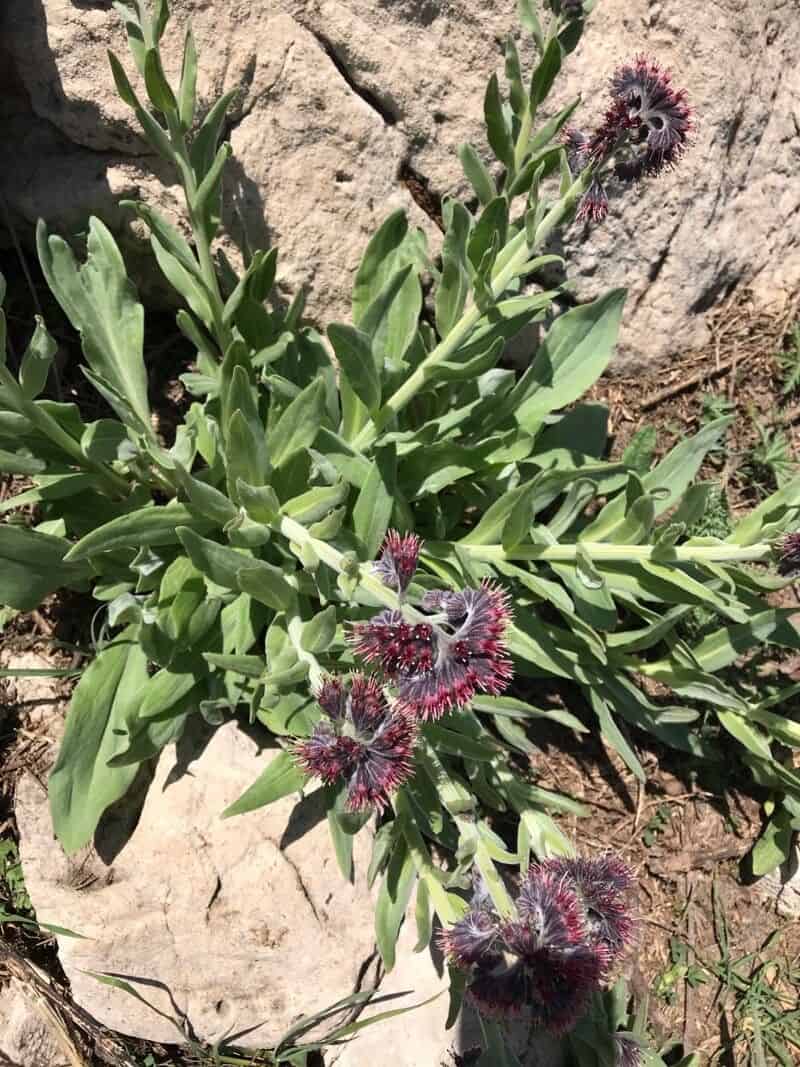
Unveiling the Secrets: How to Propagate the Enchanting Cucumberleaf Gromwell (Solenanthus stamineus)
The Cucumberleaf Gromwell, known scientifically as Solenanthus stamineus, is a charming, lesser-known plant that enthralls with its unique beauty. Its captivating blue, funnel-shaped flowers, reminiscent of forget-me-nots, and its cucumber-scented foliage make it a delightful addition to any garden. Fortunately, propagating this enchanting species doesn’t require a green thumb – just a dash of patience and the right knowledge.
This detailed guide will unveil the secrets of successfully propagating Solenanthus stamineus, making it a breeze even for beginner gardeners.
Two Paths to Propagation: Seeds and Cuttings
Two primary methods dominate the propagation landscape for Solenanthus stamineus: seeds and basal cuttings. Let’s explore each technique in detail:
1. Sowing the Seeds of Success
- Timing is Key: Opt for spring sowing, ideally once the danger of frost has passed and the soil has warmed.
- Sowing Depth: Gently press the seeds onto the surface of well-draining seed compost, ensuring they receive ample light for germination.
- Creating a Greenhouse Effect: Cover the seed tray with a propagator lid or cling film to retain moisture and warmth, mimicking a greenhouse-like environment.
- Optimal Germination Temperature: Maintain a consistent temperature of around 18-21°C (64-70°F) for optimal germination.
- Transplanting with Care: Once the seedlings develop a few true leaves, carefully transplant them into individual pots filled with well-draining potting mix.
2. Mastering the Art of Basal Cuttings
- The Right Time and Tools: Take basal cuttings in late spring or early summer when the plant exhibits robust growth. Use a sharp, sterilized knife or pair of secateurs to prevent the spread of diseases.
- Choosing the Perfect Cutting: Select healthy, non-flowering shoots from the base of the plant, ensuring they are at least 7-10cm (3-4 inches) long.
- Preparing for Rooting: Remove the lower leaves from the cutting, leaving only a few at the top. This encourages root development and minimizes water loss through transpiration.
- Rooting Hormone Boost: While not strictly necessary, dipping the cut end in rooting hormone can significantly enhance the rooting success rate.
- Creating the Ideal Rooting Environment: Plant the cuttings in a well-draining mixture of peat moss and perlite or a specialized seed starting mix.
- Maintaining Moisture and Warmth: Cover the pot with a plastic bag or use a propagator to maintain high humidity and warmth, essential for successful rooting.
- Patience is a Virtue: It typically takes several weeks for cuttings to develop a good root system. Once you notice new growth, gradually acclimatize the cutting to normal conditions before transplanting.
Caring for Your Newly Propagated Cucumberleaf Gromwell
Once your Solenanthus stamineus plants are thriving, be sure to provide them with:
- Well-draining Soil: This species is susceptible to root rot, making well-draining soil crucial for preventing waterlogging.
- Sunlight Preference: Choose a location with full sun or partial shade, ensuring at least 4-6 hours of sunlight daily for optimal growth and flowering.
- Regular Watering: Water deeply but allow the soil to dry out slightly between waterings. Overwatering can lead to root problems and hinder the plant’s health.
- Supporting Structure: Consider providing a small trellis or stake to support the plant’s growth, especially in windy areas.
Propagating Solenanthus stamineus is a rewarding experience that allows you to expand your garden’s floral tapestry with this enchanting gem. With a bit of care and knowledge, you can cultivate a symphony of blue blooms and enjoy the unique cucumber scent of this captivating plant. Happy propagating!