
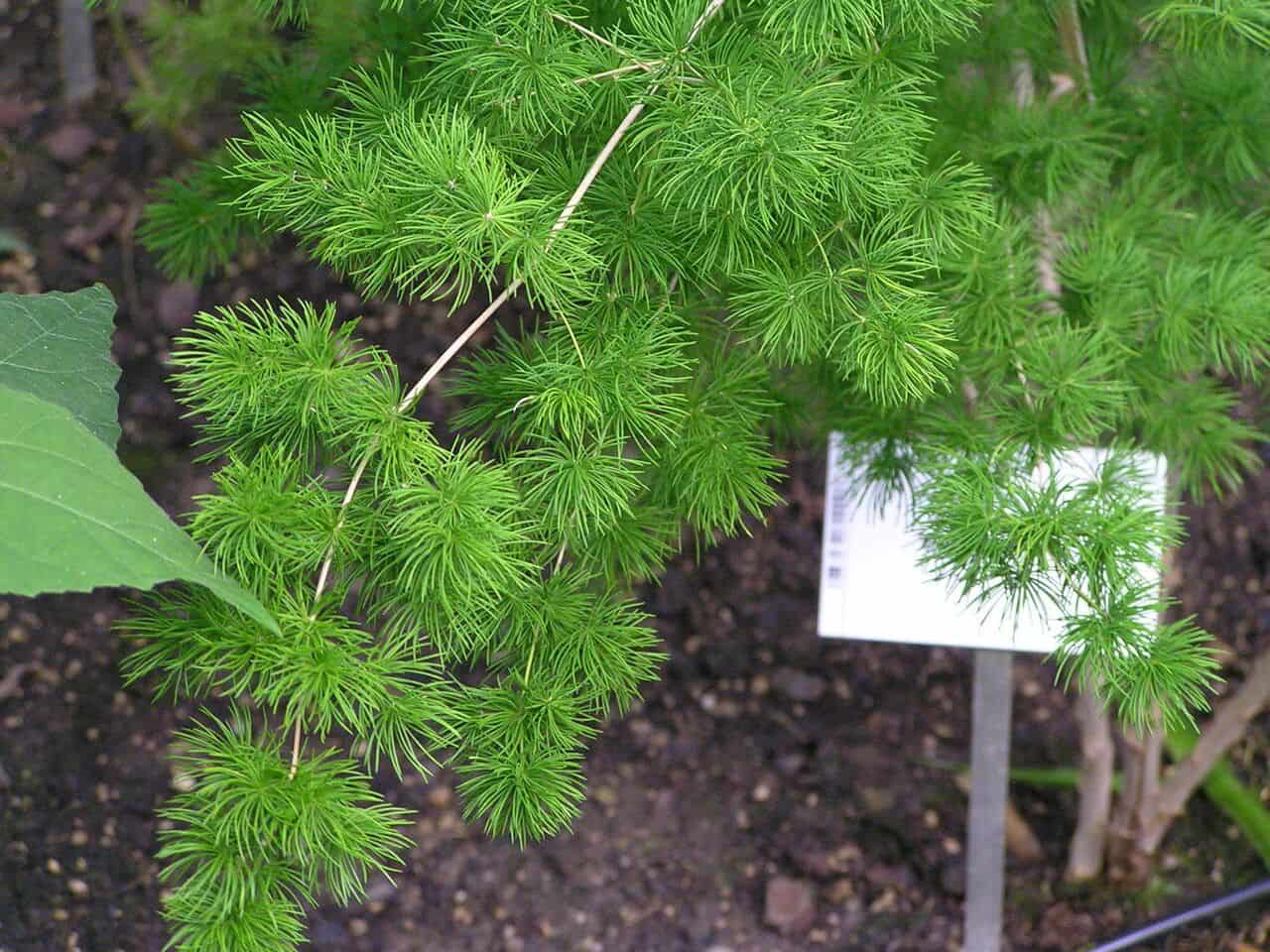
Taming the Wild Asparagus: A Guide to Propagating Asparagus Macowanii
Asparagus macowanii, with its dramatic sprays of feathery foliage and bright red berries, is a showstopper in any garden. Native to South Africa, this striking plant, also known as cat thorn or spike-thorn asparagus, adds unique texture and a touch of the exotic to landscapes. While relatively low-maintenance, propagating this beauty might seem like a challenge. Fear not, fellow plant enthusiasts! This guide will equip you with the know-how to successfully multiply your Asparagus macowanii.
Understanding the Options: Seeds vs. Divisions
Asparagus macowanii generously offers two primary propagation methods:
1. Seed Propagation:
- Pros: An adventurous and rewarding experience, seed propagation is ideal for producing multiple plants.
- Cons: Requires patience, as germination can be slow (anywhere from a few weeks to a couple of months) and plants take a few years to reach maturity.
2. Division:
- Pros: Faster than growing from seed, division yields established plants ready to flourish.
- Cons: Requires an existing, mature Asparagus macowanii plant to divide.
Method 1: Sowing the Seeds of Success
Timing is Key: Late winter or early spring is the optimal time to sow Asparagus macowanii seeds.
Here’s How:
- Preparation: Soak the seeds in warm water for 24 hours to enhance germination rates.
- Sowing: Choose a well-draining seed starting mix. Sow seeds individually in small pots, barely covering them with the mix.
- Warmth and Moisture: Provide a warm, bright location (out of direct sunlight) and maintain consistent moisture.
- Transplanting: Once seedlings develop a strong root system and a few true leaves (about 2-3 inches tall), transplant them into larger pots or directly into the garden.
Method 2: The Art of Plant Division
When to Divide: Early spring, before new growth emerges, is the best time for dividing Asparagus macowanii.
Step-by-Step Guide:
- Preparation: Water the parent plant thoroughly a day before division.
- Careful Extraction: Gently dig up the entire plant, ensuring you get a good portion of the root system.
- Division: Using a sharp, clean knife or pruning shears, carefully divide the plant into sections. Each section should have a healthy clump of roots and shoots.
- Replanting: Replant the divisions immediately in well-draining soil, ensuring the crown (where the roots meet the stems) sits slightly above soil level. Water thoroughly.
Nurturing Your New Asparagus Macowanii Plants
Regardless of your chosen propagation method, young Asparagus macowanii plants thrive in the following conditions:
- Sunlight: Bright, indirect light is ideal.
- Watering: Water regularly, allowing the soil to dry slightly between waterings.
- Soil: Well-draining soil is crucial to prevent root rot.
- Fertilizing: A balanced, slow-release fertilizer applied in spring will promote healthy growth.
A Rewarding Journey
Propagating Asparagus macowanii, whether from seed or division, is a fulfilling undertaking. By following these steps, you can enjoy the unique beauty of this striking plant and even share its splendor with fellow gardening enthusiasts. So, go ahead, embrace the challenge, and add a touch of the wild to your garden!