
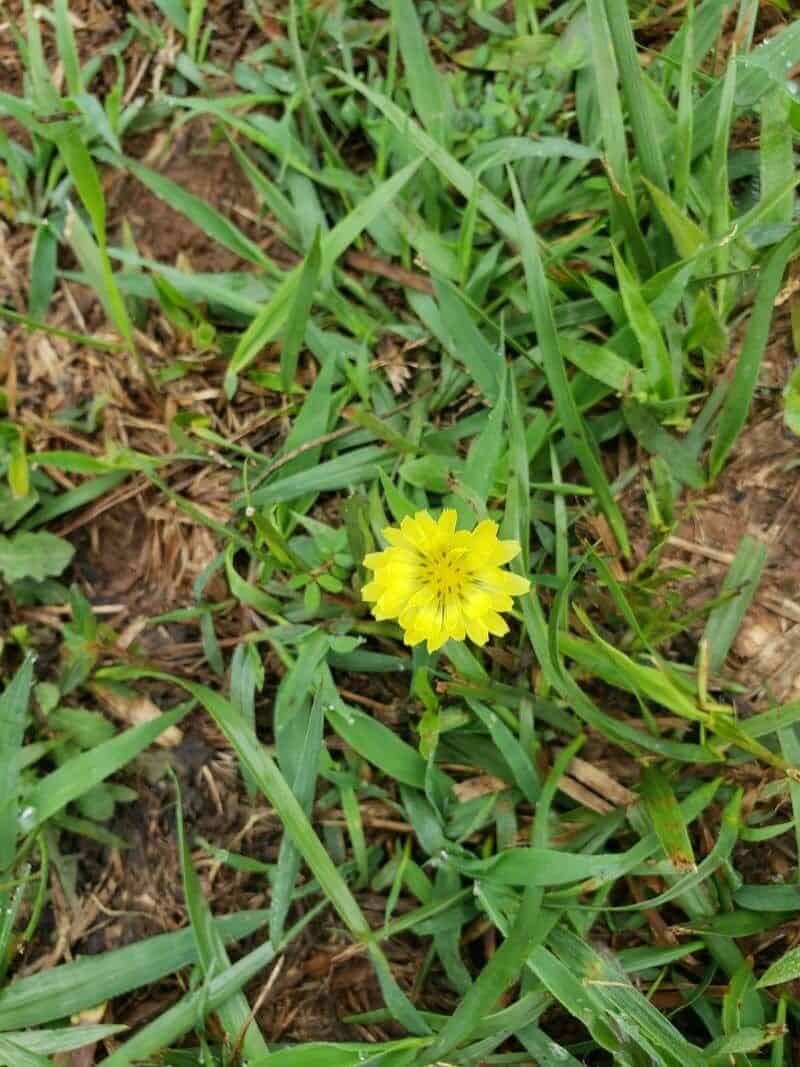
Taming the Texas Star: Propagating Pyrrhopappus carolinianus
Pyrrhopappus carolinianus, more commonly known as the Texas star or Carolina desert-chicory, is a charming wildflower native to North America. Boasting cheery yellow blooms similar to dandelions, it adds a touch of sunny whimsy to meadows, roadsides, and even gardens. If you’re looking to welcome this charming plant to your own outdoor space, propagation is surprisingly simple. Let’s explore the methods to cultivate these delightful “stars” in your backyard!
Method 1: Seed Starting
The most common and straightforward way to propagate Pyrrhopappus carolinianus is through its seeds. Here’s a step-by-step guide:
- Seed Collection: In late spring or early summer, mature Texas star plants produce fluffy white seed heads reminiscent of dandelions. Collect these seed heads when they appear easily detachable from the plant.
- Seed Preparation: Gently separate the seeds from the fluffy pappus (the parachute-like structure). No additional preparation like scarification or cold stratification is required for these resilient seeds.
- Sowing: You can directly sow the seeds outdoors in either fall or spring. Choose a sunny location with well-draining soil. Sprinkle the seeds on the surface and lightly rake them in, ensuring they are covered with a thin layer of soil.
- Watering: Keep the soil consistently moist until germination, which usually occurs within 1-2 weeks.
- Thinning: Once the seedlings reach a couple of inches tall, thin them to be spaced about 6-12 inches apart to prevent overcrowding.
Method 2: Division
While less common, division is another method to propagate established Texas Star plants. This technique is best done in early spring or fall.
- Digging: Carefully dig around the perimeter of the plant you want to divide, ensuring you unearth the entire root system.
- Dividing: Gently separate the plant into smaller sections, each having a good portion of healthy roots and shoots.
- Replanting: Replant the divisions in desired locations with adequate sunlight and well-draining soil.
- Watering: Water the newly planted divisions thoroughly and keep the soil evenly moist as they establish themselves.
Tips for Success:
- Soil: Pyrrhopappus carolinianus is adaptable to various soil types, but it thrives in well-drained soil with a slightly acidic to neutral pH.
- Sunlight: Choose a location with full sun (at least 6 hours of direct sunlight daily) for optimal growth and flowering.
- Watering: While this resilient wildflower tolerates drought conditions, regular watering, particularly during its first year, encourages vigorous growth.
A Rewarding Addition to Your Garden:
Propagating Pyrrhopappus carolinianus is a rewarding experience for both novice and experienced gardeners. This easy-to-grow wildflower enlivens gardens with its cheerful blooms, attracts beneficial pollinators like bees and butterflies, and even serves as a food source for some butterfly larvae. So why not embrace the charm of the Texas star and watch it flourish in your own backyard?