
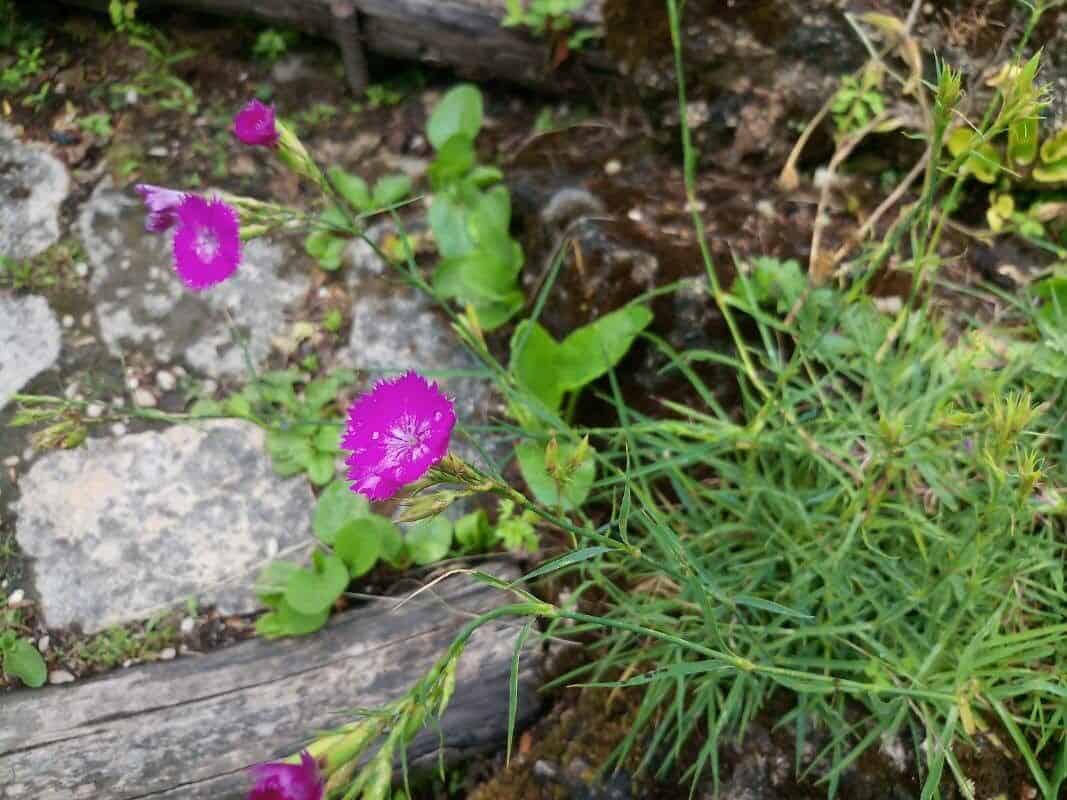
Painting Your Garden Red: The Complete Guide to Propagating Dianthus Cruentus
Dianthus cruentus, also known as the blood pink, is a captivating perennial celebrated for its vibrant crimson blooms and delicate, fringed petals. While it effortlessly injects a dash of drama and elegance into gardens, what makes this plant even more desirable is its ease of propagation. Whether you’re a seasoned gardener or a green thumb in the making, multiplying your Dianthus cruentus collection is a rewarding endeavor. Let’s explore the different methods that will have your garden bursting with these scarlet beauties.
1. Seed Starting: Welcoming New Life in Spring
Spring whispers promises of new beginnings, and for Dianthus cruentus, it’s the perfect time to sow seeds.
- Timing is Key: Start your seeds indoors 6-8 weeks before the last expected frost.
- Sowing the Seeds: Use a seed starting mix and sprinkle the seeds evenly on the surface, pressing them lightly. Remember, these seeds need light to germinate.
- Creating a Nurturing Environment: Place the tray in a warm, bright location (around 70°F) and mist the soil regularly to keep it consistently moist.
- Transplanting: Once the seedlings have developed a couple of true leaves and all danger of frost has passed, harden them off and transplant them into your garden.
2. Division: Multiplying Your Blossoming Beauties
For established Dianthus cruentus plants, division is a fantastic way to create new ones. Spring or early fall, when the plant is not in active bloom, is the best time for this method.
- Gentle Excavation: Carefully dig up the entire clump, ensuring you get as much of the root system as possible.
- Division with Care: Gently tease apart the plant into smaller sections using your fingers or a clean, sharp knife. Make sure each section has a good amount of roots attached.
- Replanting: Choose a sunny spot in your garden with well-drained soil and replant your divided Dianthus cruentus, ensuring adequate spacing between each section.
3. Cuttings: A Snip Towards Success
Taking cuttings is another popular method to propagate Dianthus cruentus, especially during the active growing season in spring and summer.
- Selecting the Right Cuttings: Choose healthy, non-flowering stems that are about 3-4 inches long.
- Prepping the Cutting: Remove the lower leaves from the stem, leaving only a couple at the top.
- Encouraging Root Development: Dip the cut end in rooting hormone (optional but recommended) and plant it in a pot filled with a well-draining potting mix.
- Creating a Humid Haven: Cover the pot with a plastic bag or use a propagator to create a humid environment.
- Transplanting: Once the cutting has developed a good root system (usually within a few weeks), you can transplant it into your garden.
Caring for Your Newly Propagated Dianthus Cruentus
No matter which propagation method you choose, proper care is essential for your new Dianthus cruentus babies to thrive. Ensure they receive:
- Ample Sunlight: At least 6 hours of direct sunlight a day for optimal blooming.
- Well-Drained Soil: These plants are susceptible to root rot, so good drainage is paramount.
- Regular Watering: Water deeply but infrequently, allowing the soil to dry out slightly between waterings.
- Deadheading: Regularly remove spent blooms to encourage continuous flowering throughout the season.
Propagating Dianthus cruentus is an incredibly fulfilling experience. It’s a chance to connect with nature’s magic and witness the miracle of new life unfolding in your garden. So, this season, don your gardening gloves, and get ready to paint your world crimson with these charming, easy-to-propagate beauties.