
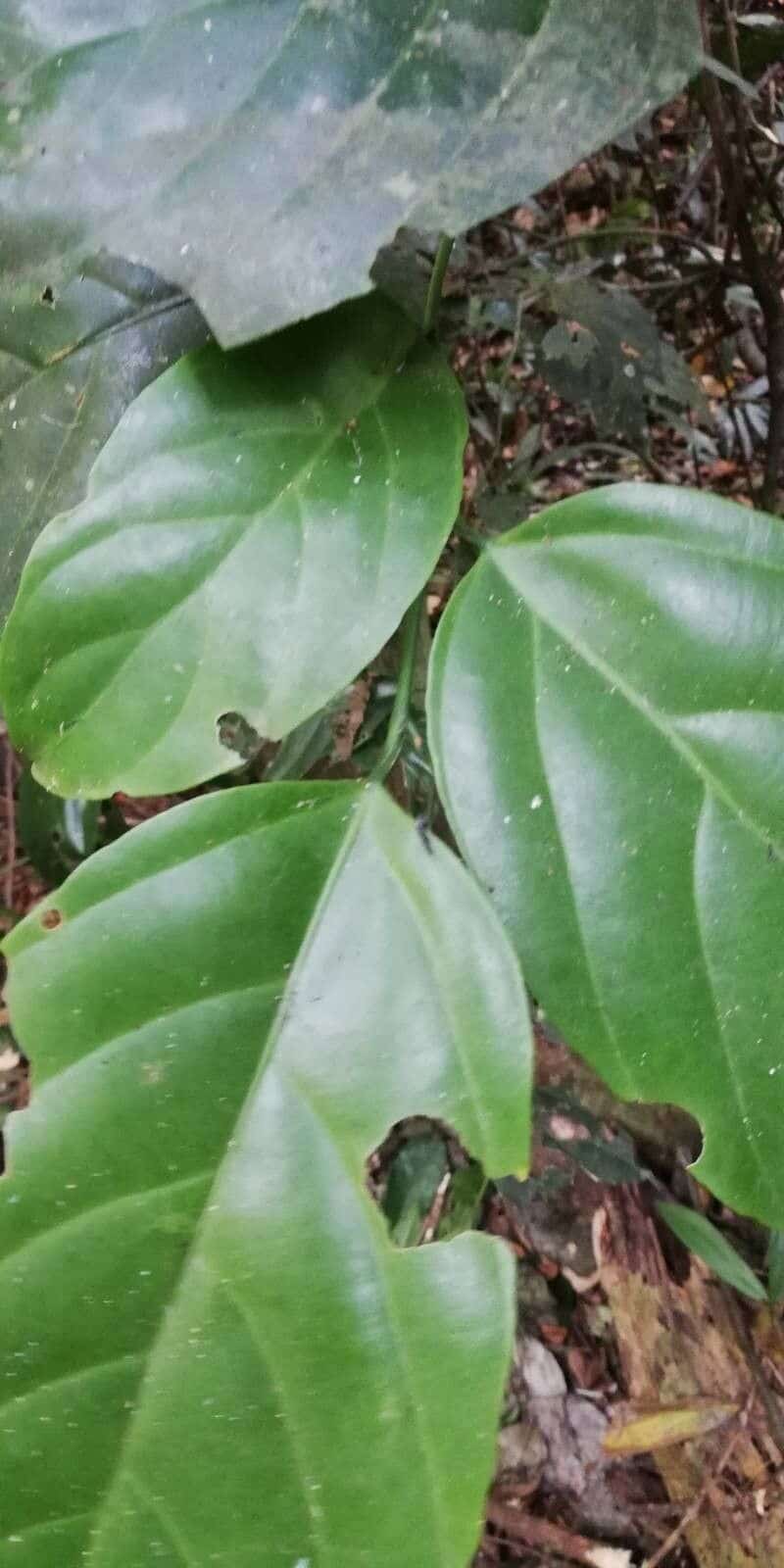
Unlocking the Secrets of Strombosia grandifolia: A Guide to Propagation
Strombosia grandifolia, also known as the “African wood olive” or “idan” in Yoruba, is a majestic tree native to West Africa. Prized for its timber, medicinal properties, and edible fruits, this versatile species deserves a place in more gardens and reforestation projects. But successfully growing Strombosia grandifolia from scratch can feel like a mystery. Fear not, plant enthusiasts! This guide will unlock the secrets of propagating this remarkable tree.
Two Paths to Propagation: Seeds vs. Cuttings
Mother Nature provides two primary ways to propagate Strombosia grandifolia: seeds and cuttings. Each method has its pros and cons, so understanding them is crucial for your success.
1. The Seed Route: A Test of Patience
Propagating Strombosia grandifolia from seed requires a patient hand. Here’s a breakdown of the process:
- Seed Collection: Collect ripe fruits directly from the tree. Look for fallen fruits that are brown and slightly soft.
- Seed Extraction and Cleaning: Extract the seeds from the fruit pulp and wash away any remaining flesh. It’s crucial to clean the seeds thoroughly to prevent fungal growth.
- Pre-treatment: Strombosia grandifolia seeds have a hard seed coat that can inhibit germination. To overcome this, soak the seeds in warm water for 24 hours before sowing.
- Sowing: Use a well-draining potting mix and sow seeds about 1 inch deep.
- Patience is Key: Germination can be slow and erratic, ranging from a few weeks to several months. Keep the soil consistently moist but not waterlogged.
Pros of Seed Propagation:
- Genetic Diversity: Growing from seed promotes genetic diversity, which strengthens the species’ resilience.
- Rewarding Experience: Successfully nurturing a tree from a tiny seed offers immense satisfaction.
Cons of Seed Propagation:
- Slow Process: Seed germination can be unpredictable and take a considerable amount of time.
- Varied Results: Seedlings might not always inherit the desired traits of the parent tree.
2. Taking Cuttings: A Quicker Approach
Propagating Strombosia grandifolia from cuttings offers a faster alternative to seed germination. Here’s how it’s done:
- Cutting Selection: Choose healthy, semi-hardwood cuttings from the current year’s growth. Ideally, select branches that are about 6-8 inches long with several leaf nodes.
- Cutting Preparation: Remove the leaves from the lower half of the cutting. Dipping the cut end in rooting hormone powder can significantly improve success rates.
- Planting the Cutting: Plant the prepared cuttings in a well-draining potting mix, burying at least two leaf nodes.
- Creating Humidity: Cover the cutting with a plastic bag or use a propagation box to maintain humidity.
- Root Development: With proper care, roots should develop within 6-8 weeks.
Pros of Cutting Propagation:
- Faster Growth: Cuttings generally establish themselves quicker than seeds.
- Clonal Reproduction: Cuttings produce an exact copy of the parent tree, guaranteeing desirable traits.
Cons of Cutting Propagation:
- Limited Material: Unlike seeds which are abundant, cuttings require access to an existing tree.
- Potential for Disease: If not taken care of properly, cuttings can be susceptible to fungal diseases.
Nurturing Your Strombosia grandifolia
Whether you choose seeds or cuttings, remember these tips for healthy growth:
- Well-Drained Soil: Strombosia grandifolia thrives in well-drained soils.
- Sunlight Requirements: Provide young trees with partial shade initially, gradually increasing to full sun as they mature.
- Regular Watering: Water regularly, especially during dry periods.
Propagating Strombosia grandifolia might demand some patience and care, but the rewards are well worth the effort. By following these guidelines, you can contribute to the conservation of this valuable species and enjoy the beauty and benefits of this African treasure for years to come.