
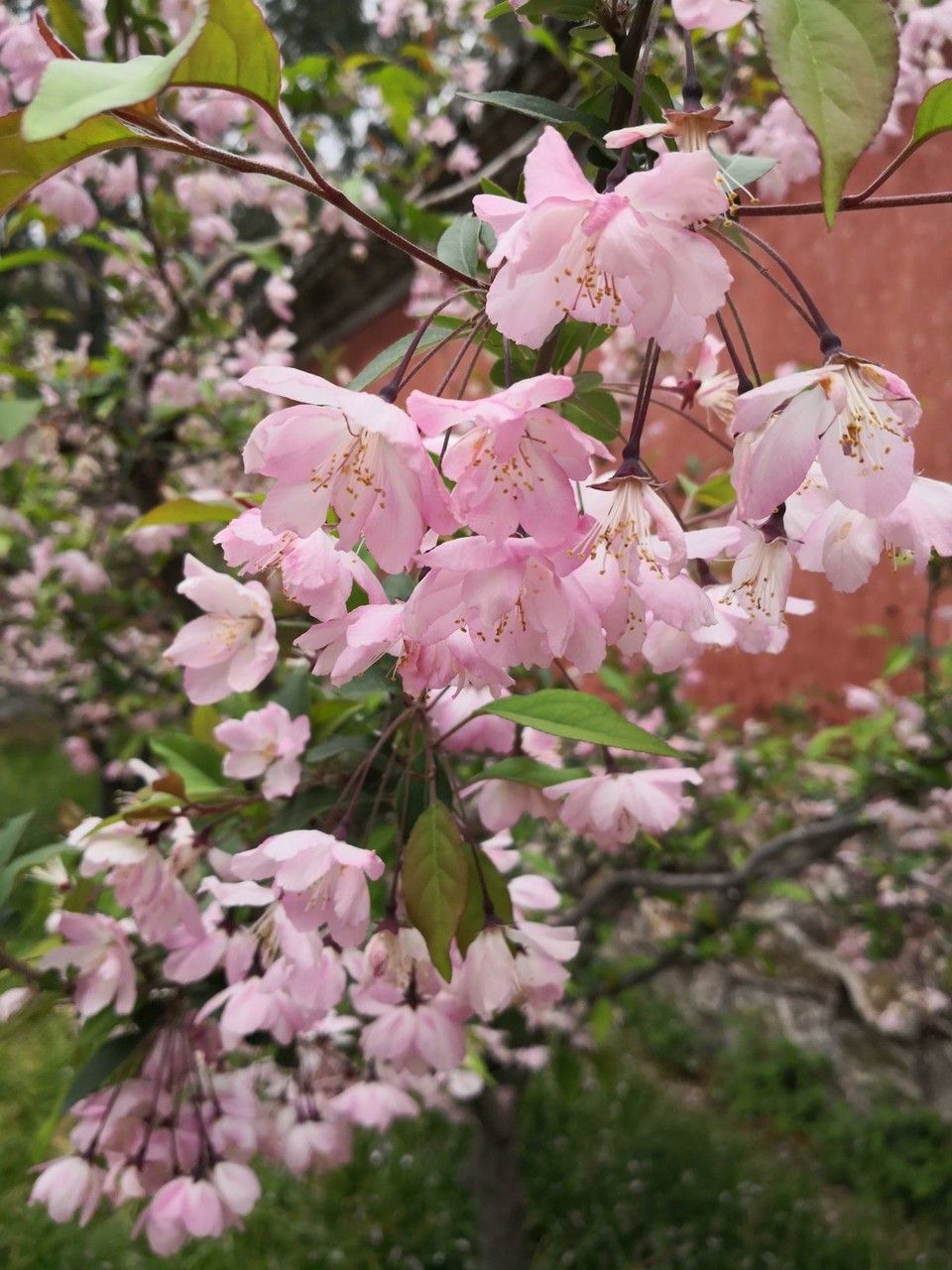
More than Just Pretty in Pink: Propagating Your Hall Crabapple Tree
The Hall Crabapple tree (Malus halliana), with its cascading branches adorned with delicate pink blossoms in spring, is a sight to behold. But did you know that you can multiply this beauty in your own backyard? Propagating Malus halliana might seem daunting, but with a little guidance, you can cultivate new trees and enjoy their stunning blooms for years to come.
This article explores two common methods for propagating your Hall Crabapple tree:
1. Growing from Seed (The Adventurous Route):
– Gather & Prepare: Collect mature crabapple fruits in late summer or early fall. Extract the seeds and rinse off any remaining fruit flesh. Remember, seeds from hybrid varieties might not produce offspring identical to the parent tree.
– Stratification Time: Hall Crabapple seeds need a period of cold dormancy called stratification. Mix the seeds with damp vermiculite or sand, store them in a sealed bag, and refrigerate them for at least 90 days (around 3 months).
– Time to Sow: In early spring, after the last frost, plant the stratified seeds about ½ inch deep in a seed-starting mix. Ensure good drainage and keep the soil consistently moist but not soggy.
– Patience is Key: Germination can take several weeks or even months. Be patient and provide consistent care, including adequate sunlight. Once seedlings are a few inches tall, you can transplant them into individual pots. Be prepared for a longer wait, as trees grown from seed can take several years to produce flowers.
2. Taking Cuttings (The Quicker Option):
– Timing is Everything: Early summer, when new growth is still flexible, is the prime time for taking cuttings.
– Select & Snip: Choose healthy, non-flowering shoots from the current year’s growth. Using sharp, sterilized pruning shears, take cuttings about 6-8 inches long, making a clean cut just below a leaf node.
– Prepare Your Cuttings: Remove the lower leaves from the cutting, leaving a couple of leaves at the top. Dip the cut end in rooting hormone powder (optional but recommended).
– Planting & Care: Plant the cuttings in pots filled with a well-draining potting mix. Keep the soil consistently moist and provide humidity by covering the pots with plastic bags or using a propagation dome.
– Rooting & Beyond: After several weeks, gently tug on the cutting – resistance indicates roots have formed! Once well-rooted, you can transplant the cuttings into larger pots and eventually into the ground after a year or two. Trees propagated from cuttings will mature and produce flowers faster than those grown from seed.
General Tips for Success:
- Location, Location, Location: Hall Crabapple trees thrive in full sun (at least 6 hours a day) and well-drained soil.
- Soil Matters: These trees prefer slightly acidic soil with a pH of 5.5 to 6.5.
- Water Wisely: While young, your trees will need regular watering, especially during dry spells. Once established, they are relatively drought-tolerant.
- Pruning Prowess: Prune your trees in late winter or early spring to maintain their shape and encourage healthy growth.
Propagating your Malus halliana is a rewarding experience. Whether you choose the adventure of seeds or the faster gratification of cuttings, you’ll be rewarded with more of these stunning trees, enhancing the beauty of your landscape for years to come. Happy propagating!