
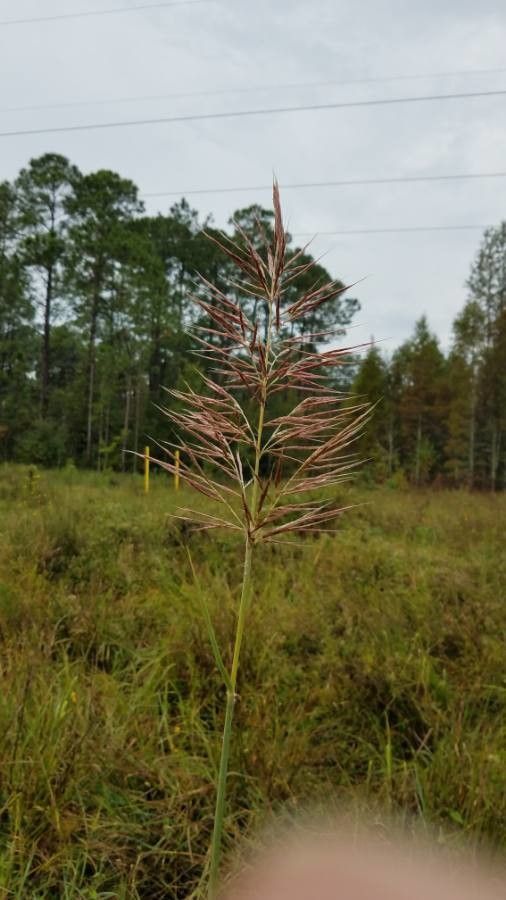
Taming the Silver Plume: Propagating Erianthus alopecuroides for a Breathtaking Garden
Erianthus alopecuroides, better known as Silver Plume Grass or Ravenna Grass, is a show-stopping ornamental grass prized for its silvery-white plumes that dance gracefully in the wind. This North American native adds texture, movement, and a touch of drama to any garden, growing up to 12 feet tall in optimal conditions. While readily available in nurseries, propagating your own Silver Plume Grass is a rewarding experience, allowing you to expand your garden’s beauty while learning valuable horticultural skills.
Two Roads to Propagation:
Silver Plume Grass can be propagated through two primary methods: division and seed. Both techniques come with their own set of advantages and drawbacks:
1. Division: The Go-To Method for Established Clumps
Division is the most common and reliable method, especially for established clumps of Silver Plume Grass. Here’s how to do it:
- Timing is Key: Divide in early spring, just when new growth emerges. This gives the divided plants ample time to establish themselves before winter.
- Divide and Conquer: Carefully dig up the entire clump, ensuring you get as much of the root system as possible. Using a sharp spade or gardening knife, divide the clump into smaller sections, each containing several healthy shoots and a good network of roots.
- Replanting: Amend the soil with compost for improved drainage and fertility. Replant the divided sections at the same depth they were originally growing, spacing them about 2-3 feet apart to allow for spreading.
- Water Deeply: Provide consistent moisture to the newly planted divisions, especially during the first few weeks post-transplantation.
Division Advantages:
- Guaranteed to inherit the parent plant’s characteristics.
- Relatively quick and straightforward process.
- High success rate, leading to established plants sooner.
2. Seed Propagation: Embracing the Element of Surprise
While slightly less predictable, propagating Silver Plume Grass from seed can be an exciting journey, potentially yielding unique variations in height and plume characteristics.
- Seed Collection: Collect seeds in late fall after the plumes have matured and turned tan. Store them in a cool, dry place until spring.
- Sowing time: Start seeds indoors 6-8 weeks before the last expected frost in your region.
- Sowing Process: Sow seeds in a seed-starting mix, barely covering them with soil. Maintain consistent moisture and provide warmth (around 70°F) for optimal germination.
- Transplanting Outdoors: Once frost danger has passed and the seedlings have developed a strong root system, transplant them to their permanent location in the garden.
Seed Propagation Advantages:
- Potential for unique variations in the offspring.
- Cost-effective method for propagating numerous plants.
Nurturing Your Silver Plume:
Regardless of your chosen propagation method, provide your Silver Plume Grass with the following care for optimal growth:
- Sun Worshipper: Plant in a location that receives full sun (at least 6 hours of direct sunlight daily).
- Well-Drained Soil: Ensure the soil drains well. Amend with compost or other organic matter to improve drainage if needed.
- Water Wisely: While somewhat drought-tolerant once established, consistent watering is crucial, especially during the first year.
- Winter Care: In colder regions, cut back the foliage to about 6 inches in late winter or early spring before new growth emerges.
By mastering these propagation techniques and providing the proper care, you can enjoy the captivating beauty of Silver Plume Grass in your own backyard, witnessing its graceful plumes sway and shimmer with every passing breeze.