
Unlocking the Secrets of Wulfenia Carinthiaca Propagation: A Guide to Growing This Rare Beauty
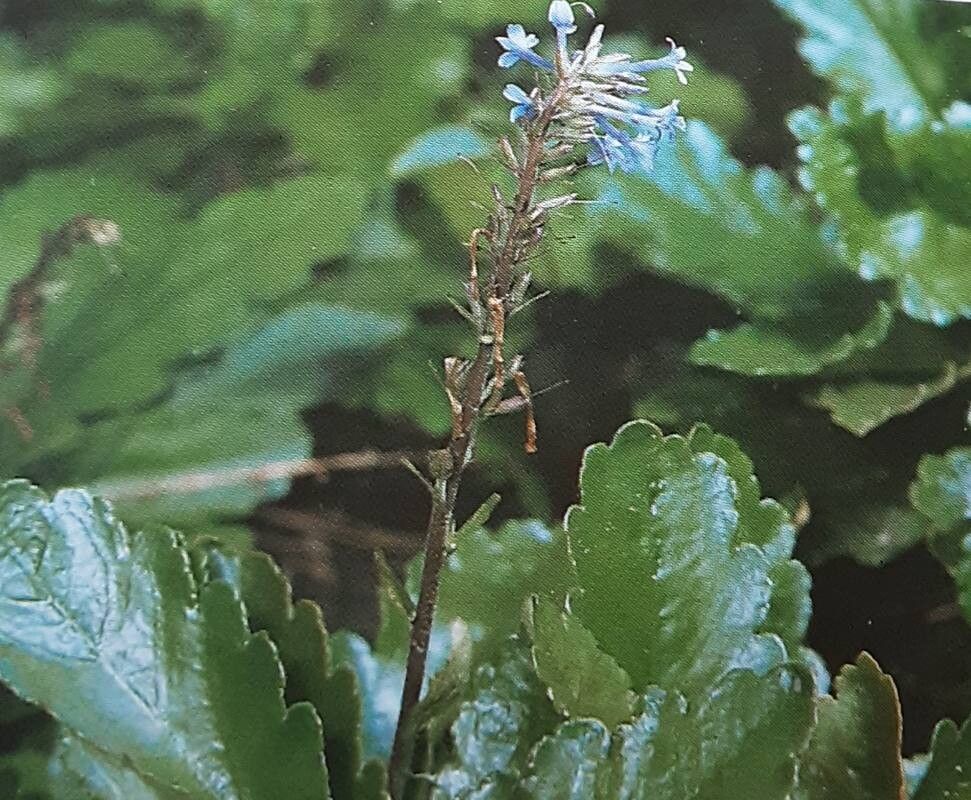
Wulfenia carinthiaca, also known as the Carinthian wolfsbane, is a captivating plant with striking blue flowers that resemble miniature foxgloves and lush, emerald-green foliage. Native to the Eastern Alps, this rare gem is a coveted addition to any rock garden or alpine house, but its propagation can feel like a closely guarded secret. Fear not, fellow plant enthusiasts! This guide will demystify the process and equip you with the knowledge to successfully propagate your own Wulfenia carinthiaca.
The Two Pathways to Propagation: Seed vs. Division
Wulfenia carinthiaca can be propagated through two primary methods: seed sowing and division. Each approach comes with its own set of advantages and considerations.
1. Seed Sowing: A Journey of Patience and Reward
Propagating from seed offers the most rewarding experience, allowing you to witness the plant’s entire life cycle. However, it requires patience and careful attention:
- Seed Collection: Wulfenia carinthiaca produces small, dust-like seeds encased within capsules. Harvest these capsules when they turn brown and dry, being careful not to scatter the delicate seeds.
- Sowing: Sow the seeds in late winter or early spring, using a well-draining seed starting mix. Surface sow the seeds, as they require light to germinate.
- Germination Conditions: Maintain a consistent temperature of around 60-65°F (15-18°C) and provide ample humidity by covering the seed tray with a clear lid or plastic wrap. Germination can take anywhere from a few weeks to a few months, so don’t lose hope!
- Pricking Out: Once the seedlings have developed a couple of true leaves, carefully transplant them into individual pots filled with a well-draining potting mix.
2. Division: A Quicker Route to Expansion
Division offers a faster and more straightforward approach, particularly for mature plants:
- Timing is Key: The ideal time to divide Wulfenia carinthiaca is in early spring, just as new growth begins to emerge.
- Dividing with Care: Carefully lift the plant from its pot or the ground, gently teasing apart the root ball into smaller sections. Each division should have a healthy portion of roots and shoots.
- Potting and Aftercare: Plant the divisions in individual pots or directly into the garden, ensuring they are at the same depth as they were previously growing. Water them thoroughly and provide light shade until they establish themselves.
Creating the Ideal Growing Environment
Whether you choose seed sowing or division, providing the right growing conditions is crucial for success:
- Soil: Wulfenia carinthiaca thrives in well-draining, slightly acidic soil. A mix of loam, peat moss, and grit creates the perfect environment for optimal growth.
- Light: While they appreciate some sun, especially in cooler climates, Wulfenia carinthiaca generally prefer partial shade, mimicking their natural habitat under the dappled light of alpine meadows.
- Water: Keep the soil consistently moist, but never waterlogged. Aim for deep watering sessions, allowing the soil to dry slightly between waterings.
- Fertilizer: These plants are light feeders. A diluted dose of balanced fertilizer in spring will suffice for the entire growing season.
With patience, dedication, and the right knowledge, propagating Wulfenia carinthiaca can be a rewarding experience. By embracing these propagation techniques, you can cultivate this alpine treasure and enjoy its captivating beauty for years to come.