
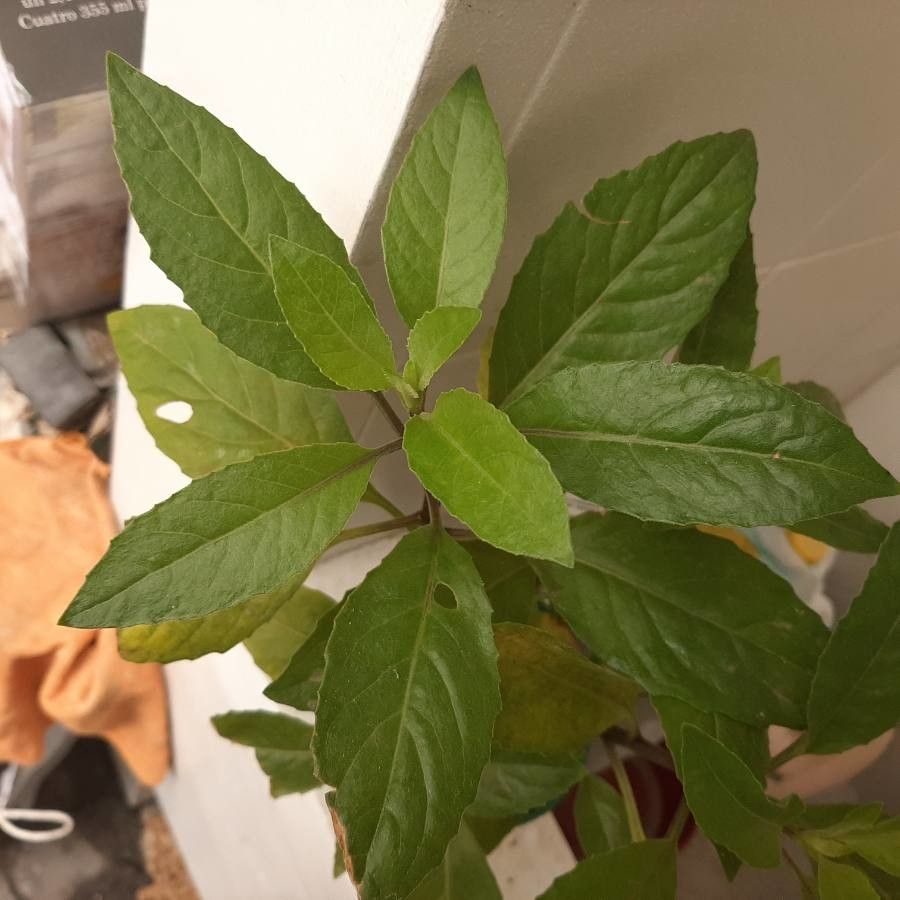
Propagating Angelica keiskei: A Gardener’s Guide to the Japanese Angelica
Angelica keiskei, commonly known as Ashitaba (アシタバ) in Japanese, is a fascinating and increasingly popular perennial herb prized for its unique, slightly celery-like flavor and purported health benefits. Its large, vibrant green leaves, striking umbelliferous flowers, and relatively easy cultivation have cemented its place in many gardens. Propagating Ashitaba, however, presents some unique challenges and rewards. Its popularity, coupled with its somewhat finicky nature, makes understanding its propagation methods crucial for successful gardening.
Seed Germination:
Currently, there are no known reliable methods for seed germination propagation of Angelica keiskei. While Ashitaba does produce seeds, their germination rate is notoriously low, and successful germination is rarely reported by home gardeners or researchers. The seeds possess a hard seed coat which may hinder water uptake and germination, and the optimal conditions for germination, if they exist, remain largely undocumented. Therefore, relying on seed germination for propagating this plant is not recommended.
Cuttings:
Propagating Ashitaba via cuttings presents a more viable option than seed germination.
Challenges: The success of cuttings depends heavily on timing and technique. Using semi-hardwood cuttings taken in late spring or early summer offers the best chance of success. The cuttings need to be long enough to include several nodes.
Practical Tips: Dip the cut ends in rooting hormone to encourage root development. Plant the cuttings in a well-draining propagation mix (e.g., a mix of peat moss and perlite) kept consistently moist but not soggy. High humidity, provided by a propagator or plastic bag, is beneficial.
Rewards: Cuttings offer a relatively straightforward method to create genetically identical clones of a desirable mother plant, preserving its specific traits. This is particularly useful for propagating cultivars with unique leaf characteristics or enhanced flavor profiles.
Division:
Division is perhaps the most reliable and convenient method for propagating Angelica keiskei.
Challenges: This method is best suited for established plants. The plant needs to be large enough to allow for the division into smaller, viable sections, each with healthy roots and sufficient foliage. Improper division can damage the plant, leading to reduced vigor or even death.
Practical Tips: The best time to divide Ashitaba is in spring or early autumn. Carefully dig up the plant, gently separate the crown into sections, ensuring each section has several healthy stems and a good root system. Replant the divisions immediately in similar growing conditions as the mother plant.
Rewards: Division offers a quick and effective way to increase the number of plants, and it preserves the genetic characteristics of the parent plant. It is also generally a less technically demanding method than cuttings or tissue culture.
Tissue Culture:
Tissue culture propagation is a more advanced technique, but it offers significant potential for large-scale, rapid propagation of Ashitaba.
Challenges: Requires specialized equipment, a sterile environment, and a good understanding of plant tissue culture techniques. Developing successful protocols for Ashitaba tissue culture may necessitate experimentation to optimize growth media and hormone applications.
Practical Tips: This method is generally best left to professionals or experienced propagators with access to the necessary facilities. Protocols will be specific to labs and needs to be developed and tested to perfect.
Rewards: Tissue culture allows for mass production of genetically identical plants, extremely useful for commercial applications and for the conservation of rare cultivars of Ashitaba. It also presents the potential to eliminate diseases and produce a larger quantity of plantlets compared to other methods.
Conclusion:
Successfully propagating Angelica keiskei presents unique challenges. While seed germination appears unreliable, cuttings and division offer viable options for home gardeners, with division proving the most accessible and successful. Tissue culture holds significant potential for large-scale production but requires specialized knowledge and resources. The rewards, however, make the effort worthwhile: the satisfaction of nurturing a healthy Ashitaba plant from cuttings or divisions – of successfully propagating this fascinating and versatile herb – is a testament to perseverance and gardening skill. So, don’t be discouraged by initial setbacks; with careful planning and attention to detail, you can enjoy the abundance of this truly remarkable plant.
