
Propagating Anisacanthus puberulus: A Gardener’s Guide to the Hummingbird’s Delight
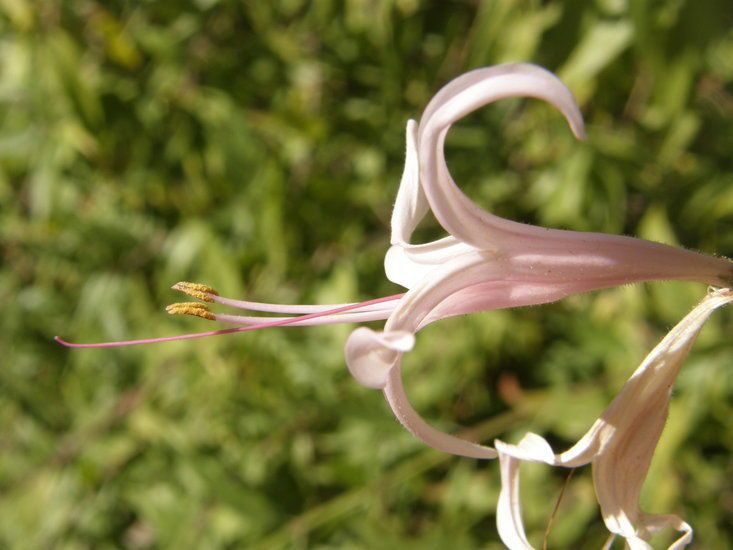
Anisacanthus puberulus, commonly known as the firebush, is a captivating shrub prized for its vibrant, tubular flowers that attract hummingbirds and other pollinators. Its drought tolerance and relatively low maintenance requirements have made it a popular choice among gardeners, particularly in warmer climates. However, propagating this beautiful plant can present some unique challenges. Understanding these challenges and choosing the appropriate propagation method is key to successfully expanding your firebush collection.
Seed Germination:
Currently, there are no known reliable methods for seed germination propagation of Anisacanthus puberulus. While the plant does produce seeds, germination rates are extremely low, even under ideal conditions. Further research is needed to determine if specific pre-treatments or techniques could improve germination success.
Cuttings:
This is arguably the most reliable method for propagating Anisacanthus puberulus.
Challenges: Successful rooting requires attention to detail. Overwatering or inadequate humidity can lead to rot, while insufficient humidity can hinder root development.
Practical Tips: Take semi-hardwood cuttings (6-8 inches long) in late spring or early summer. Remove lower leaves to prevent rot and dip the cut ends in a rooting hormone. Plant cuttings in a well-draining potting mix, maintaining high humidity (using a humidity dome or plastic bag). Keep the cuttings consistently moist but not soggy until roots develop, which typically takes 4-6 weeks.
Rewards: Cuttings offer a relatively quick and efficient way to produce genetically identical plants from a parent plant exhibiting desirable traits. It’s a good option for maintaining specific cultivars.
Division:
Division is a viable method, particularly for established plants.
Challenges: This method is only suitable for mature, well-established plants with a developed root system. Improper division can damage the root ball, leading to plant death or stunted growth.
Practical Tips: Divide the plant in spring or early fall during the dormant period. Carefully dig up the plant and gently separate the root ball into multiple sections, ensuring each section has a healthy set of roots and stems. Replant immediately in well-prepared soil.
Rewards: Division provides a relatively easy method for multiplying existing plants, allowing for quick expansion of a firebush collection without needing to start from cuttings.
Tissue Culture:
Tissue culture propagation for Anisacanthus puberulus is possible but requires specialized equipment and expertise.
Challenges: This is a complex and expensive method requiring a controlled environment, sterile techniques, and specialized media. It necessitates considerable knowledge of plant tissue culture protocols.
Practical Tips: Professional laboratories or experienced plant propagators are best suited for this method. Explants (small plant tissues) are taken from a healthy parent plant and grown in a sterile nutrient medium. Plant hormones are used to stimulate growth and multiplication.
Rewards: Tissue culture allows for large-scale propagation and the production of disease-free plants. It’s the method of choice for generating large numbers of plants with uniformity.
Conclusion:
Propagating Anisacanthus puberulus presents both challenges and rewards. While seed propagation remains unreliable, cuttings and division offer viable and relatively straightforward methods for the home gardener. Tissue culture represents a more advanced technique best left to specialists for large-scale propagation. The satisfaction of successfully propagating this beautiful plant, overcoming the hurdles of propagation, makes the effort all the more rewarding. Don’t be discouraged by initial setbacks; experiment with cuttings, master the art of division, and you’ll soon be enjoying the vibrant bloom of your successfully propagated firebushes. Remember patience and attention to detail are crucial for success.