
Propagating Madeira Vine: A Gardener’s Guide to Anredera vesicaria
Introduction:
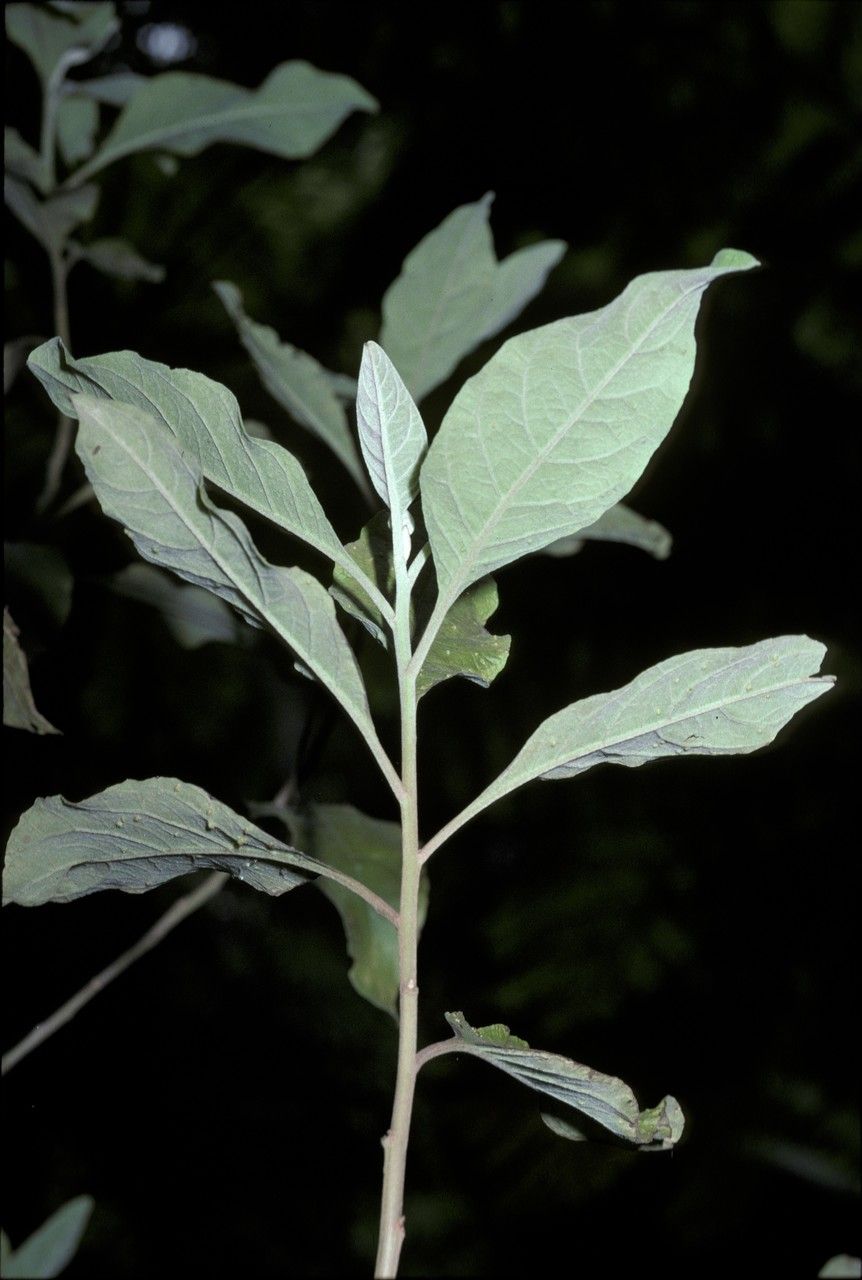
Anredera vesicaria, commonly known as Madeira vine, madeira-vine, or mignonette vine, is a vigorous, perennial climbing plant prized for its rapid growth and attractive, heart-shaped leaves. Its resilience and adaptability make it a popular choice among gardeners, although its invasive potential in certain climates necessitates careful consideration of its planting location. While readily available as established plants, propagating Madeira vine can be a rewarding, albeit sometimes challenging, endeavor. Its unique characteristics, such as its extensive root system and relatively infrequent flowering, influence the success of different propagation methods.
Seed Germination:
Currently, there are no known reliable methods for seed germination propagation of Anredera vesicaria. While the plant produces seeds, their germination rate is extremely low, and successful germination is rarely reported in horticultural settings. This is likely due to a combination of factors including dormancy mechanisms and potentially challenging microclimatic needs for germination. Therefore, relying on seeds for propagating this plant is not a practical approach.
Cuttings:
Cuttings represent the most reliable and commonly used method for propagating Anredera vesicaria.
Challenges: While generally successful, the rooting process can be slow, and not all cuttings take root. The ideal time for taking cuttings is during the growing season (spring or summer). Using older, more mature stems may decrease success.
Practical Tips: Take semi-hardwood cuttings, approximately 4-6 inches long, from healthy, actively growing stems. Remove lower leaves to prevent rotting. Treat the cut ends with rooting hormone to stimulate root development. Plant cuttings in a well-draining potting mix, ensuring consistent moisture but avoiding waterlogging. High humidity significantly aids rooting, which can be achieved using a propagator or covering the cuttings with a clear plastic bag.
- Rewards: Cuttings offer a relatively simple and effective method for creating numerous plants, preserving the genetic characteristics of the parent plant. This method is ideal for maintaining desirable cultivars and expanding existing plantings.
Division:
Division of established plants is another viable method for propagating Anredera vesicaria.
Challenges: This method requires an already established, mature plant with a well-developed root system. Care must be taken during division to avoid damaging the roots, which can hinder the growth of the separated portions. The plant’s vigorous root system makes it challenging to successfully separate; therefore, this method can be more laborious.
Practical Tips: The best time for division is during the dormant season or early spring. Dig up the entire plant carefully, gently separating the roots into smaller clumps, ensuring each division contains sufficient roots and shoots. Replant the divisions immediately into appropriately prepared soil.
- Rewards: Division allows for rapid multiplication of the plant, enabling gardeners to quickly increase their stock of Madeira vine.
Tissue Culture:
Tissue culture offers the potential for large-scale propagation and disease-free plants, but it’s generally not a practical home-gardening method.
Challenges: Tissue culture requires specialized equipment, sterile conditions, and a specific knowledge of plant tissue culture techniques. It’s technically demanding and expensive to set up.
Practical Tips: This method is best left to professional nurseries or laboratories.
- Rewards: It offers the potential for rapid, large-scale production of genetically identical plants, eliminating the risk of disease transmission.
Conclusion:
Propagating Anredera vesicaria presents unique challenges across different methods. While seed germination is unreliable, cuttings offer the most accessible and effective method for most home gardeners. Division is a viable option for established plants, but may require more effort. Tissue culture provides a highly efficient method, but is primarily suited for commercial propagation. The satisfaction derived from successfully propagating Madeira vine, despite the occasional setbacks, stems from the ability to nurture these vigorous plants from a cutting or division, watching them thrive and expand to blanket walls or fences with their lush, vibrant foliage. Don’t be discouraged by initial failures – perseverance and attention to detail are key to succeeding in propagating this rewarding plant. Experiment with different techniques and you’ll soon find the method that best suits your circumstances and skills.