
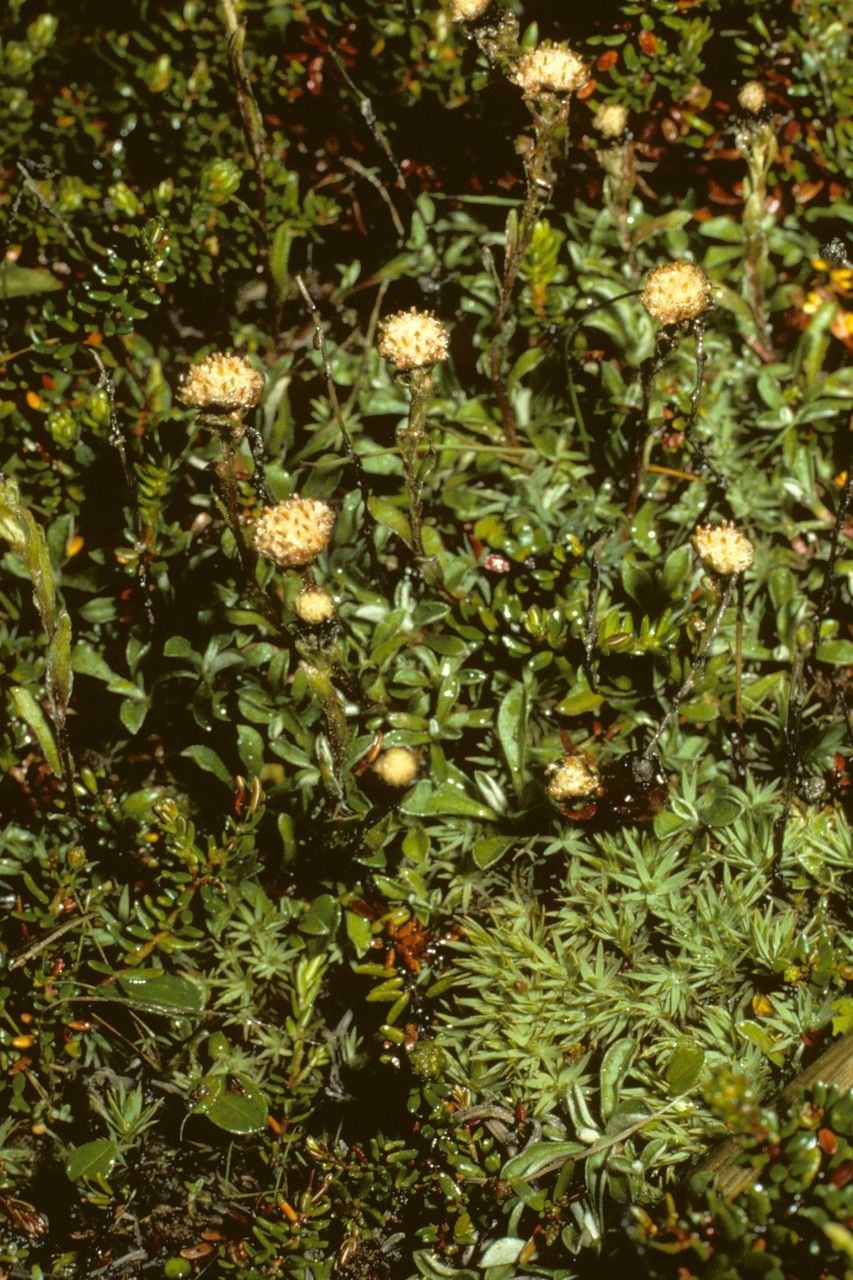
Propagating Pussytoes (Antennaria monocephala): A Gardener’s Guide
Introduction:
Antennaria monocephala, commonly known as pussytoes, is a charming, low-growing perennial valued for its fluffy, white flower heads resembling the paws of a kitten. These aesthetically pleasing blooms appear in spring, adding a delicate touch to rock gardens, borders, and wildflower meadows. Its tolerance to drought and poor soils makes it a popular choice among gardeners seeking low-maintenance, hardy plants. However, its propagation presents some unique challenges, requiring specific techniques to achieve successful establishment.
Seed Germination:
Currently, there are no known reliable methods for seed germination propagation of Antennaria monocephala. While seeds may be produced, their germination rate is notoriously low, and success in achieving viable seedlings is largely unpredictable. Factors such as dormancy mechanisms and specific environmental requirements remain largely unstudied, hindering widespread seed propagation.
Cuttings:
Challenges: Propagating pussytoes via cuttings can be challenging due to their relatively slow rooting rates. Success heavily relies on timing and the use of appropriate rooting hormones.
Practical Tips: Softwood cuttings taken in early summer, just as new growth emerges, offer the best chance of success. These cuttings should be approximately 4-6 inches long, taken from non-flowering stems. Dip the cut ends in a rooting hormone powder before planting them in a well-draining propagation mix (e.g., a mix of perlite and peat moss). Maintain high humidity (e.g., using a humidity dome or propagating tray covered with plastic wrap) and consistently moist (but not waterlogged) conditions. This process can take several weeks to months.
Rewards: Successful propagation from cuttings preserves the exact genetic characteristics of the mother plant, making it ideal for maintaining desirable cultivars.
Division:
Challenges: Division is arguably the easiest and most reliable method for propagating Antennaria monocephala. However, it requires established plants and careful handling to avoid damaging the delicate roots.
Practical Tips: The best time for division is in early spring or autumn, after flowering or before new growth emerges. Gently lift the mature plant from the ground and carefully separate it into smaller clumps, each with several healthy growth points and roots. Replant these divisions immediately into well-prepared soil, ensuring adequate spacing to avoid overcrowding.
Rewards: Division is a fast and efficient method, allowing for quick multiplication of desirable plants. It also minimizes stress on the parent plant compared to other methods.
Tissue Culture:
Challenges: Tissue culture propagation of Antennaria monocephala is not commonly practiced and likely presents significant technical challenges. Developing reliable protocols for sterilization, media composition, and growth regulation would be crucial.
Practical Tips: This method would likely require specialized knowledge and equipment found in research laboratories or commercial plant propagation facilities. Specific protocols would need to be developed through extensive experimentation.
Rewards: Tissue culture could potentially offer the highest multiplication rates and provide a clean source material free from pests and diseases, but the cost and expertise required are significant hurdles.
Conclusion:
While seed propagation currently appears unfeasible, propagating Antennaria monocephala is achievable through cuttings and, more reliably, through division. While the cutting method requires patience and expertise, division presents the most accessible and rewarding approach for most gardeners. The challenges, such as the slow rooting of cuttings and careful handling during division, highlight the delicate nature of these plants but also contribute to the unique satisfaction of successfully propagating them. The perseverance required underscores the special appreciation gardeners cultivate for these resilient and charming plants, making the reward of a thriving pussytoes patch all the more satisfying. For beginners, division is the recommended approach; more experienced propagators may experiment successfully with cuttings.