
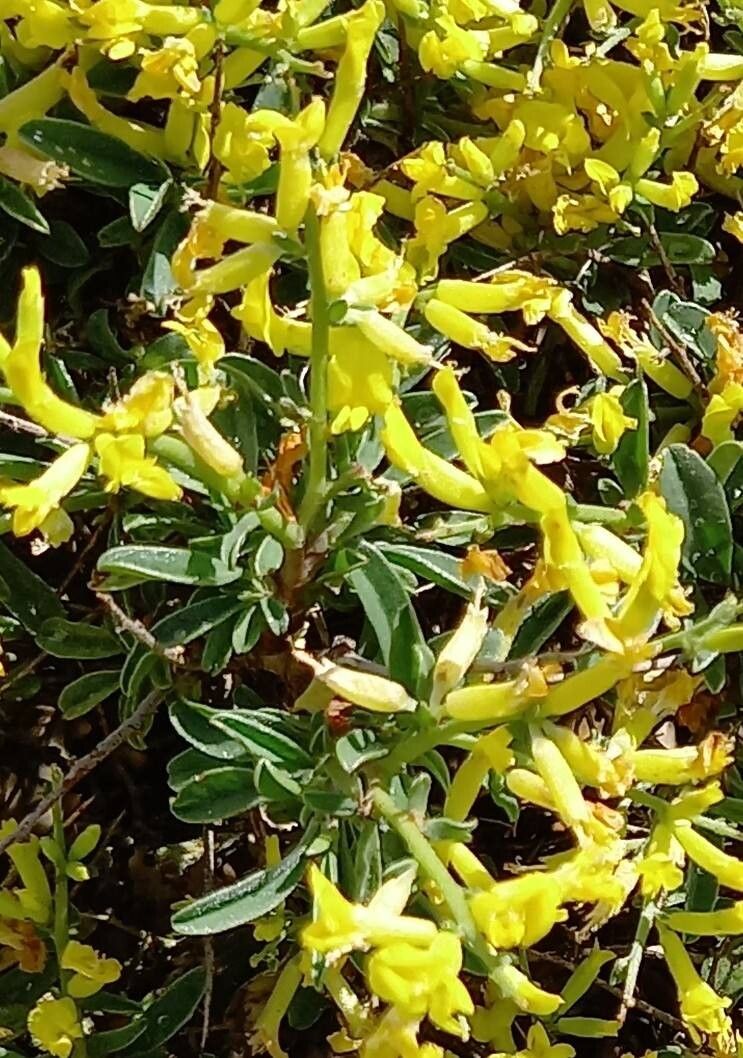
Propagating Anthyllis hermanniae: A Gardener’s Guide to the Coast Kidney Vetch
Introduction:
Anthyllis hermanniae, commonly known as Coast Kidney Vetch, is a charming low-growing shrub native to the Mediterranean region. Its silvery-grey foliage and vibrant yellow, pea-like flowers make it a highly desirable addition to rock gardens, coastal plantings, and naturalistic landscapes. Its drought tolerance and ability to thrive in poor soils add to its horticultural appeal. While not as commonly cultivated as some other flowering shrubs, its unique aesthetic and resilience have garnered a dedicated following among gardeners. Propagating Anthyllis hermanniae can be challenging, but the rewards for successfully establishing new plants are significant.
Seed Germination:
Seed germination for Anthyllis hermanniae is possible, but presents several challenges. The seeds often exhibit dormancy, requiring stratification to break this dormancy and encourage germination. Stratification involves mimicking the natural winter conditions the seeds would experience in their native habitat. This can be achieved by pre-treating the seeds by placing them in moist peat moss or vermiculite in a sealed bag and refrigerating them for 6-8 weeks at temperatures between 3-5°C (37-41°F). After stratification, sow seeds thinly onto a well-drained seed-starting mix, keeping the soil consistently moist but not waterlogged. Germination can be slow and irregular, taking several weeks or even months. The rewards, however, are numerous: successfully germinated seeds offer increased genetic diversity within a cultivation and open the possibility for large-scale propagation.
Cuttings:
Propagating Anthyllis hermanniae from semi-hardwood cuttings is a more reliable method than seed germination. Take cuttings in late summer or early autumn from non-flowering stems. Cuttings should be about 10-15cm long, with the lower leaves removed. Dip the cut ends in rooting hormone to stimulate root development. Plant the cuttings in a well-draining propagation mix, such as a mixture of perlite and peat moss and maintain high humidity (e.g., using a propagator or covering with a plastic bag). Rooting can take several weeks, and consistent moisture and warmth are crucial. While slower than seed germination for large-scale propagation, cuttings provide a more certain method of replicating desirable characteristics from a parent plant.
Division:
Division is a viable propagation method for established Anthyllis hermanniae plants. This is best undertaken in spring or autumn when the plant is actively growing or dormant. Carefully lift the entire plant, being mindful not to damage the root system and gently separate it into sections, each with a good number of roots and shoots. Replant the divisions immediately into well-drained soil, ensuring that they are spaced appropriately. While simpler than cuttings or seed propagation, division is limited by the availability of mature plants to divide. This approach is suited to personal gardens and small-scale increases.
Tissue Culture:
Currently, there are no widely published or readily accessible protocols for tissue culture propagation of Anthyllis hermanniae. While theoretically possible, this method requires specialized equipment, sterile conditions, and expertise in plant tissue culture techniques.
Conclusion:
Propagating Anthyllis hermanniae presents unique challenges, with seed germination offering the potential for genetic diversity but hampered by dormancy and slow germination rates. Cuttings provide a more reliable and easily accessible method, while division is a simple option for established plants. Tissue culture remains unexplored. Regardless of the chosen method, success requires patience, attention to detail, and careful observation. The satisfaction of cultivating this beautiful and resilient plant from a cutting, seed, or division is a reward in itself. The persistence required to overcome the difficulties inherent in propagation deepens the appreciation for this Mediterranean treasure. For aspiring propagators, starting with cuttings is recommended, providing a higher likelihood of success, encouraging further exploration into other methods as experience and confidence grow.