
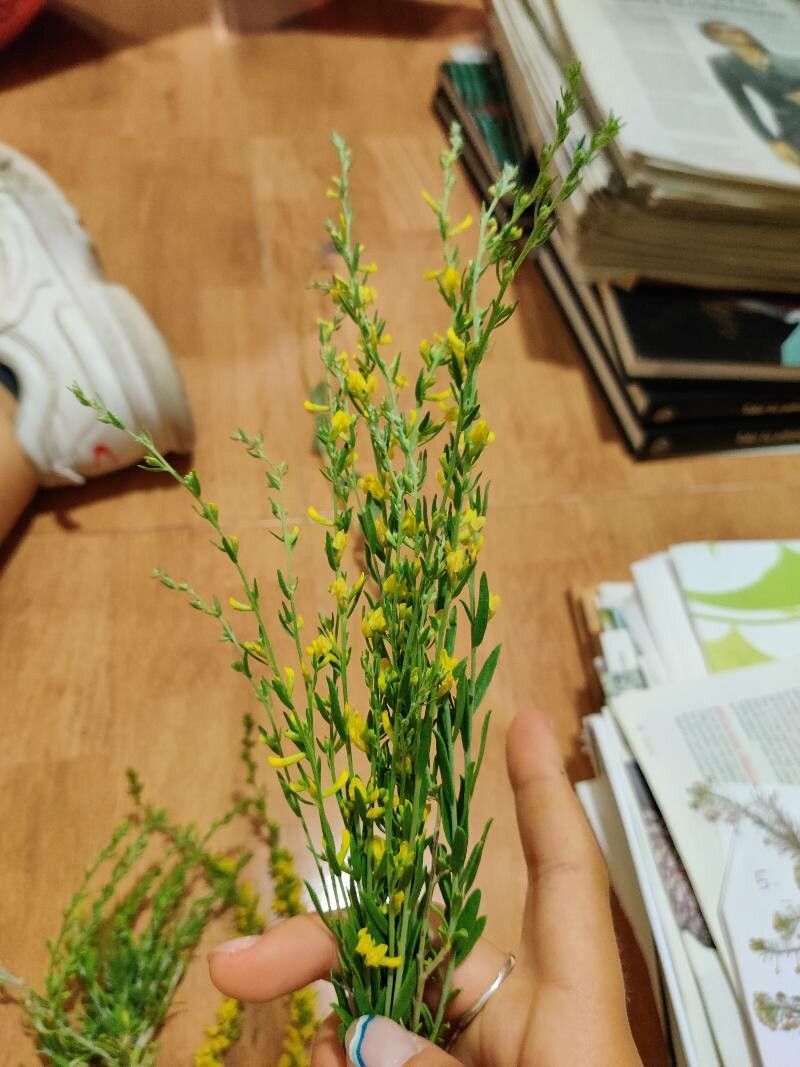
Propagating Anthyllis terniflora: A Gardener’s Guide to the Three-flowered Kidney Vetch
Anthyllis terniflora, commonly known as the three-flowered kidney vetch, is a charming and relatively uncommon plant prized for its delicate, pea-like flowers and attractive silvery foliage. Its trailing habit makes it ideal for rock gardens, ground cover, or spilling over walls. While not widely cultivated, its unique beauty and resilience make it a highly sought-after addition to specialist gardens. Its propagation, however, presents some interesting challenges, making successful cultivation all the more rewarding.
Seed Germination:
Currently, there are no known reliable methods for seed germination propagation of Anthyllis terniflora. While seeds may be produced, their dormancy and germination rates are reportedly very low, making this method impractical for the average gardener. Further research into specific pre-treatments may be needed to improve germination success.
Cuttings:
Cuttings offer a more viable method for propagating Anthyllis terniflora.
Challenges: Success with cuttings depends heavily on timing and technique. Hardwood cuttings taken in late autumn or early winter have shown some promise, but the success rate is not guaranteed. The plant’s somewhat woody nature can make rooting challenging.
Practical Tips: Semi-hardwood cuttings taken in early summer might also be attempted. Use a sharp, clean blade to take cuttings of about 8-10cm, removing lower leaves. Dip the cut ends in rooting hormone powder before planting them in a well-draining propagation mix (e.g., a blend of perlite and peat moss). Maintain high humidity using a propagator or plastic bag, and ensure consistent moisture without overwatering. Rooting may take several weeks or even months.
- Rewards: Successful rooting of cuttings offers a relatively quick way to increase the number of plants, maintaining the genetic traits of the parent plant. This method is particularly useful for propagating rare or prize cultivars.
Division:
Division is potentially the easiest and most reliable method for propagating Anthyllis terniflora.
Challenges: This method is only applicable to established, mature plants. Care must be taken to avoid damaging the root system during division.
Practical Tips: The best time for division is in spring or autumn, when the plant is actively growing or becoming dormant. Gently dig up the plant, carefully separating the root ball into smaller sections, ensuring each section has healthy roots and several shoots. Replant the divisions immediately, ensuring adequate spacing and watering.
- Rewards: Division allows for rapid increase of the plant population, relatively easy compared to other methods. It successfully replicates the parent plant’s genetics.
Tissue Culture:
Tissue culture offers the potential for large-scale propagation and the production of disease-free plants, however, this method is specialized and requires specific laboratory equipment and expertise.
Challenges: Establishing protocols for Anthyllis terniflora’s tissue culture propagation will require considerable research and experimentation. The development of appropriate growth media and sterilization procedures are essential.
Practical Tips: This method is not practical for home gardeners. It’s best left to professional nurseries or research institutions.
- Rewards: The rewards of tissue culture include the rapid production of a vast number of genetically identical plants, disease eradication, and the potential for micropropagation of rare or otherwise difficult-to-propagate cultivars.
Conclusion:
While seed germination isn’t currently viable for Anthyllis terniflora, propagation through cuttings and division offers attainable options for gardeners. Division appears the easiest method, ideal for those with established plants. Cuttings present a more challenging but rewarding experience, requiring patience and precision. Tissue culture represents a potential opportunity for large-scale propagation, though it requires specialized skills and facilities. The unique challenges involved in propagating this beautiful plant emphasize the profound satisfaction one derives from successfully nurturing these delicate plants from relatively small beginnings. For aspiring propagators, don’t be discouraged by initial setbacks. Persistence and careful observation will ultimately lead to success, enriching your garden with the captivating beauty of the three-flowered kidney vetch.