
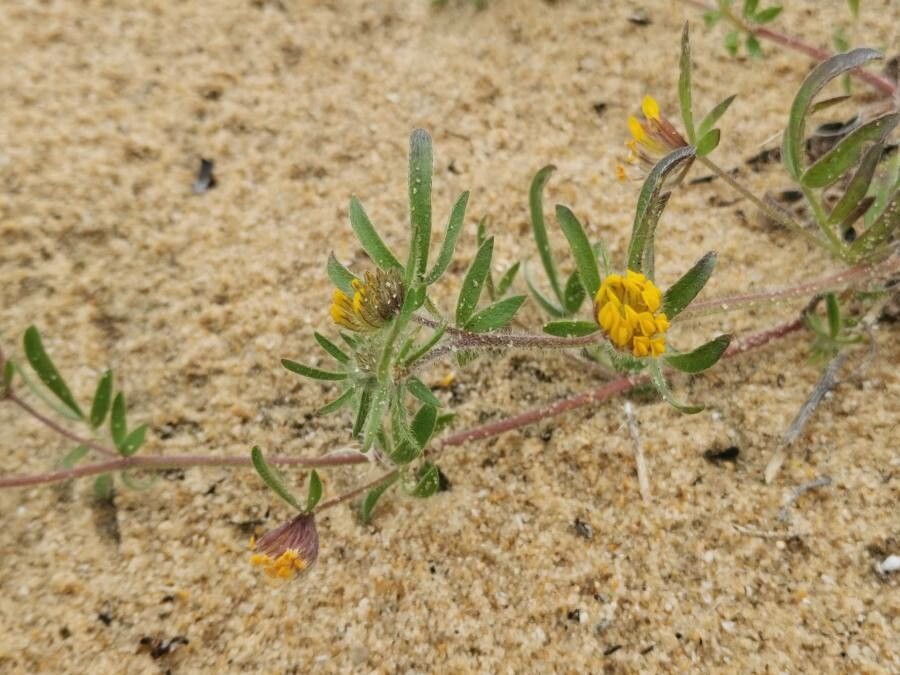
Propagating Anthyllis hamosa: A Gardener’s Guide to the Kidney Vetch
Anthyllis hamosa, commonly known as the hooked kidney vetch, is a charming, low-growing shrublet prized for its silvery-grey foliage and vibrant yellow pea-like flowers. Native to the Mediterranean region, this drought-tolerant plant enjoys a growing popularity among gardeners seeking hardy, low-maintenance additions to rock gardens, borders, or even as ground cover. Its unique ability to thrive in poor, well-drained soils adds to its allure, but its propagation presents some unique challenges.
Seed Germination:
Currently, there are no known reliable methods for seed germination propagation of Anthyllis hamosa. While seeds may be produced, their germination rates are notoriously low, and successful germination has not been consistently documented in horticultural literature. Further research into specific germination requirements, including potential stratification needs (cold treatment to mimic winter conditions), may be worthwhile.
Cuttings:
Cuttings offer a more reliable method of propagation for Anthyllis hamosa.
Challenges: Successful rooting requires care and attention to detail. The woody nature of the stems can make rooting difficult. Overwatering or insufficient ventilation can lead to rot.
Practical Tips: Semi-hardwood cuttings taken in late summer or early autumn show the best results. Use a sharp, clean knife or shears to take 4-6 inch cuttings, removing lower leaves to prevent rot. Dip the cut ends in rooting hormone powder. Plant cuttings in a well-draining propagation mix (e.g., a mix of perlite and peat moss) and maintain high humidity by covering with a clear plastic dome or bag. Ensure adequate airflow to prevent fungal diseases. Rooting can take several weeks or months.
Rewards: Cuttings provide a quick and reliable way to obtain genetically identical plants to the mother plant, preserving desirable traits.
Division:
Division is another feasible method, though less practical for large-scale propagation.
Challenges: Anthyllis hamosa forms a relatively compact root system, limiting the number of divisions that can be made from a single plant. Care must be taken during division to avoid damaging the roots, which can hinder establishment.
Practical Tips: Division is best undertaken in spring or autumn when the plant is actively growing or dormant. Dig up the entire plant, carefully separate it into smaller sections, ensuring each division has a healthy root system. Replant the divisions immediately in well-prepared soil. Gently water in and provide some shade until established.
Rewards: Division is a relatively simple method, offering a quick increase in plant numbers from established, mature specimens.
Tissue Culture:
Tissue culture is a potentially more advanced method, potentially overcoming some of the challenges in seed germination and cuttings propagation.
Challenges: Establishing an effective tissue culture protocol for Anthyllis hamosa necessitates specialized equipment, a sterile environment, and expertise in plant tissue culture techniques. This is a significantly more complex and expensive method than either cuttings or division.
Practical Tips: Research into suitable media, growth regulators (plant hormones), and sterilization techniques is essential. Consult expert horticulturalists or research publications specific to tissue culture propagation.
Rewards: Tissue culture allows for large-scale propagation of genetically identical plants, ensuring consistent quality and potentially providing the opportunity to mass produce this plant for wider distribution.
Conclusion:
While Anthyllis hamosa propagation presents challenges, particularly with seed germination, successful cultivation through cuttings or division is achievable with patience and the right techniques. Tissue culture holds potential for large-scale production, but requires more specialized knowledge and resources. The rewards – establishing a thriving patch of this beautiful plant in your garden – are well worth the effort. The satisfaction derived from propagating Anthyllis hamosa, overcoming initial hurdles to see these silvery-grey shrubs flourish, is a testament to the perseverance and dedication of the gardener. So, embrace the challenges, and enjoy the journey of nurturing this unique Mediterranean jewel in your own garden.