
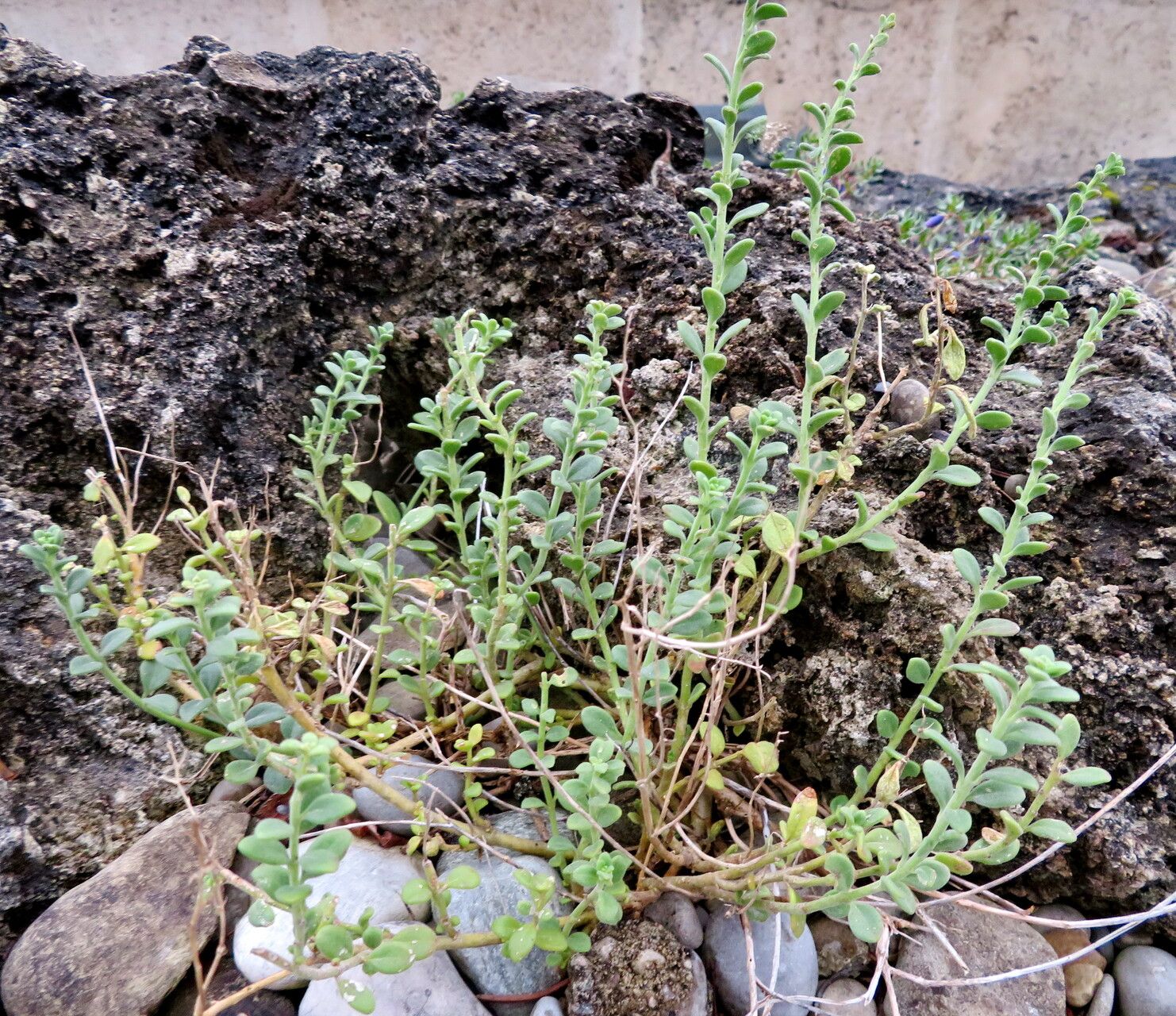
Propagating Antirrhinum valentinum: A Gardener’s Challenge
Antirrhinum valentinum, commonly known as the Valentian Snapdragon, is a captivating member of the Plantaginaceae family. This drought-tolerant perennial, native to the Iberian Peninsula, boasts striking, deep pink to purplish-red flowers and thrives in rocky, well-drained soils. Its unique beauty and resilience have earned it a place in the hearts of many gardeners, though its propagation presents several challenges. This article explores the various methods available, outlining their feasibility and offering practical advice.
Seed Germination:
Currently, there are no known reliable methods for seed germination propagation of Antirrhinum valentinum. While the genus Antirrhinum generally propagates via seed, A. valentinum seems to be recalcitrant to this method. Further research into specific germination requirements, including potential stratification techniques or hormonal treatments, is needed.
Cuttings:
Cuttings offer a more promising avenue for propagating Antirrhinum valentinum.
Challenges: Rooting success can be variable. The plant’s tough, woody stems can be difficult to root, and the timing of cuttings is crucial.
Practical Tips: Semi-hardwood cuttings taken in late summer or early autumn, using a rooting hormone, and placed in a well-draining propagation mix under mist or high humidity, show the best chance of success. It’s essential to maintain a consistently moist (but not waterlogged) environment.
Rewards: Cuttings provide a reliable method for preserving desirable genetic traits from a parent plant. This also allows for relatively rapid propagation compared to other methods.
Division:
Division is a viable method, particularly for established plants.
Challenges: Antirrhinum valentinum doesn’t readily form easily divisible clumps like some other perennials. Care must be taken to avoid damaging the roots during separation.
Practical Tips: Division is best attempted in spring or autumn, after the plant has finished flowering or before new growth commences. Ensure each division has a healthy root system and several shoots. Planting the divisions in well-prepared, well-drained soil is crucial.
Rewards: Division offers a relatively simple method for increasing the number of plants, especially if the parent plant is already well-established.
Tissue Culture:
Tissue culture presents a potential solution for large-scale propagation of Antirrhinum valentinum, though it necessitates specialized equipment and expertise.
Challenges: Developing a reliable protocol for A. valentinum would require significant research and experimentation. Sterility and contamination control are paramount in tissue culture.
Practical Tips: Employing modern sterile tissue culturing techniques, including the selection of appropriate media and plant growth regulators, is essential. This method can become expensive and time-consuming.
Rewards: Tissue culture enables mass propagation of genetically uniform plants, which are invaluable for commercial purposes or conservation efforts.
Conclusion:
Propagating Antirrhinum valentinum, while challenging, isn’t impossible. Cuttings and division offer reasonable pathways for most gardeners, with cuttings offering a higher potential for generating multiple plants from a single mature specimen. Success in any method hinges on a thorough understanding of the plant’s requirements and meticulous attention to detail. The rewarding aspect of cultivating this unique snapdragon lies not just in its final beauty but in overcoming the obstacles involved in its propagation. The sense of accomplishment in successfully nurturing a Valentian Snapdragon from a cutting or division, especially considering its inherent propagation challenges, is deeply satisfying. Whether you choose cuttings, division, or explore the more advanced field of tissue culture, your persistence will be amply rewarded by the unique charm of this exceptional plant.