
Propagating the Zebra Plant: A Guide to Cultivating Aphelandra speciosa
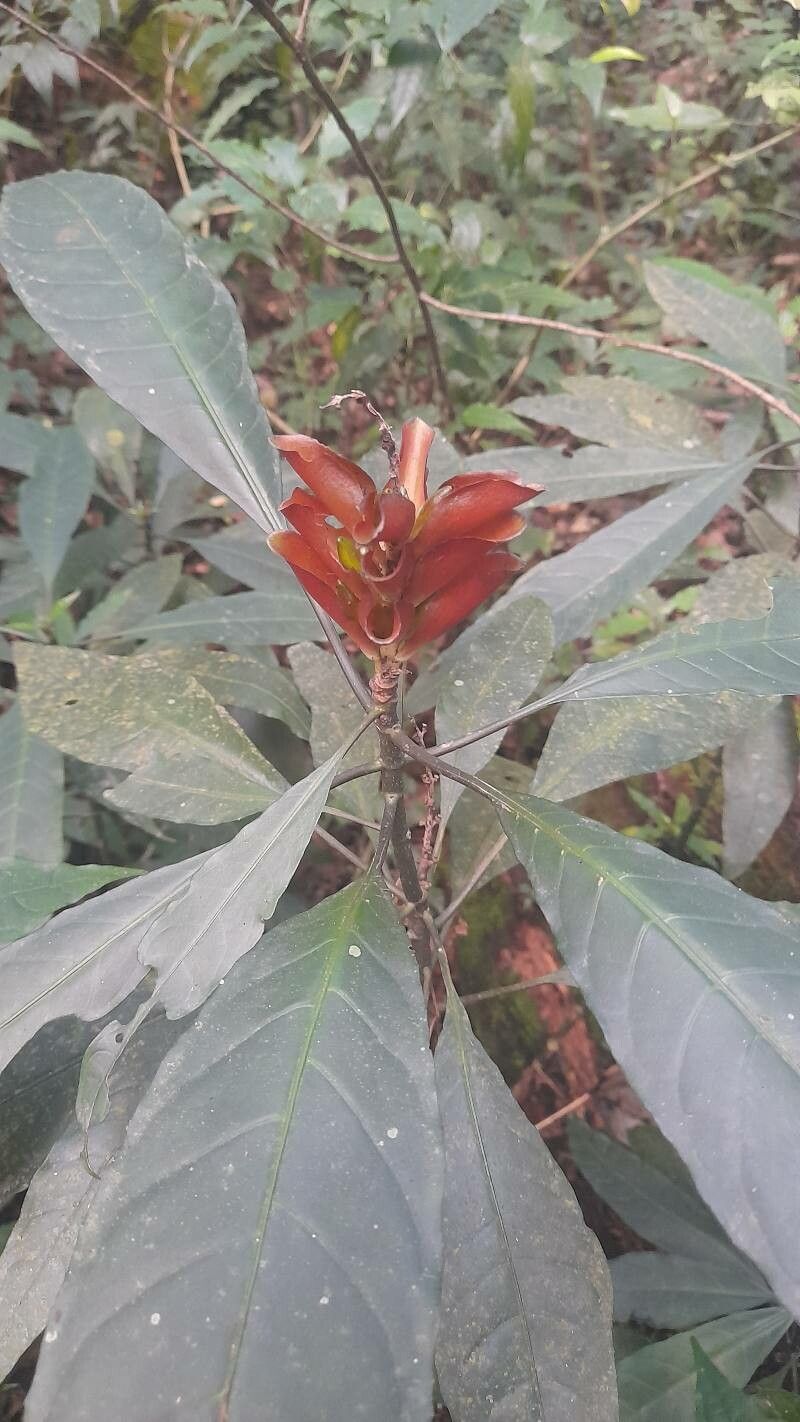
Aphelandra speciosa, commonly known as the Zebra Plant, is a prized houseplant admired for its striking foliage. Its large, ovate leaves are adorned with prominent, creamy-white veins that resemble zebra stripes, lending it its common name. The plant also produces vibrant bracts, often yellow or orange, adding another layer of visual appeal. This makes it a highly sought-after addition to many gardeners’ collections, but acquiring new plants can be challenging. Propagation offers a rewarding solution, though it requires patience and precision. The unique combination of its striking appearance and the relative difficulty of propagation contributes to the special satisfaction of successfully cultivating it.
Seed Germination:
Currently, there are no known reliable methods for seed germination propagation of Aphelandra speciosa. While Aphelandra plants do produce seeds, germination rates are notoriously low and inconsistent, making this method impractical for most home gardeners.
Cuttings:
This is the most commonly used and reliable method for propagating Aphelandra speciosa.
Challenges: The main challenge lies in preventing rot. Aphelandra speciosa cuttings are susceptible to fungal diseases if not handled carefully.
Practical Tips: Take stem cuttings, ideally 4-6 inches long, from healthy, actively growing shoots in spring or early summer. Remove lower leaves to prevent rot and dip the cut ends in rooting hormone. Plant the cuttings in a well-draining propagation mix (e.g., a blend of perlite and peat moss) and cover them with a humidity dome or plastic bag to maintain high humidity levels. Keep the cutting mix consistently moist, but not soggy. Place in bright, indirect light.
Rewards: This method offers a high success rate if done properly, resulting in genetically identical plants to the parent plant. It’s also relatively straightforward and inexpensive.
Division:
This method is feasible for established, mature plants.
Challenges: Overly aggressive division can damage the root system, potentially killing the plant. Carefully dividing the root ball is crucial.
Practical Tips: Divide the plant in spring or early summer when it’s actively growing. Gently remove the plant from its pot and carefully separate the root ball into several sections, ensuring each division has healthy roots and several stems. Repot each division in fresh, well-draining potting mix.
Rewards: Division provides a relatively quick way to multiply healthy plants, maintaining the genetic characteristics of the parent plant.
Tissue Culture:
This is a more advanced technique typically used in nurseries or laboratories for large-scale production.
Challenges: This method requires specialized skills, equipment, and a sterile environment to prevent contamination. It’s also relatively expensive.
Practical Tips: This method involves growing plants from small pieces of plant tissue in a sterile nutrient medium. Successful tissue culture requires specialized knowledge and a controlled environment.
Rewards: This is exceptionally efficient for producing large numbers of genetically identical plants. It allows for the rapid multiplication of rare or desirable cultivars.
Conclusion:
Propagating Aphelandra speciosa presents unique challenges depending on the chosen method. While seed propagation is largely unreliable, cuttings offer the most practical approach for home gardeners. Division is viable for larger, established plants, while tissue culture is best suited for large-scale propagation. Each method requires patience, attention to detail, and a keen understanding of the plant’s needs to achieve success. However, the satisfaction of nurturing a cutting into a thriving, vibrantly striped Zebra plant or successfully dividing a mature specimen far outweighs the effort. Don’t be discouraged by initial setbacks – with a little practice and persistence, even the most novice propagator can experience the joy of cultivating this captivating plant.