
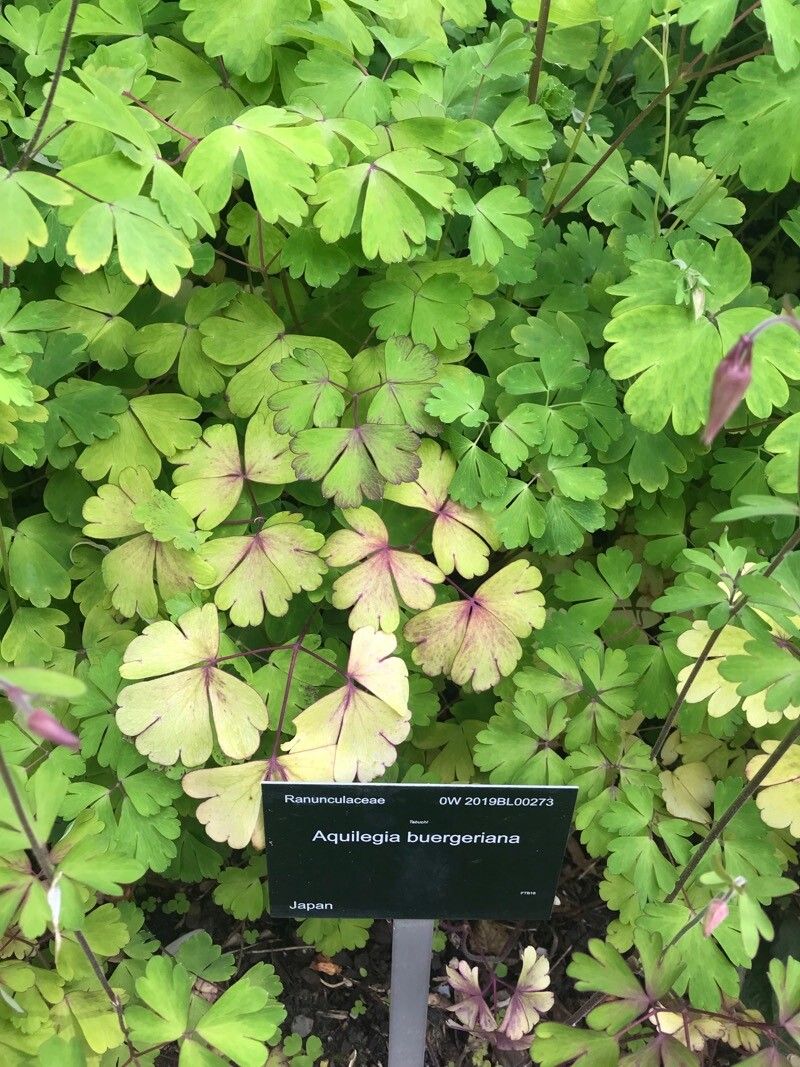
Propagating Aquilegia buergeriana: A Gardener’s Guide to the Japanese Columbine
Introduction:
Aquilegia buergeriana, commonly known as the Japanese Columbine, is a captivating perennial prized for its delicate, spurred blooms and finely dissected foliage. Its vibrant colors, ranging from purples and blues to whites and pinks, and relatively compact habit make it a popular choice among gardeners seeking to add a touch of elegance to their borders or rock gardens. Unlike some columbines, A. buergeriana boasts exceptional heat tolerance, extending its appeal to a wider range of climates. While relatively easy to grow from seed, its propagation through other methods presents unique challenges and rewards.
Seed Germination:
Seed germination is a viable method for propagating Aquilegia buergeriana. However, it presents some challenges. The seeds are notoriously small and can be slow to germinate.
Challenges: Seeds require a period of cold stratification to break dormancy. Furthermore, fungal diseases can be a problem, particularly in damp conditions.
Practical Tips: Sow seeds outdoors in autumn, allowing nature to handle the stratification process. Alternatively, stratify seeds artificially by mixing them with moist vermiculite or peat moss and storing them in a refrigerator for 6-8 weeks at temperatures just above freezing (around 3-5°C). Sow the stratified seeds in a well-drained seed tray filled with a seed-starting mix. Keep the mix consistently moist but not waterlogged. Gentle bottom watering is recommended to avoid fungal growth. Maintain a cool, bright location, avoiding direct sunlight. Germination can take several weeks or even months.
Rewards: Germinating seeds from A. buergeriana offers the greatest potential for genetic diversity, leading to a wider range of variations within a single population. This method is also suitable for large-scale propagation, ideal for nurseries or those aiming to establish a sizable colony.
Cuttings:
Currently, there are no known reliable methods for propagating Aquilegia buergeriana from cuttings. Columbines generally do not root easily from stem or softwood cuttings.
Division:
Division is a relatively straightforward method for propagating Aquilegia buergeriana.
Challenges: The best time for division is in early spring or autumn, after flowering. Dividing mature clumps too aggressively can stress the plant and reduce its chances of survival.
Practical Tips: Carefully lift the entire clump, gently tease apart the roots to separate into smaller divisions, each with several healthy shoots and roots. Replant the divisions in well-prepared soil. Ensure adequate watering until established.
Rewards: Division is a quick and relatively reliable method for increasing your existing stock of Aquilegia buergeriana. It maintains the exact genetic characteristics of the parent plant.
Tissue Culture:
Tissue culture is a potentially viable method for large-scale propagation of Aquilegia buergeriana, though it is sophisticated and requires specialized equipment and expertise.
Challenges: Establishing sterile conditions and selecting appropriate media and hormones are crucial and necessitate a laboratory setting. The process can be technically complex and expensive.
Practical Tips: This is best left to specialist nurseries or institutions with tissue culture facilities.
Rewards: Tissue culture offers the potential to rapidly multiply plants, ensuring consistency and disease-free stock. It is particularly advantageous for preserving rare cultivars.
Conclusion:
Propagating Aquilegia buergeriana offers its own set of challenges and rewards, depending on the chosen method. While seed germination offers genetic diversity but requires patience, division presents a reliable but slower approach, maintaining the parent plant’s unique traits. Unfortunately, methods like cuttings have proved unreliable. Tissue culture holds the promise of large-scale propagation, yet demands significant resources and technical knowledge.
The satisfaction of successfully propagating this beautiful plant, especially through the patience-testing process of seed germination, is deeply rewarding. The delicate blooms that eventually emerge justify the effort invested. Don’t be discouraged by setbacks; remember perseverance and attention to detail are key to success. So, embrace the challenge and enjoy the journey of cultivating these charming Japanese Columbines.