
Propagating the Nevada Columbine (Aquilegia nevadensis): A Gardener’s Challenge
Introduction:
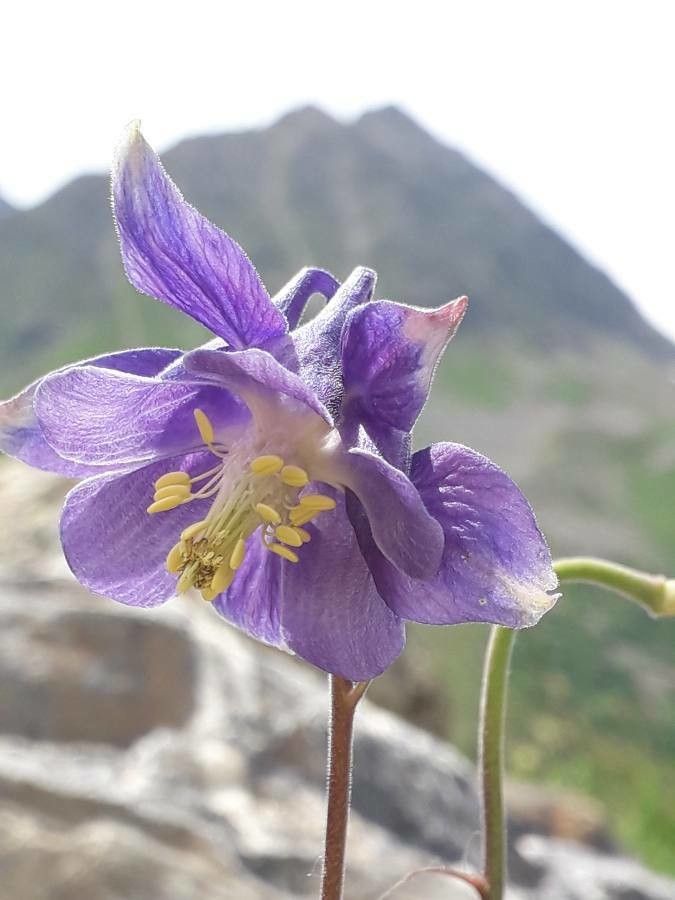
Aquilegia nevadensis, commonly known as the Nevada Columbine, is a captivating alpine plant endemic to the high-elevation habitats of the Nevada, USA. Its delicate, bell-shaped flowers, often displaying a pale blue or lavender hue, are prized by gardeners for their ethereal beauty and their ability to thrive in challenging, well-drained soils. While its rarity in cultivation adds to its appeal, propagating this species presents unique challenges. Understanding its specific needs is crucial for successful propagation. Unlike some more common Aquilegia species, its propagation isn’t straightforward. The limited availability of this species encourages gardeners to find reliable propagation methods.
Seed Germination:
Seed germination is a viable, albeit challenging, method for propagating Aquilegia nevadensis. The primary challenge lies in the seeds’ dormancy requirements. Freshly collected seeds often require cold stratification – a period of cold, moist storage – to break dormancy and stimulate germination.
Challenges: Low germination rates are common even with stratification. Precise temperature and moisture control are critical during the stratification period and subsequent germination. Seed predation by insects or fungal diseases can also severely impact success.
Practical Tips: Collect seeds as soon as they mature but before they are dispersed by wind. Stratify seeds for 8-12 weeks at temperatures between 33-40°F (0-4°C) in a moist medium like vermiculite or peat moss. Sow seeds thinly on the surface of a well-draining seed starting mix, keeping the soil consistently moist, but not waterlogged, and maintain cool temperatures post-stratification.
Rewards: Seed propagation allows for the generation of genetic diversity within a population, which is crucial for long-term conservation and adaptability in a changing environment. It also offers the potential for larger scale propagation compared to other methods.
Cuttings:
Currently, there are no known reliable methods for propagating Aquilegia nevadensis from cuttings. The plant’s physiology likely limits its ability to readily root from stem or leaf cuttings.
Division:
Division is generally not recommended for Aquilegia nevadensis. The plant forms a relatively small, compact root system, and attempts at division can easily damage or kill the plant. This method is therefore not a viable propagation technique.
Tissue Culture:
While tissue culture techniques are used successfully for propagating other Aquilegia species, research into the specific requirements for Aquilegia nevadensis tissue culture is limited. Given the plant’s specific habitat conditions and potentially delicate nature, developing a successful protocol would require specialized expertise and significant experimentation. It remains a potentially viable approach in the future, but it’s currently not a readily available or accessible option for home propagators.
Conclusion:
Propagating Aquilegia nevadensis presents significant challenges, with seed germination representing the only currently viable, though difficult, method. The low germination rates and the need for precise environmental control highlight the need for patience and skill. While cuttings and division are unsuitable, tissue culture remains a potential avenue for future research and development.
The unique satisfaction derived from successfully cultivating this rare and beautiful plant is directly proportional to the challenges faced. The delicate beauty of the Nevada Columbine rewards the dedicated gardener with a sense of accomplishment hard-earned through careful observation, skill, and persistence. For aspiring propagators, perseverance is key. Start with fresh seeds, follow the stratification guidelines diligently, and be prepared for some setbacks. The successful emergence of a single seedling is a testament to your efforts and a promising start to your own miniature alpine garden.