
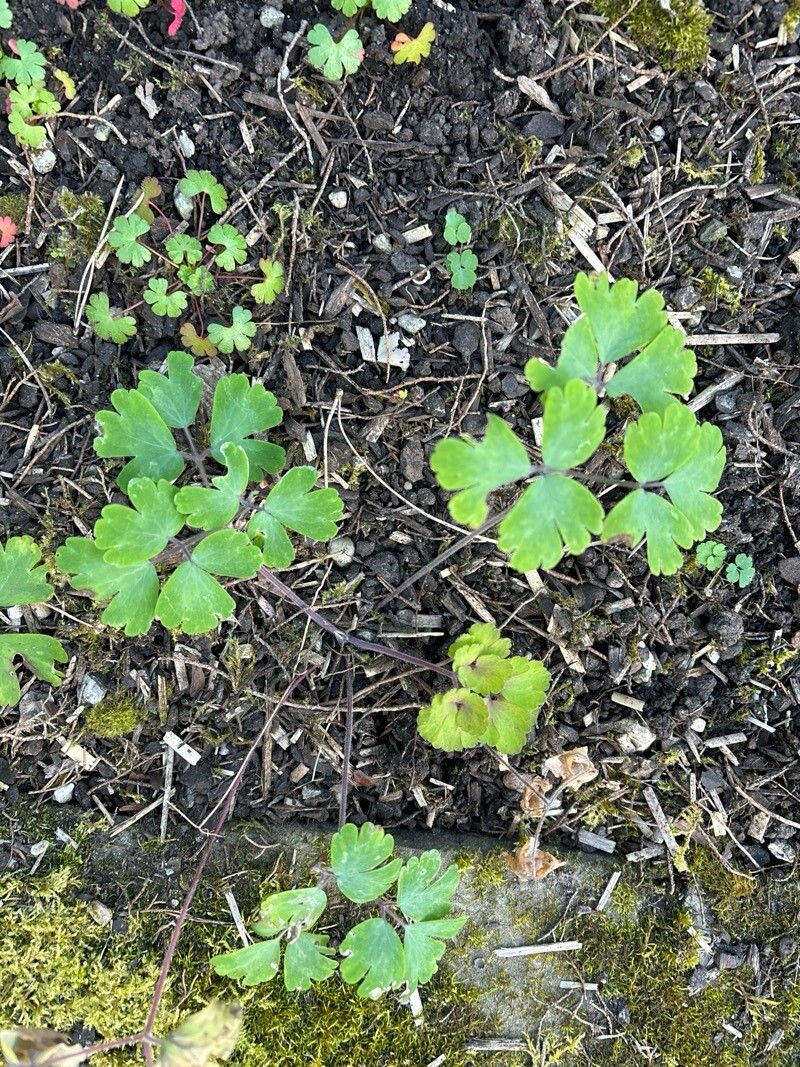
Propagating the Sweet Fragrance: A Guide to Cultivating Aquilegia fragrans
Aquilegia fragrans, commonly known as the sweet columbine, is a captivating alpine plant prized for its delicate, bell-shaped flowers and delightfully sweet fragrance, unlike many of its more pungent Aquilegia cousins. Its relatively compact habit and tolerance of dry conditions once established, coupled with its charming blossoms, make it a highly desirable addition to rock gardens, alpine troughs, and even containers. However, propagating this species presents unique challenges, requiring a thoughtful approach depending on the chosen method.
Seed Germination:
Seed germination for Aquilegia fragrans is viable, albeit challenging. The primary hurdle lies in the seeds’ often-slow and erratic germination rates. Freshly collected seeds are recommended for the highest success rate. The presence of a hard seed coat necessitates cold stratification. This process mimics the natural winter conditions necessary to break dormancy.
Challenges: Low and inconsistent germination rates; requires precise stratification.
Practical Tips: Sow seeds outdoors in autumn for natural stratification, or provide artificial stratification by mixing seeds with moist vermiculite and storing them in a refrigerator at 4°C (39°F) for 6-8 weeks prior to sowing. Sow thinly onto a well-drained seed compost, covering lightly. Keep the compost moist but not waterlogged. Germination may take several weeks to several months.
Rewards: High genetic diversity leading to potentially unique plant variations; cost-effective method for large-scale propagation.
Cuttings:
Currently, there are no known reliable methods for propagation of Aquilegia fragrans via cuttings. The plant’s physiology does not readily lend itself to this technique.
Division:
Division is a viable but less frequently used method for propagating Aquilegia fragrans. Established plants can be carefully divided in spring or autumn, ensuring each division retains healthy roots and sufficient foliage.
Challenges: Requires a mature, well-established plant; risk of damaging the plant during division; limited propagation potential compared to seed.
Practical Tips: Dig up the plant carefully, gently separating the root crown into smaller clumps with a sharp, clean knife or spade. Replant the divisions immediately, ensuring adequate spacing. Water thoroughly after planting.
Rewards: Relatively straightforward method offering a quick way to increase plant numbers from existing plants; produces plants that are genetically identical to the mother plant.
Tissue Culture:
Tissue culture propagation, while theoretically possible, is rarely employed for Aquilegia fragrans due to the specialized equipment and sterile environment required. This method is typically only undertaken by professionals or research institutions.
Challenges: Requires specialized equipment, sterile conditions, and expertise; high initial cost and complex procedure.
Practical Tips: This method is beyond the scope of the average gardener.
Rewards: Can generate large numbers of genetically identical plants quickly; offers potential for disease-free stock.
Conclusion:
Propagating Aquilegia fragrans presents a unique set of challenges, the most successful methods being seed germination (with cold stratification) and division. While tissue culture offers potential for large-scale propagation, the practical hurdles are significant for the home grower. The relatively low germination rate of seeds and the need for patient care during propagation are not to be overlooked. However, the reward of successfully cultivating this fragrant alpine treasure, by overcoming these propagation hurdles, is truly satisfying, fostering a stronger connection with the natural world. Don’t be discouraged by initial setbacks; keep learning, experimenting, and enjoy the journey of nurturing this exquisite plant. Remember patience is key, and every successful propagation is a victory worth celebrating.