
Propagating Arabis auriculata: A Gardener’s Guide
Introduction
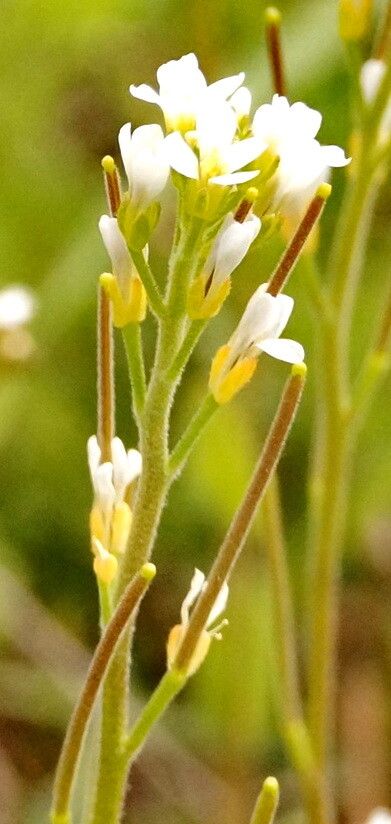
Arabis auriculata, commonly known as ear-leaved rockcress, is a charming, low-growing perennial prized for its profusion of delicate, four-petalled flowers, typically white or pale pink. Its cascading habit and tolerance of poor, well-drained soils make it a highly sought-after groundcover for rock gardens, walls, and slopes. This adaptability contributes to its popularity among gardeners, however, propagating Arabis auriculata can present unique challenges. While several methods exist, success often depends on meticulous attention to detail.
Seed Germination
Seed germination for Arabis auriculata is possible but often unreliable. While some seeds may germinate readily, germination rates are typically low and unpredictable. The main challenge is the seed’s need for stratification—a period of cold, moist treatment to mimic winter conditions before germination.
Challenges: Low germination rates, inconsistent results, and the possibility of genetic variation leading to plants that differ slightly from the mother plant.
Practical Tips: Sow seeds outdoors in autumn directly into well-drained soil. Alternatively, collect seeds in late summer/early autumn and stratify them for 6-8 weeks in a refrigerator (moistened vermiculite or peat moss at 3-5°C) before sowing indoors in spring. Use a well-draining seed-starting mix and maintain consistent moisture without overwatering.
Rewards: Achieving successful seed germination offers the potential for developing a large number of plants at relatively low cost. It also allows for genetic diversity within your garden.
Cuttings
Propagating Arabis auriculata via cuttings is a more reliable method than seed germination. Softwood cuttings (taken from new growth in spring) or semi-hardwood cuttings (taken from slightly older growth in early summer) are both viable options.
Challenges: Maintaining the correct moisture levels to prevent rotting while simultaneously ensuring sufficient humidity to promote root development can be tricky. The success rate may not be 100%, and cuttings may take several weeks to root.
Practical Tips: Use a sharp knife or shears to take cuttings 5-10cm long. Remove lower leaves and dip the cut ends in rooting hormone before planting them in a moist, well-draining potting mix. Provide a humid environment, possibly using a plastic bag or cloche to retain moisture. Keep the cuttings in bright, indirect light.
Rewards: Cuttings offer a high likelihood of producing true-to-type plants that are genetically identical to the parent plant. This ensures continuity of desired traits.
Division
Division of established plants is the easiest and most reliable method of propagating Arabis auriculata.
Challenges: Dividing the plant too early or too late can weaken it. Damage to the roots can also hinder success.
Practical Tips: Divide mature plants in spring or autumn. Carefully lift the plant from the ground and gently separate the crown into several smaller sections, each with its own roots and shoots. Replant the divisions immediately into well-prepared soil.
Rewards: Division is a quick and high-success-rate method to increase the number of plants. It is less technically demanding than other methods and involves minimal specialized equipment.
Tissue Culture
Tissue culture propagation is a highly specialized technique generally not feasible for home gardeners.
Challenges: Requires sterile conditions, specialized equipment, and considerable technical expertise.
Practical Tips: This method is best left to professional plant propagation nurseries.
Rewards: Allows for mass production of genetically identical plants and elimination of diseases.
Conclusion
Propagating Arabis auriculata presents unique challenges, depending on the chosen method. Seed propagation offers potential for diversity but low success rates. Cuttings offer higher success with true-to-type reproduction. Division stands out as the simplest and most reliable method for the home gardener. The satisfaction derived from successfully propagating this beautiful plant, however achieved, is well worth the effort. Whether you choose the slightly unpredictable charm of seed germination, the dependable results of cuttings, or the ease of division, the persistence and careful attention needed will culminate in a rewarding experience, adding to the joy of nurturing and cultivating this delightful groundcover. Remember, even experienced propagators sometimes experience setbacks; don’t be discouraged if your first attempt isn’t perfect – keep trying, and you’ll eventually master the art of growing more of these captivating plants.