
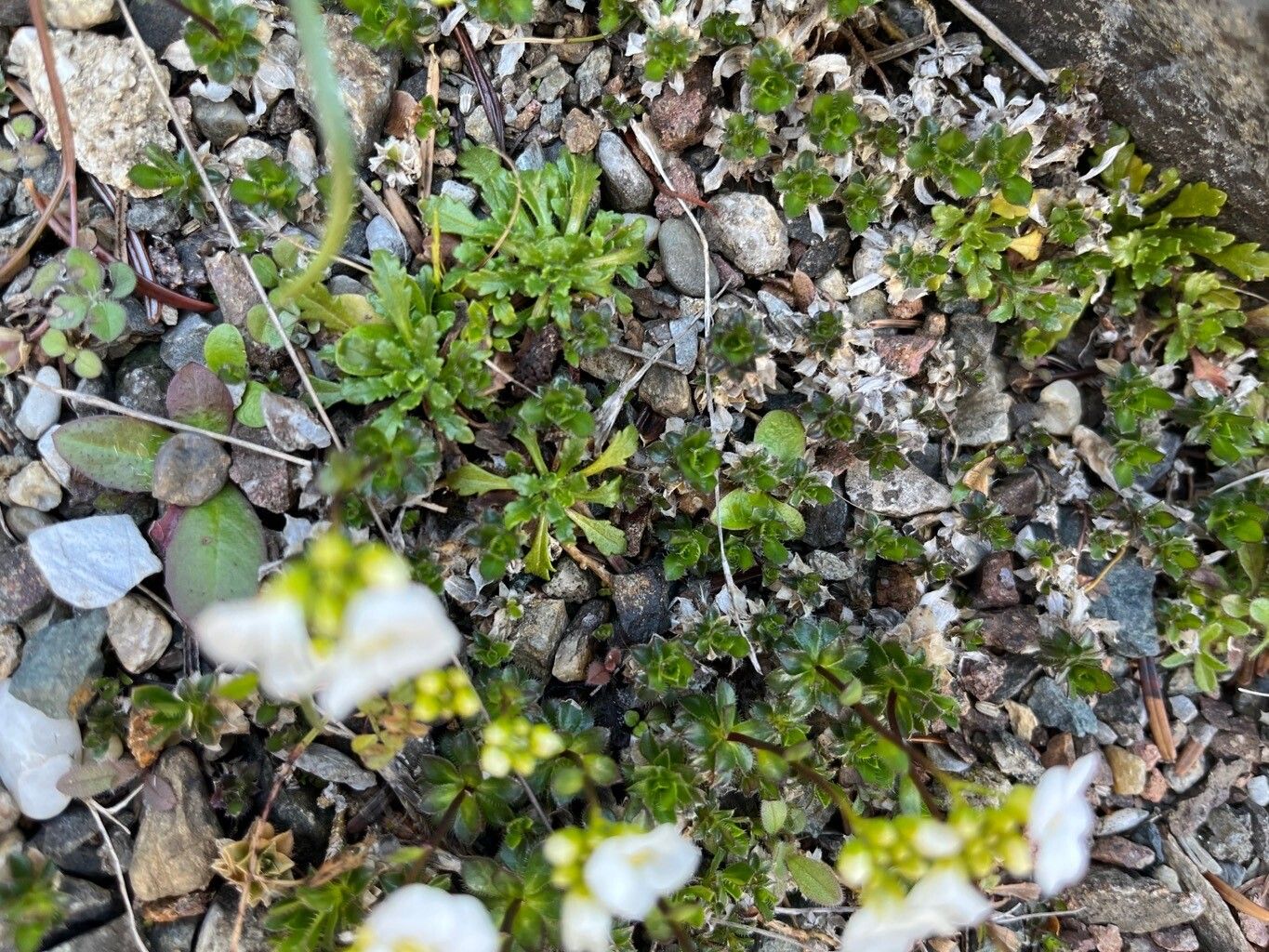
Propagating Arabis scopoliana: A Gardener’s Guide to a Resilient Rock Garden Gem
Arabis scopoliana, also known as the Scopoli’s rockcress, is a charming alpine perennial prized for its low-growing habit, attractive foliage, and delicate, often white or pale pink, flowers. Its adaptability to rocky, well-drained soils makes it a popular choice for rock gardens, crevices, and even hanging baskets. Its ability to form dense mats of foliage also makes it a valuable groundcover plant. However, despite its popularity, propagating Arabis scopoliana can present certain challenges. This article explores various propagation methods, detailing their efficacy and potential difficulties.
Seed Germination:
Currently, there are no known reliable methods for seed germination propagation of Arabis scopoliana. While the plant produces seed, germination rates are notoriously low and unpredictable under typical horticultural conditions. This is likely due to a combination of factors, including hard seed coats and specific environmental requirements for successful germination that haven’t been fully elucidated. Further research into specific stratification techniques and germination media may be necessary to establish reliable seed propagation.
Cuttings:
Cuttings offer a more reliable method for propagating Arabis scopoliana.
Challenges: Successful rooting requires the use of fresh, actively growing stem cuttings taken in spring or early summer. Overly woody stems are much less likely to root. Maintaining appropriate moisture levels without causing rot is crucial.
Practical Tips: Take 4-6 cm long cuttings, removing lower leaves to prevent rot. Dip the cut ends in rooting hormone before planting in a well-draining, moist propagation mix (e.g., a mix of perlite and peat moss). Cover the cuttings with a plastic humidity dome or plastic bag to maintain high humidity. Keep the cuttings in bright, indirect light and maintain consistent moisture.
Rewards: Cuttings offer a relatively quick way to generate genetically identical offspring, preserving desirable traits of the mother plant. It’s a suitable method for small-scale propagation.
Division:
Division is arguably the easiest and most successful method for propagating Arabis scopoliana.
Challenges: Division is best undertaken in spring or autumn when the plant is actively growing or entering dormancy. Care must be taken to avoid damaging the root system during the process. Each division should possess sufficient roots and shoots to ensure survival.
Practical Tips: Carefully lift the mature plant from the ground, gently teasing apart the root clump into smaller sections, ensuring each section has robust roots and several shoots. Replant the divisions immediately, maintaining the same depth as the original plant. Water thoroughly to help establish the new plants.
Rewards: Division offers a relatively quick and reliable propagation method, producing multiple plants from a single parent. It is less technically challenging than cuttings or tissue culture.
Tissue Culture:
Tissue culture offers the potential for large-scale propagation and disease-free plants.
Challenges: Tissue culture requires specialized equipment, aseptic techniques, and a detailed understanding of plant tissue culture protocols. Establishing suitable growth media and finding the right hormonal balance can be challenging and requires precise experimentation.
Practical Tips: This method is typically handled by commercial nurseries specializing in plant propagation.
Rewards: Tissue culture offers high multiplication rates, producing many plants rapidly from a limited amount of source material. This method allows for the production of disease-free plants and the preservation of rare genotypes.
Conclusion:
Propagating Arabis scopoliana presents varying degrees of challenges depending on the chosen method. While seed propagation remains largely unsuccessful, cuttings offer a relatively straightforward approach, although it requires attention to detail. Division is the most convenient and reliable method for most gardeners, particularly for small-scale propagation. Tissue culture offers significant potential for large-scale production but demands specialized expertise. The unique satisfaction of successfully nurturing these resilient plants, overcoming the obstacles involved, ultimately repays the effort many times over with beautiful blooms and a thriving rock garden. To aspiring propagators, we encourage patience, experimentation, and a spirit of perseverance – the rewards of a successfully propagated Arabis scopoliana are well worth the effort.