
Unveiling the Secrets: How to Propagate the Delicate Beauty of Scutellaria nervosa
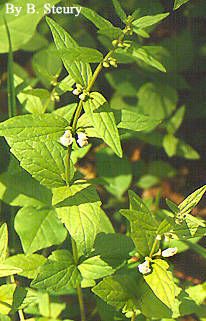
Scutellaria nervosa, commonly known as Veined Skullcap, is a charming wildflower native to the eastern United States. With its delicate blue blooms and heart-shaped leaves, it adds a touch of ethereal beauty to any garden. While often found weaving magic in woodland settings, this understated beauty can be a bit of a wallflower when it comes to traditional propagation methods. But don’t despair! By understanding its unique preferences, you can successfully cultivate more of these enchanting plants and spread their delicate charm.
Understanding the Challenges:
Unlike many garden varieties that readily sprout from seeds or cuttings, Scutellaria nervosa plays a bit coy. Seeds can be challenging to germinate, and cuttings may not always take root. This is largely due to the plant’s specific needs and its preference for establishing itself within a specific environment.
The Key to Success: Division and Patience
The most reliable method for propagating Scutellaria nervosa is through division. This hands-on technique involves carefully separating established plants to create new ones. Here’s how it works:
Timing is Everything: The best time to divide Scutellaria nervosa is in early spring, just as new growth begins to emerge. This allows the divided sections ample time to establish themselves before the heat of summer sets in.
Gentle Hands Required: Carefully dig up a mature plant, ensuring you get a good portion of the root system. Using a sharp, clean knife or garden shears, divide the plant into sections, ensuring each division has a healthy amount of roots and shoots attached.
- A Nurturing Home: Prepare a well-drained spot in your garden that mimics the plant’s natural habitat: dappled shade or partial sun with humus-rich soil. Plant the divisions at the same depth they were previously growing, water them in well, and surround them with a layer of mulch to retain moisture.
Nurturing New Beginnings:
Newly divided Scutellaria nervosa plants will benefit from consistent moisture as they establish their root systems. Regular watering, especially during dry spells, will be crucial in the first year. A light application of balanced fertilizer in spring can also encourage healthy growth.
Beyond Division: Experimenting with Alternatives
While division is the most foolproof method, adventurous gardeners can experiment with other propagation techniques for Scutellaria nervosa:
Seed Starting: If you manage to collect seeds, cold stratification – mimicking winter conditions – can drastically increase your chances of success. Sow seeds in a well-draining seed starting mix and expose them to cold temperatures (around 40°F or 4°C) for several weeks before bringing them to a warm, sunny location for germination.
- Basal Cuttings: Taking cuttings from the base of the plant in early spring, just as new growth appears, can also be fruitful. Apply rooting hormone to the cut end and plant it in a moist, sterile medium. Keep it in a humid environment, and with a bit of luck, roots will develop.
Reaping the Rewards:
Successfully propagating Scutellaria nervosa is a rewarding experience. Not only will you be adding more of this enchanting wildflower to your own garden, but you’ll also be playing a part in preserving and spreading its unique beauty. With a little patience and the right techniques, you can enjoy a thriving colony of these delicate blue blooms for years to come.