
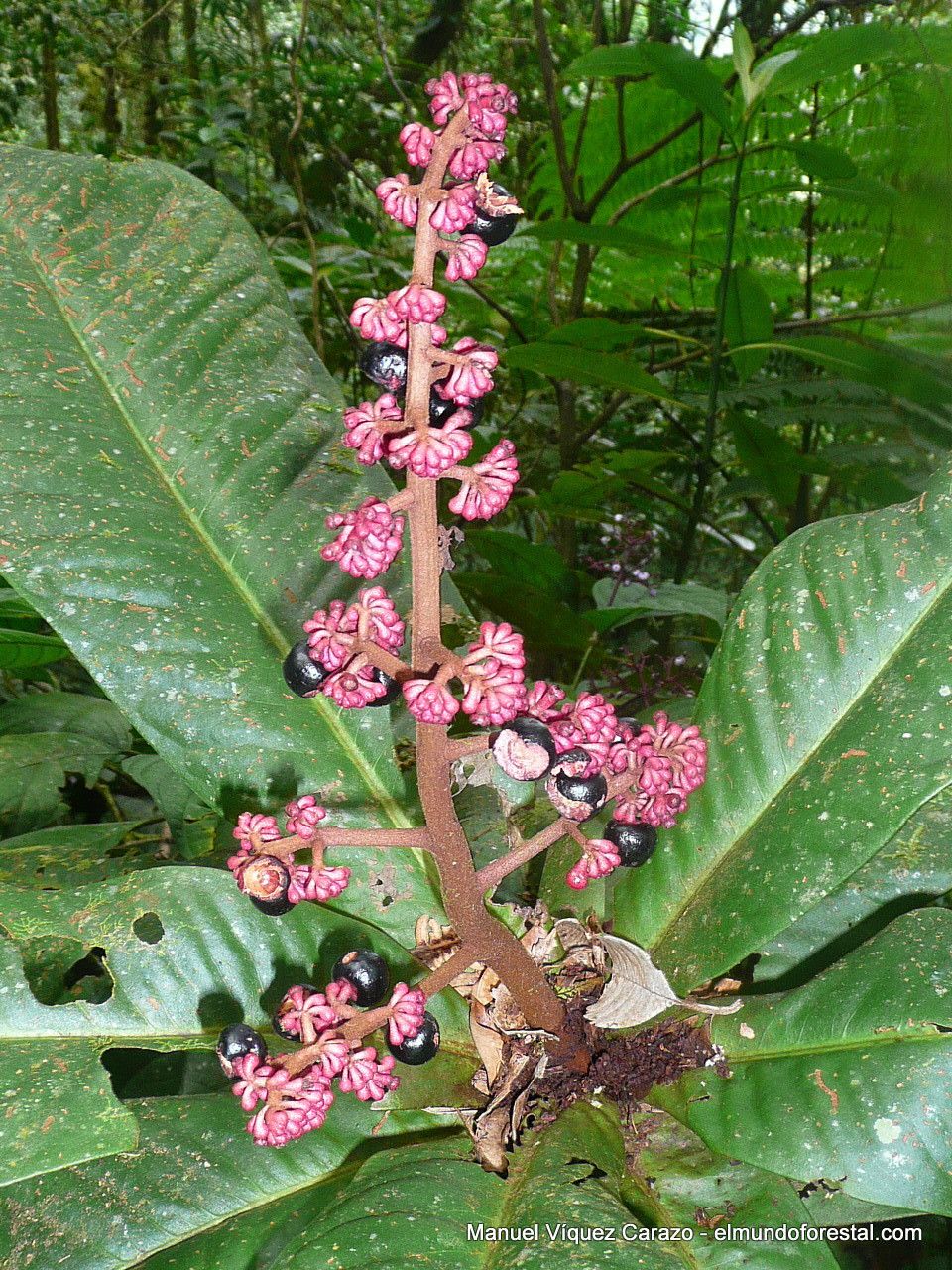
Propagating Ardisia conoidea: A Gardener’s Guide to the Coral Berry
Introduction
Ardisia conoidea, commonly known as Coral Berry, is a captivating evergreen shrub prized for its vibrant red berries that persist throughout winter, providing a cheerful splash of color in the otherwise dormant landscape. Its attractive, glossy foliage and relatively low-maintenance nature have made it a popular choice among gardeners, but its propagation presents some unique challenges. Unlike some readily propagated plants, Ardisia conoidea doesn’t readily lend itself to all propagation methods, making successful cultivation all the more rewarding.
Seed Germination
Currently, there are no known reliable methods for seed germination propagation of Ardisia conoidea. While seeds may be produced, their germination rate is exceptionally low, and consistent success remains elusive even under controlled conditions. Further research is needed to determine optimal germination conditions, if any exist.
Cuttings
Cuttings offer a more promising avenue for propagating Ardisia conoidea. However, success is not guaranteed and requires attention to detail.
Challenges: Ardisia conoidea cuttings are prone to rotting if not properly cared for. Maintaining optimal humidity and preventing fungal infections are crucial. Root development is often slow.
Practical Tips: Semi-hardwood cuttings taken in late summer or early autumn generally yield the best results. Use a sharp, clean blade to take 4-6 inch cuttings, removing lower leaves to prevent rotting. Dip the cut ends in rooting hormone before planting in a well-draining, sterile propagation mix (e.g., perlite and peat moss). Cover the cuttings with a clear plastic dome or bag to maintain high humidity. Place in a warm, shaded location with indirect light. Regular misting may be beneficial.
- Rewards: Successfully rooted cuttings offer a quicker path to a mature plant compared to other methods. While not offering the genetic diversity of seed propagation, cuttings maintain the characteristics of the parent plant.
Division
Division is a viable method, particularly for established plants.
Challenges: Care must be taken to avoid damaging the root system during division. Each division should ideally have a healthy root mass and several stems to ensure successful establishment.
Practical Tips: Divide the plant in early spring or autumn when the soil is moist. Use a sharp spade or knife to separate the plant into sections, ensuring each section has its own root system and several stems. Replant the divisions in well-draining soil amended with organic matter. Water thoroughly after planting.
- Rewards: Division is the simplest method, resulting in quick establishment of new plants. It is most effective for mature plants with well-developed root systems.
Tissue Culture
Tissue culture offers a potentially high-yield method for propagating Ardisia conoidea, but it is a highly specialized technique.
Challenges: This method requires a sterile laboratory environment, specialized equipment, and a thorough understanding of plant tissue culture techniques. It’s not a method easily accessible to the home gardener.
Practical Tips: Sterile procedures are paramount. Explants (small pieces of plant tissue) are taken from the plant and grown on a nutrient-rich agar medium under sterile conditions. Once sufficient growth occurs, the plantlets can be transferred to individual pots. This process requires specialized training and equipment and is generally performed in commercial nurseries.
- Rewards: Tissue culture offers the potential for mass propagation of genetically identical plants, which is valuable for commercial growers and for the conservation of rare or endangered cultivars.
Conclusion
Propagation of Ardisia conoidea presents unique challenges, with seed germination proving unreliable. Cuttings offer a feasible option for home gardeners, provided proper care and patience are exercised. Division is also easily achievable for well-established plants. Tissue culture remains a sophisticated method requiring specialized equipment and training. The satisfaction derived from successfully propagating Coral Berry comes from overcoming these challenges and nurturing these delightful plants. The vibrant berries that reward your efforts make the effort worthwhile for any dedicated plant enthusiast. Remember patience and attention to detail are key. Don’t be discouraged by initial setbacks; experiment and learn from each attempt. The journey of propagating Ardisia conoidea is as rewarding as the final result.