
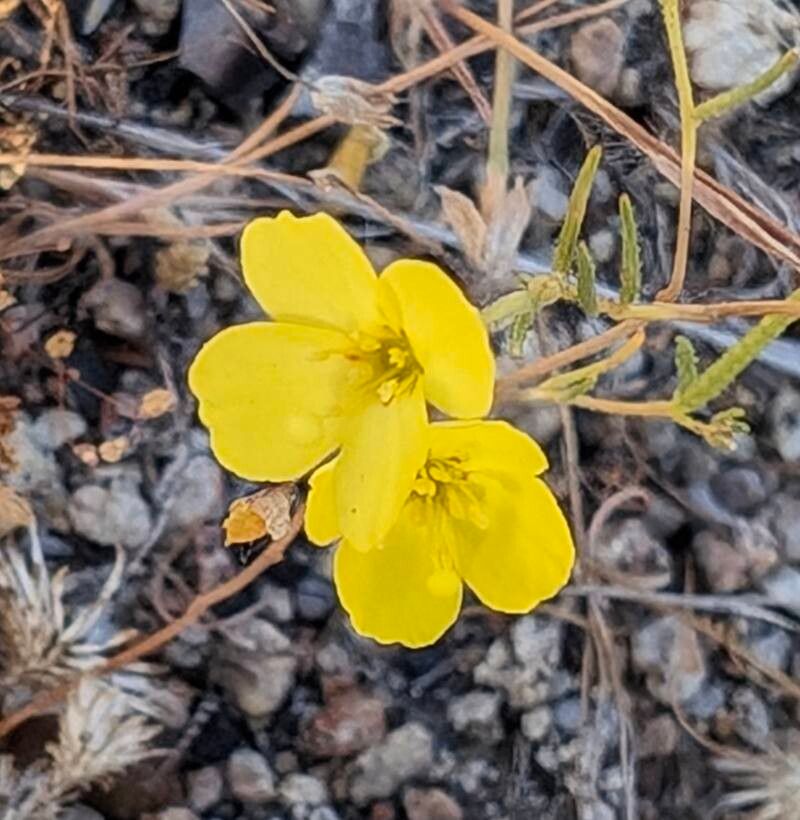
Waking Up the Sunshine: How to Propagate Camissonia campestris
Camissonia campestris, more affectionately known as the Mojave suncup or golden evening primrose, is a delightful addition to any sun-soaked garden. This California native boasts vibrant yellow blooms that unfurl in the evening, painting your landscape with a warm glow. If you’re yearning for a continuous cascade of these cheerful flowers, propagation is your answer. Let’s explore the two most successful methods for multiplying your Mojave suncup collection:
1. Seed Starting: A Journey from Tiny Specks to Sunny Blooms
Propagating Camissonia campestris from seed is surprisingly straightforward and remarkably rewarding. Here’s your step-by-step guide:
- Timing is key: Aim to sow your seeds in early spring, directly into your garden bed or in seed trays indoors.
- Prepare the soil: These hardy plants thrive in well-drained soil. If starting indoors, use a seed-starting mix. For direct sowing, loosen the existing soil and amend it with compost for good drainage.
- Sow generously: Sprinkle your seeds over the prepared soil, remembering that Camissonia campestris is a wildflower and enjoys some company.
- Thinning is caring: As your seedlings emerge and grow a few inches tall, thin them out to provide adequate spacing (about 6-12 inches apart). This allows each plant to flourish without competition.
2. Cuttings: Replicating Perfection with Stem Sections
If you’re looking to create an exact replica of a particularly stunning specimen, cuttings are your best bet:
- Choose wisely: In the spring, before flowering, select healthy, non-flowering stems for your cuttings.
- Make the cut: Using clean, sharp shears, cut a 4-6 inch section of stem just below a leaf node. Remove the lower leaves, leaving only a couple near the top.
- Encourage rooting: Dip the cut end of your stem into rooting hormone (optional but helpful). Then, plant it in a pot filled with well-draining potting mix, making sure at least one leaf node is buried.
- Patience is a virtue: Keep the soil consistently moist and place the pot in a warm, bright location, out of direct sunlight. Rooting can take several weeks.
- Transplant success: Once your cutting shows signs of new growth, it has likely rooted. You can now transplant it into your garden, taking care to harden it off gradually.
Caring for your new additions:
Camissonia campestris is relatively low-maintenance. It thrives in full sun and requires minimal watering once established. Deadheading spent blossoms can encourage more abundant flowering.
Enjoying the Golden Reward:
Whether you choose seed starting or cuttings, propagating Camissonia campestris is a rewarding endeavor. With minimal effort, you can create a dazzling display of these sunshine-hued blooms, bringing joy to your garden for seasons to come.