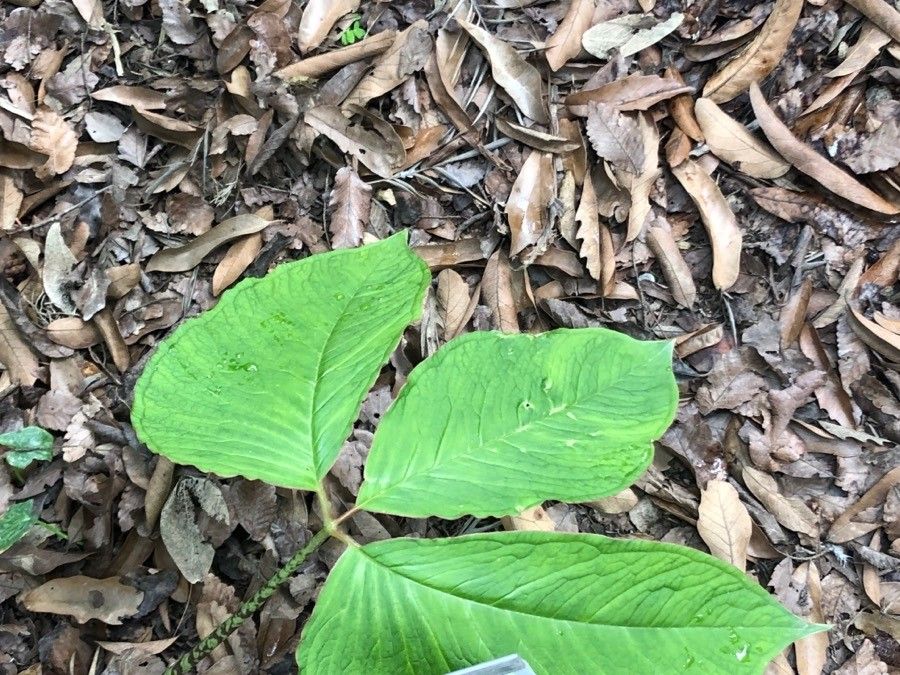
How to Propagate Arisaema speciosum

Propagating Arisaema speciosum: Unlocking the Secrets of the Japanese Cobra Lily

Introduction:

Arisaema speciosum, commonly known as the Japanese Cobra Lily, is a captivating plant prized for its striking hooded inflorescence resembling a cobra’s head. Native to Japan, this member of the Araceae family boasts significant horticultural appeal due to its dramatic foliage and unusual flower structure. Its popularity among discerning gardeners is testament to its unique beauty, but propagation presents certain challenges. The plant’s relatively slow growth and specific environmental needs make successful propagation a rewarding, though often demanding, endeavor. This article explores the various methods available, outlining their challenges and rewards.

Seed Germination:

Seed germination in Arisaema speciosum is possible but presents significant challenges. The seeds require a period of cold stratification to break dormancy. This process mimics the natural winter conditions that the seeds experience in their native habitat.

Challenges: Low germination rates are common, even with proper stratification. Seed viability can be inconsistent, and fungal diseases can easily affect seedlings.

Practical Tips: Seeds should be collected when fully ripe and cleaned of any remaining pulp. Stratification is crucial and should be carried out for at least 3-4 months at temperatures between 2-5°C (35-41°F) in moist peat moss or vermiculite. Sowing should be done in a well-draining seed-starting mix, kept moist but not waterlogged.

Rewards: Successful germination offers the opportunity to obtain genetically diverse plants. This provides a valuable avenue for large-scale propagation, especially for conservation efforts or breeding new cultivars.

Cuttings:

Currently, there are no known reliable methods for propagating Arisaema speciosum from cuttings. The plant’s physiology doesn’t lend itself readily to this method.

Division:

Division is a relatively straightforward and successful method for propagating Arisaema speciosum. It involves separating the corms (underground storage organs) during the plant’s dormant period.

Challenges: Careful handling is essential to avoid injuring the corms, which can lead to rotting. The number of viable divisions from each plant is limited by the size and maturity of the corm.

Practical Tips: Division is best undertaken in late summer or early autumn after the foliage has died back. Each division should ideally include a healthy portion of rhizome with at least one growing point. Plant the divisions in well-draining soil rich in organic matter, ensuring sufficient spacing to allow for growth.

Rewards: Division offers a faster and more reliable method of propagation than seed germination. It allows for rapid increase in the number of plants, particularly beneficial for gardeners wishing to expand their collections.

Tissue Culture:

Tissue culture offers potential for large-scale propagation of Arisaema speciosum, but it’s a highly specialized technique requiring significant laboratory setup and expertise.

Challenges: Establishing a sterile tissue culture protocol for this species requires significant research and development. Contamination is a major risk, and optimizing growth media formulations for optimal growth and shoot multiplication can be challenging.

Practical Tips: This method is unsuitable for the average home gardener and is best left to professional laboratories specializing in plant tissue culture.

Rewards: Tissue culture offers the highest potential for rapid mass propagation. It allows the production of virus-free plants and can be used to preserve genetically valuable individuals.

Conclusion:

Propagating Arisaema speciosum presents a range of challenges, dependent on the chosen method. Seed germination, while offering genetic diversity, is characterized by low success rates. Cuttings are currently not a viable option. Division offers a more reliable approach for home gardeners, whilst tissue culture holds the key to mass propagation but requires specialized expertise. However, the rewards of successfully propagating this striking plant are immense. The patience required, the careful observation of the plant’s needs, and the eventual triumph of witnessing a new plant emerge from a seed, corm division, or even a tissue culture vial create a unique sense of accomplishment that surpasses the challenges. Don’t be discouraged by the initial hurdles; the beauty and uniqueness of Arisaema speciosum make the effort well worth it for any dedicated gardener.

How to Propagate Arisaema speciosum

Propagating Arisaema speciosum: A Gardener’s Challenge and Reward

Arisaema speciosum, known colloquially as the "cobra lily" or "dragon root" due to its striking hooded inflorescence, is a captivating member of the Araceae family. Its deeply veined, often mottled leaves and uniquely shaped spadix surrounded by a spathe make it a prized possession among plant enthusiasts. The challenging nature of its cultivation, however, adds to its allure, making successful propagation a particularly rewarding experience. This article explores the various methods of propagating Arisaema speciosum, outlining the challenges and rewards of each.

Seed Germination:

Seed germination in Arisaema speciosum presents significant challenges. While viable seeds can be obtained, they often exhibit dormancy, requiring specific conditions to break before germination occurs. The primary challenge lies in the need for prolonged cold stratification. This involves subjecting the seeds to a period of cold, moist conditions that mimic the natural winter environment.

Challenges: Achieving consistent germination rates is difficult. Improper stratification can lead to seed rot or failure to germinate. Seed viability can also vary significantly.

Practical Tips: Clean seeds thoroughly and sow them in a well-draining seed-starting mix. Stratification should involve at least three months at temperatures just above freezing (around 3-5°C / 37-41°F). After stratification, sow seeds at a shallow depth in a slightly acidic medium and maintain consistently moist (but not waterlogged) conditions. High humidity is beneficial. Gradual increases in temperature and light levels as seedlings emerge will support healthy growth.

Rewards: Successful seed germination offers the chance to grow genetically diverse plants, broadening the genetic pool and potentially yielding unique variations. It’s also a potentially less expensive method for large-scale propagation.

Cuttings:

Currently, there are no known reliable methods for propagating Arisaema speciosum via cuttings. The plant’s specific physiology and reliance on its corm for growth does not lend itself to successful vegetative propagation from stem or leaf cuttings.

Division:

Division of established corms is the most reliable and commonly used method for propagating Arisaema speciosum.

Challenges: Careful handling is crucial to avoid damaging the corms, which are fragile. The plant’s relatively slow growth means that only mature plants with substantial corms can be divided effectively. Each division should ideally contain at least one healthy growth point for successful establishment.

Practical Tips: Division is best carried out during the plant’s dormant period, typically late summer or autumn. Carefully lift the corm using a spade or garden fork, being mindful of the roots. Divide the corm into sections, ensuring each section has a portion of the rhizome and at least one bud. Replant the divisions in a well-drained, rich soil mix at the same depth as the original plant.

Rewards: Division offers a rapid and relatively straightforward means of increasing the number of plants. It ensures the propagation of desirable characteristics present in the parent plant.

Tissue Culture:

Tissue culture propagation of Arisaema speciosum is possible, but it requires specialized laboratory equipment and expertise.

Challenges: Establishing sterile conditions and developing suitable culture media for optimal growth are essential. This method is resource-intensive and requires technical skills beyond the average home gardener.

Practical Tips: This method is best left to professionals or well-equipped laboratories. Specialized protocols involving plant growth regulators and nutrient media are required.

Rewards: Large-scale propagation can be achieved efficiently. This method offers a route to reproduce rare or desirable cultivars quickly and in large numbers.

Conclusion:

Propagating Arisaema speciosum presents unique challenges, particularly with seed germination and cuttings. Division remains the most accessible and reliable method for the home gardener. While tissue culture offers the potential for large-scale propagation, it necessitates specialized expertise. The difficulty inherent in cultivating this strikingly beautiful plant only increases the satisfaction of successfully propagating it, be it from seed, division, or through the more challenging route of tissue culture. For aspiring propagators, patience, attention to detail, and a thorough understanding of the plant’s specific requirements are paramount. The rewards—the exquisite beauty of these unique plants flourishing in your garden—are well worth the effort.