
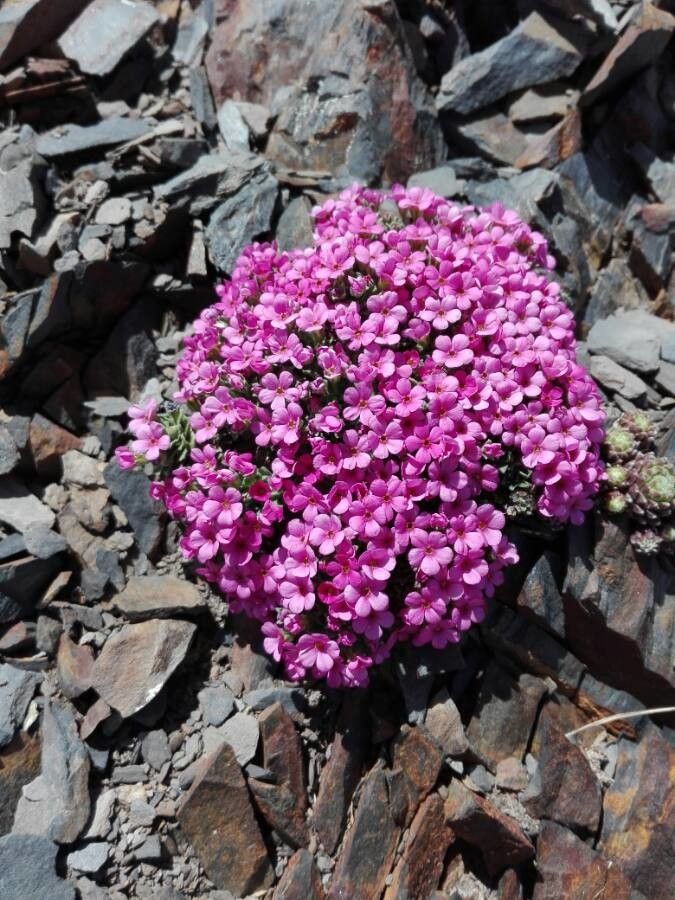
Delicate Beauty, Delicate Touch: Propagating Androsace ciliata
Androsace ciliata, with its petite rosettes and charming pink flowers, is a captivating addition to any alpine garden. Its delicate beauty, however, can make propagation seem like a daunting task for even experienced gardeners. Fear not! While this alpine treasure requires a gentle touch, understanding its preferences for propagation can lead to success.
This article delves into the two primary methods for propagating Androsace ciliata:
1. Seed Propagation: A Test of Patience
Propagating Androsace ciliata from seed is a rewarding, albeit lengthy, process. Timing and patience are key here.
- Sowing the Seeds: Sow seeds in late winter or early spring, ideally in a cold frame or unheated greenhouse. Use a well-draining seed compost and sprinkle the tiny seeds on the surface, barely covering them.
- Cold Stratification: Androsace ciliata seeds often benefit from a period of cold stratification, which mimics the natural winter conditions they would experience in their native habitat. You can achieve this by placing the seed trays in a refrigerator (around 4°C) for 4-6 weeks before moving them to a brighter, warmer location.
- Germination: Be patient! Germination can be erratic and may take several weeks to months. Keep the compost consistently moist but not waterlogged. Once seedlings are large enough to handle, carefully prick them out and transplant them into individual pots.
- Growth and Beyond: Grow the seedlings on for a year or two before planting them out in their final location in the rock garden or alpine trough.
2. Division: Propagation with Established Plants
Dividing established plants in spring, just as new growth emerges, is another effective method for propagating Androsace ciliata.
- Divide and Conquer: Carefully lift the plant from its pot or the ground. Gently tease apart the rosettes using your fingers or a sharp, clean knife. Ensure that each division has a good amount of roots attached.
- Repotting: Pot up the divisions into individual pots using a well-draining compost suitable for alpine plants. Water them in well and place them in a sheltered location, out of direct sunlight.
- Post-Division Care: Keep the divisions evenly moist and monitor their growth. Once they show signs of establishing themselves, gradually introduce them to brighter light conditions.
Tips for Success:
- Well-Draining Soil: Regardless of the propagation method, Androsace ciliata thrives in well-draining soil. Use a gritty compost specifically formulated for alpine plants.
- Light Requirements: While they appreciate some sunlight, Androsace ciliata prefers dappled shade, especially during the hottest part of the day.
- Watering Wisely: Water regularly during the growing season, allowing the soil to dry slightly between waterings. Reduce watering in winter.
- Pest and Disease Control: Keep an eye out for pests like aphids and vine weevils. Ensure good air circulation to prevent fungal diseases.
Propagating Androsace ciliata requires patience and attention to detail. By following these guidelines and understanding the plant’s needs, you can successfully propagate this alpine charmer and enjoy its delicate beauty in your own garden for years to come.