
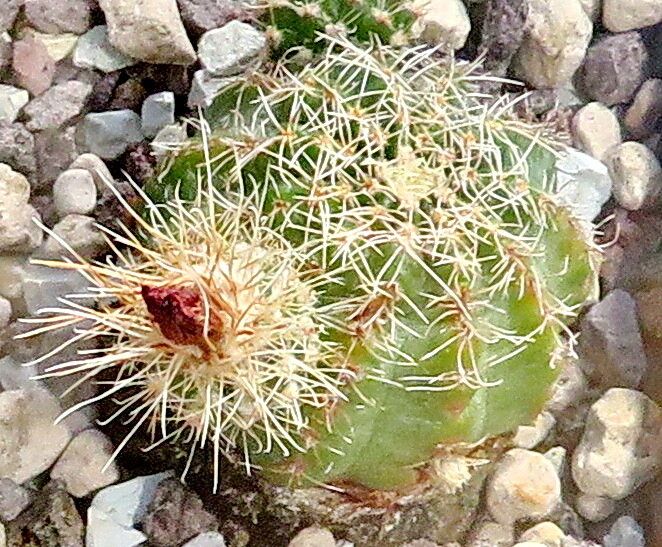
Waking Up the Sleeping Beauty: Propagating Your Echinocereus pulchellus
The Echinocereus pulchellus, with its charming pink blooms and manageable size, is a favorite among cactus enthusiasts. While admiring its beauty is certainly enjoyable, there’s a special satisfaction in multiplying your collection by propagating this delightful species. Fear not, for waking up these “sleeping beauties” isn’t as thorny a task as you might think!
Two Paths to Propagation: Seeds vs. Offsets
Echinocereus pulchellus offers two primary methods for propagation:
- Seeds: This approach provides a wealth of new plants but requires a bit more patience.
- Offsets: Also known as “pups,” offsets offer a quicker route to new plants, but their availability depends on the parent plant’s growth habit.
Method 1: Sowing the Seeds of Success
- Harvesting Seeds: As your Echinocereus pulchellus flowers fade, keep an eye out for the formation of small, reddish fruits. Once these fruits dry and begin to split open, you can harvest the tiny black seeds within.
- Preparing the Seedbed: Use a well-draining soil mix specifically formulated for cacti and succulents. A shallow tray or pot with drainage holes is ideal.
- Sowing Time: The ideal time to sow your seeds is during the warmer months (spring or early summer) when days are longer and temperatures are consistently warm.
- Sowing Technique: Sprinkle the seeds evenly across the surface of the soil and lightly press them in. No need to bury them deeply – light is essential for germination.
- Water Wisely: Use a misting bottle to moisten the soil surface, ensuring that it doesn’t become waterlogged. A humidity dome or a clear plastic wrap covering can help retain moisture and heat, promoting faster germination.
- Patience is Key: Germination can take anywhere from a few weeks to a few months. Be patient, provide consistent moisture and warmth, and soon enough, you’ll be greeted with a tiny forest of Echinocereus pulchellus seedlings.
Method 2: Encouraging Offsets for Faster Growth
- Spotting Potential: Echinocereus pulchellus tends to produce offsets, or “pups,” at the base of the parent plant. Look for small, independently growing cacti emerging around the main plant.
- Time to Separate: Wait until the offsets are a decent size (at least an inch or two tall) before attempting to separate them. This ensures they have developed a sufficient root system to thrive on their own.
- Gentle Removal: Use a clean, sharp knife or pair of gardening shears to carefully separate the offset from the parent plant. Ensure you take a portion of the connecting tissue to encourage rooting.
- Callus Formation: Allow the cut surface of the offset to dry and callous over for a few days. This prevents potential issues with rot when planted.
- Potting Time: Plant the callused offset in a well-draining cactus mix, ensuring the base of the plant sits slightly above the soil line.
- Watering Routine: Water sparingly, allowing the soil to dry completely between waterings. As the offset establishes its root system, you can gradually increase the watering frequency.
Worth the Effort:
Whether you choose the rewarding journey of seed propagation or opt for the faster gratification of offsets, propagating your Echinocereus pulchellus is a fulfilling endeavor. With a little patience and the right knowledge, you’ll soon have an array of these captivating cacti to brighten your home and share with fellow plant lovers.