
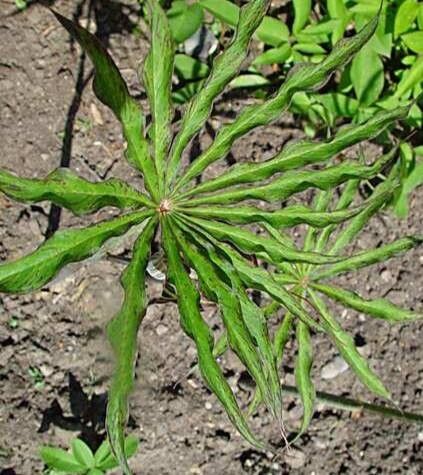
Propagating Arisaema erubescens: Unveiling the Secrets of the Reddish Jack-in-the-Pulpit
Arisaema erubescens, commonly known as the Reddish Jack-in-the-Pulpit, is a captivating member of the Araceae family, prized for its striking hooded inflorescence and intriguing foliage. Its unique appearance, coupled with its relative ease of cultivation (once established), has made it a sought-after plant among gardeners who appreciate unusual and dramatic additions to their shade gardens. However, propagating this plant presents unique challenges, making successful cultivation a rewarding endeavor. This article explores various propagation methods, analyzing their viability and offering practical guidance.
Seed Germination:
Seed germination in Arisaema erubescens is possible, but notoriously challenging and slow. The seeds require a period of stratification – a process mimicking the natural winter conditions they would experience in their native habitat. This typically involves a cold, moist stratification period of several months (ideally 3-4 months) at temperatures between 1-5°C (34-41°F). Seeds should be sown in a well-draining seed-starting mix, kept consistently moist but not waterlogged during stratification. After stratification, seeds are sown in a well-draining mix and kept in a warm, bright (but not direct sun) location.
Germination can still be erratic even with stratification, and seedlings may take several months, even years, to emerge. Challenges include fungal diseases and susceptibility to damping off in overly moist conditions. The rewards, however, include increased genetic diversity within your collection and the potential to propagate large numbers of plants, although patience is absolutely paramount.
Cuttings:
Currently, there are no known reliable methods for propagation of Arisaema erubescens via cuttings. The plant’s physiology and anatomy do not readily lend themselves to successful propagation from stem or leaf cuttings.
Division:
Division is the most reliable and readily successful method for propagating Arisaema erubescens. This involves carefully separating established corms (underground storage organs) during their dormant period (late autumn or early spring). Each division should ideally possess a healthy portion of rhizome and roots. The divided corms should be planted immediately in a suitable location with moist, well-draining soil rich in organic matter. While simpler than seed germination, successful division requires careful handling to avoid damaging the delicate roots and corms. The reward is relatively quick establishment of new plants, preserving the characteristics of the mother plant.
Tissue Culture:
Tissue culture is a potentially viable method for mass propagation of Arisaema erubescens. However, this method requires specialized laboratory equipment, sterile techniques, and expertise in plant tissue culture. While it offers the potential for large-scale production of genetically identical plants, it is not a practical approach for most home gardeners. Successful tissue culture necessitates specialized knowledge and resources, making it challenging for the average hobbyist.
Conclusion:
Propagating Arisaema erubescens presents varying degrees of challenge depending on the chosen method. Seed germination demands patience and precision, while cuttings offer little hope of success currently. Division provides the most reliable route for the average gardener, although careful handling is paramount. Tissue culture offers potential but requires expertise and resources beyond the scope of most home cultivators. The unique rewards—a dramatic display of these alluring plants in your garden—justify the efforts, particularly when the satisfaction of nurturing these delicate plants from seed or division to maturity is taken into account. Aspiring propagators are encouraged to start with division, gaining experience and potentially then trying seed germination if they enjoy the challenge. Remember consistent moisture, good drainage, and patience are key ingredients for success.