
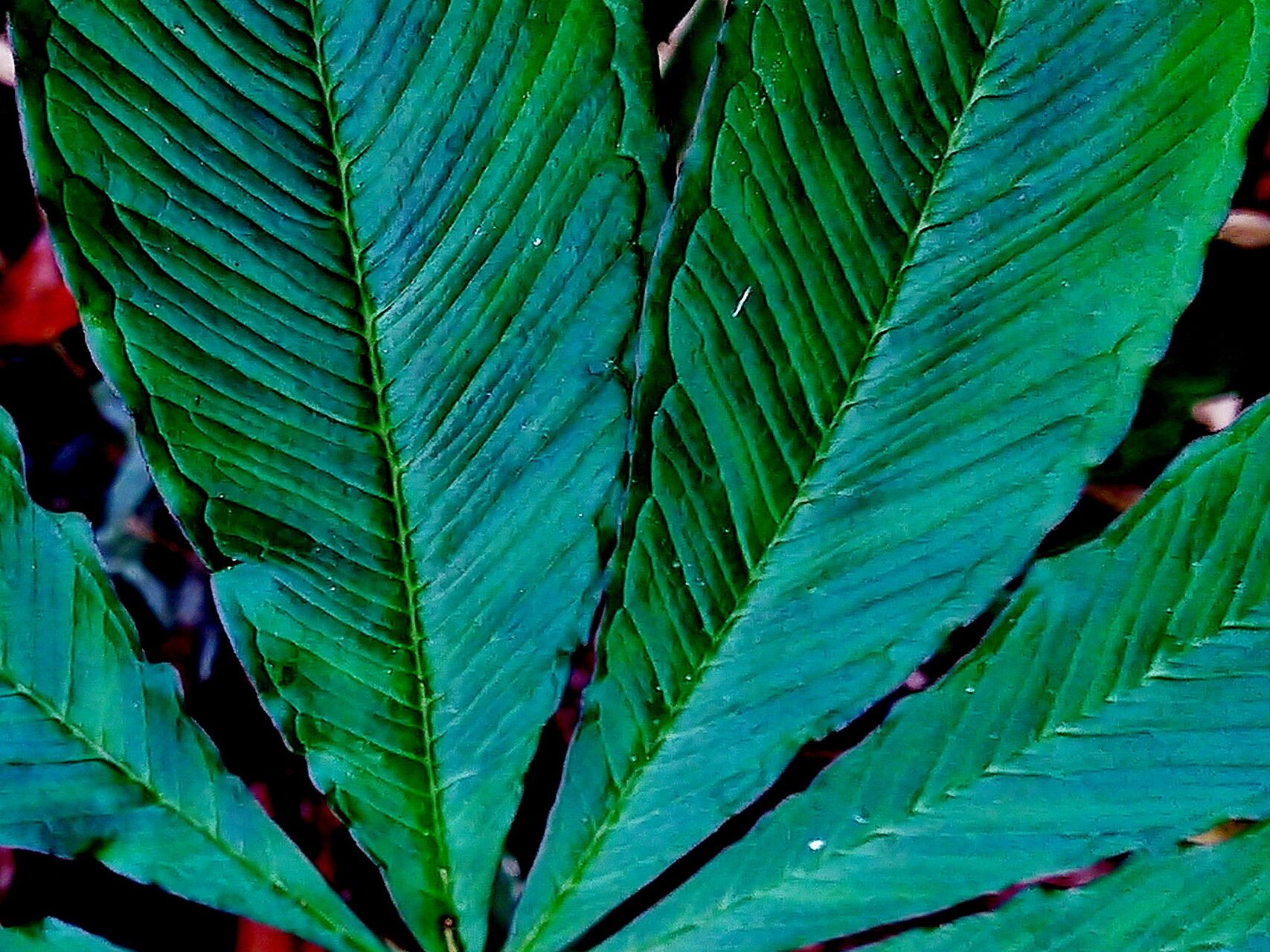
Propagating Arisaema taiwanense: A Gardener’s Challenge and Reward
Introduction:
Arisaema taiwanense, also known as the Taiwanese Cobra Lily, is a captivating member of the Araceae family, prized for its unique hooded inflorescence resembling a cobra’s head. Its striking foliage and intriguing flower structure make it a highly sought-after plant among discerning gardeners. However, its propagation isn’t straightforward, presenting a rewarding challenge for those willing to invest time and effort. The relatively slow growth rate and unique requirements underscore the significance of successful propagation methods.
Seed Germination:
Seed germination for Arisaema taiwanense is viable but presents several challenges. The seeds display dormancy, requiring a period of stratification to break this dormancy and promote germination.
Challenges: Seeds are notoriously slow to germinate, often taking several months to a year or more. Fungal diseases can easily attack the delicate seedlings. Successful germination rates are often low.
Practical Tips: Cold stratification is crucial. Seeds should be sown in a well-draining seed-starting mix, and then kept moist in a refrigerator at 3-5°C (37-41°F) for 2-4 months. After stratification, sow the seeds in a well-drained, moist (but not waterlogged) growing medium, maintaining consistent humidity and providing bright, indirect light. The use of fungicides might prove beneficial.
Rewards: Successfully germinated seeds offer a fantastic opportunity to increase genetic diversity in your collection and potentially generate a larger number of plants for individual use or propagation for others enjoying this remarkable species.
Cuttings:
Currently, there are no known reliable methods for propagation of Arisaema taiwanense via cuttings. The plant’s physiology and structure do not readily lend themselves to successful propagation from stem or leaf cuttings.
Division:
Division is a viable, albeit limited, method of propagating Arisaema taiwanense.
Challenges: Arisaema taiwanense doesn’t readily produce sufficient offsets (daughter corms) for easy division. Furthermore, any division should be done during the plant’s dormant period to minimize stress and chances of failure. Care must be taken to ensure each division has sufficient root structure and at least one healthy corm to successfully establish.
Practical Tips: Division should be performed carefully during late autumn or early winter. Ensure each division has a portion of rhizome and roots. Plant immediately after division in a well-draining, rich potting mix. Keep the divided plants in a cool and humid environment.
Rewards: Division allows for the increase of existing plants in a more straightforward manner than seed germination with a higher success rate. This method is preferable for maintaining cultivar characteristics where genetic fidelity is crucial.
Tissue Culture:
While not widely practiced for Arisaema taiwanense, tissue culture offers a potential method for large-scale propagation.
Challenges: Establishing sterile tissue culture conditions and developing optimal growth media necessitate considerable specialized knowledge and equipment. The procedure is labor-intensive and requires specialized skills.
Practical Tips: Tissue culture propagation requires a controlled environment free from pathogenic contamination. Appropriate media containing plant hormones needs to be carefully prepared. Experienced professionals are highly recommended to ensure proper sterilization and manipulation.
Rewards: Successful tissue culture propagation provides a rapid and efficient method for large-scale propagation, allowing for the production of numerous clones of a superior specimen.
Conclusion:
Propagating Arisaema taiwanense presents a distinct set of challenges, varying across methods. Seed germination offers high genetic diversity but struggles with low success rates and lengthy timelines. Division is a reliable method but is limited by the plant’s infrequent offset production. Cuttings have proven unreliable, and tissue culture, while potent, demands expertise and resources.
Yet, the rewards are substantial. The unique satisfaction of nurturing these plants from seed or successfully dividing a mature corm is unparalleled. Overcoming the challenges involved cultivates horticultural resilience and a deep appreciation for the intricacy of plant life. To aspiring propagators, we say this: be patient, meticulous, and don’t be discouraged by initial setbacks. The successful cultivation of Arisaema taiwanense is a testament to perseverance and provides a deep feeling of accomplishment that far outweighs the labour involved.