
Propagating Arisaema amurense: Unlocking the Secrets of the Amur Cobra Lily
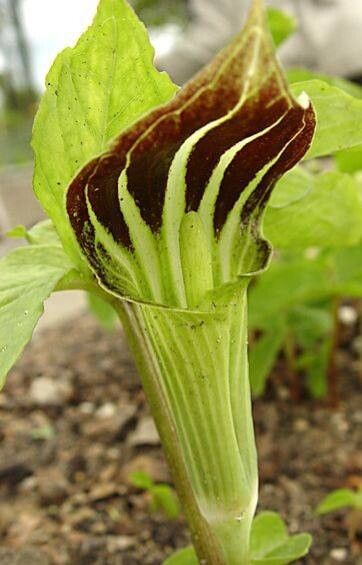
Arisaema amurense, commonly known as the Amur Cobra Lily, is a captivating member of the Araceae family, prized for its striking hooded inflorescence resembling a cobra’s head. Native to northeastern Asia, this rhizomatous perennial boasts attractive foliage and a unique, almost mystical presence in the garden, making it a highly sought-after plant among collectors and enthusiasts. Its relative ease of cultivation once established, coupled with its unusual appearance, contributes to its growing popularity. However, propagation presents some unique challenges.
Seed Germination:
Seed germination for Arisaema amurense is viable, but requires patience and specific conditions. The primary challenge lies in the seeds’ dormancy. They require a period of stratification, mimicking the natural winter conditions necessary to break dormancy. This typically involves a period of cold, moist stratification (3-4 months at temperatures between 2-4°C) followed by a period of warm stratification (1-2 months at 15-20°C). Sowing should ideally be done in autumn in a well-drained seed-starting mix. Keep the sowing mix consistently moist but not waterlogged. Germination can be slow, taking anywhere from several months to a year or more. The reward for this effort is the genetic diversity arising from seed-grown plants, offering a wide range of variation within the species, and the potential for large-scale propagation for conservation or distribution.
Cuttings:
Currently, there are no known reliable methods for propagation of Arisaema amurense via cuttings. The plant’s rhizomatous growth habit and lack of readily available stem tissues suitable for cutting propagation hinder this method.
Division:
Division is the most straightforward and successful method for propagating Arisaema amurense. The best time to divide is during the dormant period, usually late autumn or early spring, after the foliage has died back. Carefully lift the rhizome, ensuring minimal damage to the roots. Use a sharp, clean knife or spade to separate the rhizome into sections, each with at least one healthy growth bud. Replant the divisions immediately into well-drained, humus-rich soil in a location offering dappled shade and consistent moisture. While relatively simple, care must be taken to avoid damaging the fragile roots during division. The reward lies in the rapid establishment of new plants, effectively cloning the parent plant.
Tissue Culture:
Tissue culture propagation of Arisaema amurense is possible, although it requires specialized equipment and aseptic techniques. This method is typically undertaken in professional nurseries or research labs and is not readily accessible to the average gardener. While offering the potential for mass production of genetically identical plants, the high initial investment and specialized skills make it a less practical method for the home propagator.
Conclusion:
Propagating Arisaema amurense presents a unique set of opportunities and challenges. While seed germination is achievable but demands patience and meticulous attention to stratification, division offers a reliable and accessible method for the home gardener. Cuttings and tissue culture remain less practical options for the average hobbyist. The satisfaction derived from successfully cultivating this plant from seed or division far outweighs the effort involved. The unique character and fascinating biology of the Amur Cobra Lily make the journey of propagation a rewarding experience for any plant enthusiast willing to embrace the challenges. For beginners, starting with rhizome division is highly recommended, building confidence before tackling the more intricate process of seed germination. With patience and understanding, the mystical beauty of Arisaema amurense can grace many more gardens.