
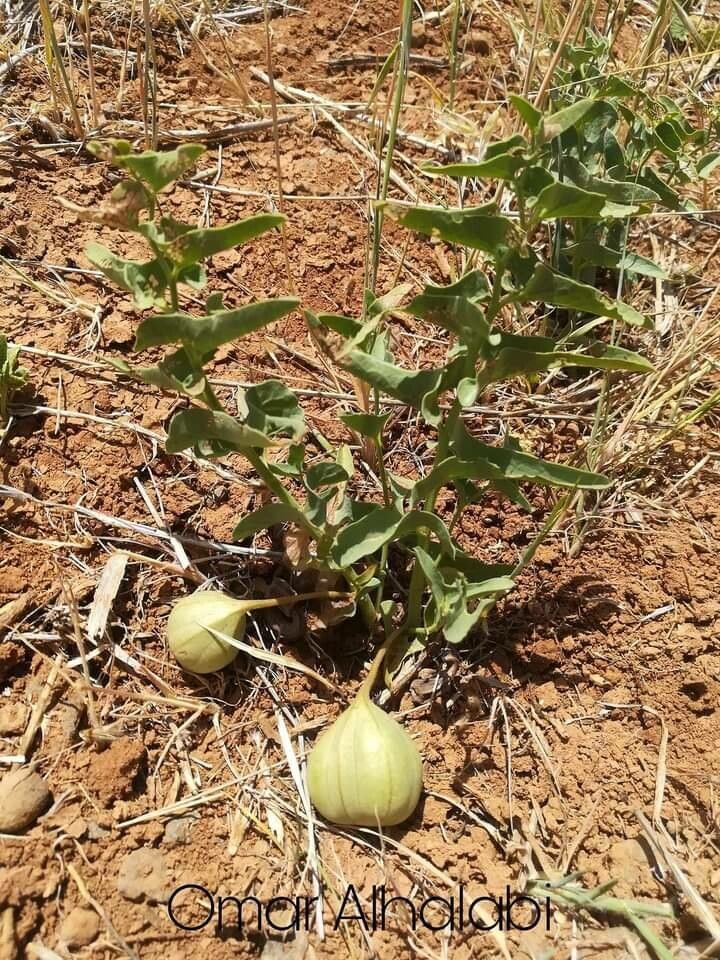
Propagating Aristolochia bracteolata: A Gardener’s Guide to the ‘Indian Birthwort’
Introduction:
Aristolochia bracteolata, commonly known as Indian Birthwort, is a captivating climbing vine prized for its unusual, often dark-colored, and somewhat bizarrely shaped flowers. These flowers, with their characteristically curved tube and flaring lip, attract pollinating insects through a deceptive strategy, showcasing the plant’s fascinating evolutionary adaptations. The heart-shaped leaves add to its visual appeal, making it a sought-after addition to collections for both its aesthetic value and botanical intrigue. While its propagation presents certain challenges, the rewards of successfully cultivating this unique plant are significant for gardeners interested in rarer species.
Seed Germination:
Currently, there are no known reliable methods for seed germination propagation of Aristolochia bracteolata. While seeds may be produced, their viability and germination rate are notoriously low, likely due to factors such as short-lived viability and specific germination requirements yet to be fully understood. Further research into specific seed treatment protocols, such as scarification or stratification, may be necessary to improve success rates.
Cuttings:
Cuttings offer a more promising method for propagating Aristolochia bracteolata.
Challenges: Success hinges on using semi-hardwood cuttings taken from actively growing shoots during late spring or early summer. The cuttings require high humidity and warmth to root effectively. The risk of fungal diseases can also be high if proper sanitation isn’t maintained.
Practical Tips: Take 4-6 inch cuttings, removing lower leaves to prevent rot. Treat the cut ends with a rooting hormone, and plant the cuttings in a well-draining mix of perlite and peat moss. Maintain high humidity by covering the cuttings with a plastic dome or placing them in a propagator. Regular misting is vital.
Rewards: Cuttings offer a relatively quick method of propagation compared to other techniques, allowing for faster multiplication of desirable genotypes.
Division:
Division is generally not a practical method for propagating Aristolochia bracteolata. This vine’s root system is not readily divisible into viable sections, and attempts to do so often damage the plant significantly, reducing chances of survival.
Tissue Culture:
Tissue culture represents a potential yet largely unexplored avenue for propagating Aristolochia bracteolata.
Challenges: Establishing a reliable protocol for Aristolochia bracteolata tissue culture would require significant research and expertise in plant tissue culture techniques. Finding the optimal media, hormones, and sterilization methods would be crucial for successful shoot multiplication and plantlet development.
Practical Tips: This method is not recommended for home gardeners due to the specialized equipment, aseptic environment, and technical skill required.
Rewards: Tissue culture offers the potential for large-scale propagation and the elimination of diseases, creating disease-free planting material.
Conclusion:
Propagating Aristolochia bracteolata presents a unique set of challenges, with cuttings offering the most readily accessible and potentially successful method for home gardeners. While seed germination and division are largely unreliable, the exciting possibility of tissue culture remains for future exploration. The unique satisfaction of successfully cultivating this plant, however, far outweighs the effort. The reward is not only the enjoyment of its stunning and unusual flowers but also a deep appreciation for the complexities of plant propagation and the tenacity of this fascinating vine. For aspiring propagators, patience, attention to detail, meticulous hygiene, and a willingness to experiment are key ingredients for success. Don’t be discouraged by initial setbacks – the journey of cultivating this rare beauty is as rewarding as the final result.