
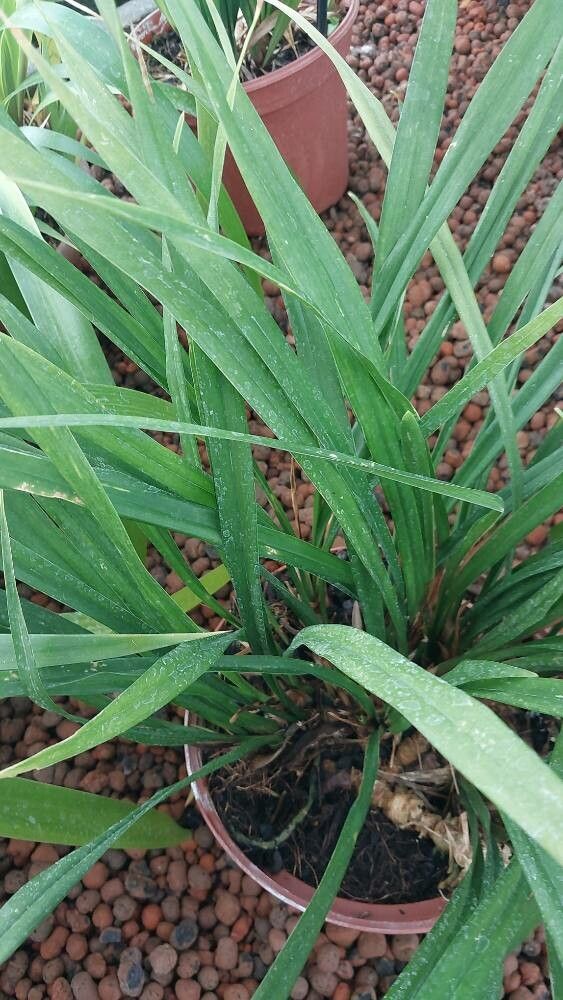
Propagating the Cast Iron Plant: Unveiling the Secrets of Aspidistra caespitosa
Aspidistra caespitosa, commonly known as the Cast Iron Plant, is a remarkably resilient and low-maintenance perennial prized for its tolerance to neglect and ability to thrive in low-light conditions. Its striking dark green, strap-like leaves, and clumping habit make it a popular choice for both indoor and outdoor cultivation (in suitable climates). However, its propagation presents unique challenges, making successful cultivation all the more rewarding. Unlike many plants readily propagated from seed or cuttings, Aspidistra caespitosa presents a more nuanced propagation picture.
Seed Germination:
Currently, there are no known reliable methods for seed germination propagation of Aspidistra caespitosa. While the plant does produce seeds, germination rates are extremely low, and the process is largely unpredictable. Factors such as seed viability, dormancy, and specific germination requirements remain largely undocumented and unexplored. Therefore, seed propagation is not a practical method for most gardeners.
Cuttings:
Cuttings, a common method for propagating many plants, are also largely unsuccessful with Aspidistra caespitosa. The plant lacks the readily available meristematic tissue (actively dividing cells) often crucial for successful rooting from cuttings. While some anecdotal evidence suggests rare success with root cuttings, the overall lack of reliable protocols renders this method impractical for consistent propagation.
Division:
Division is the most reliable and commonly used method for propagating Aspidistra caespitosa. This involves carefully separating the established clumps of rhizomes into smaller units, each with its own root system and several leaves.
Challenges: The main challenge lies in carefully separating the rhizomes without damaging them. Forceful separation can lead to wounding, potentially causing rot and hindering the establishment of new plants.
Practical Tips: The best time for division is during the spring or early summer. Use a sharp, clean knife or spade to carefully divide the rhizome, ensuring each division retains a healthy root system and several leaves. Plant the divisions immediately in well-draining potting mix, keeping them slightly moist but avoiding overwatering.
Rewards: Division offers high success rates, resulting in multiple new plants that are genetically identical to the parent plant. This is a relatively quick method for increasing the number of plants, making it ideal for gardeners wishing to expand their collection or share plants with others.
Tissue Culture:
Tissue culture offers the potential for large-scale propagation of Aspidistra caespitosa, overcoming the limitations of other methods. This laboratory-based technique involves growing plantlets from small tissue samples under sterile conditions.
Challenges: Establishing effective tissue culture protocols for Aspidistra caespitosa requires specialized knowledge and equipment. Finding the optimal nutrient media and hormonal balance for successful growth and shoot proliferation can be complex and time-consuming. Contamination is a constant risk during the procedure.
Practical Tips: Sterile techniques are paramount. Expertise in plant tissue culture is essential to successfully implement this method.
Rewards: Tissue culture allows for the rapid and large-scale production of genetically identical plants, making it ideal for commercial propagation and conservation efforts.
Conclusion:
Propagating Aspidistra caespitosa presents unique challenges, with division proving the most reliable method for home gardeners. While seed germination and cuttings are largely unsuccessful, the potential offered by tissue culture opens up possibilities for large-scale propagation. The difficulty involved, however, only enhances the satisfaction of successfully nurturing a new Cast Iron Plant from a division or, even more impressively, through tissue culture. The resilience of this remarkable plant, combined with the rewarding experience of its successful propagation, makes it a captivating subject for the dedicated plant enthusiast. Remember patience and meticulous care are key – the rewards of witnessing a new plant emerge are well worth the effort.