
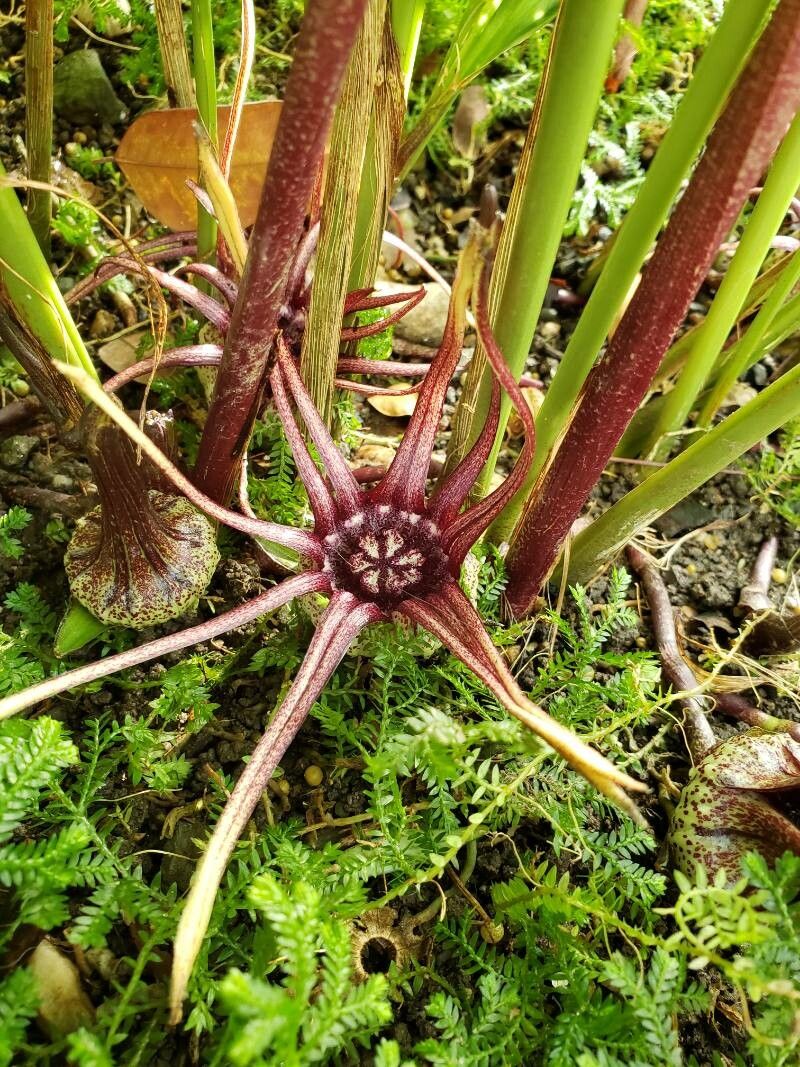
Propagating the Cast Iron Plant: Mastering the Art of Aspidistra Grandiflora Reproduction
Aspidistra grandiflora, commonly known as the cast iron plant, is a celebrated houseplant renowned for its exceptional resilience and low-maintenance nature. Its tolerance of neglect and shade has cemented its popularity among novice and experienced gardeners alike. However, its propagation, while achievable, presents unique challenges and rewards. This article explores various methods for propagating Aspidistra grandiflora, examining their viability and outlining practical steps for success.
Seed Germination:
Currently, there are no known reliable methods for seed germination propagation of Aspidistra grandiflora. While the plant does produce flowers and technically forms seeds, their viability is exceptionally low, and germination rates, even under optimal conditions, are practically nonexistent. The difficulties likely stem from complex seed dormancy mechanisms and challenging germination requirements that haven’t been successfully replicated in a cultivated setting. Therefore, focusing on vegetative propagation methods is significantly more practical.
Cuttings:
Propagation via cuttings is also generally considered unreliable for Aspidistra grandiflora. Stem cuttings, the most common method for many plants, rarely root successfully. The low success rate is attributed to the plant’s slow growth and inherent difficulty in initiating adventitious roots from stem tissue. Attempts at rooting hormone application or mist propagation have yielded inconsistent results, making this method impractical for most hobbyists.
Division:
Division is the most common and reliable method for propagating the cast iron plant. It involves separating the clump of rhizomes that form the plant’s underground structure.
Challenges: The biggest challenge lies in carefully separating the rhizomes to avoid damaging the delicate roots and individual growth points. Each division needs a healthy portion of rhizome and at least a few leaves to support its establishment. Overcrowding can inhibit growth.
Practical Tips: The best time for division is during spring or early summer. Gently lift the entire plant from its pot, loosen the soil, and carefully separate the rhizomes using a sharp, sterilized knife or trowel. Immediately pot each division in well-draining potting mix. Water thoroughly but avoid overwatering initially, allowing the roots to establish themselves.
Rewards: Division is the most efficient method for increasing plant numbers, offering a rapid way to obtain multiple, identical plants from a single mature specimen. This method is straightforward and delivers high success rates compared to other propagation methods.
Tissue Culture:
Tissue culture offers the potential for large-scale propagation of Aspidistra grandiflora, overcoming the limitations of other methods.
Challenges: This method necessitates specialized equipment, sterile conditions, and a skilled understanding of plant tissue culture techniques. It is not a viable option for home hobbyists.
Practical Tips: The process involves sterilizing plant material, culturing it on a nutrient-rich medium under controlled conditions, and then transferring the resulting plantlets to individual pots. Only experienced tissue culture laboratories possess the know-how and infrastructure for this method.
Rewards: Tissue culture allows for rapid and large-scale propagation, producing numerous genetically identical plants in a controlled setting. This is particularly beneficial for commercial growers wishing to produce consistent stock plants.
Conclusion:
Propagating Aspidistra grandiflora presents its share of obstacles. While seed germination and cuttings are largely impractical, division offers a reliable method for enthusiastic home gardeners. Tissue culture, reserved for professionals, provides the opportunity for large-scale reproduction. The relative ease and high success rate of division, when contrasted with the shortcomings of other techniques, highlight its practical value. The rewarding experience of successfully propagating a plant renowned for its hardiness is a testament to the gardener’s attentiveness and perseverance, providing a profound sense of accomplishment. Embrace the challenges, master the art of division, and relish the beauty of your successfully propagated, resilient cast iron plants.