
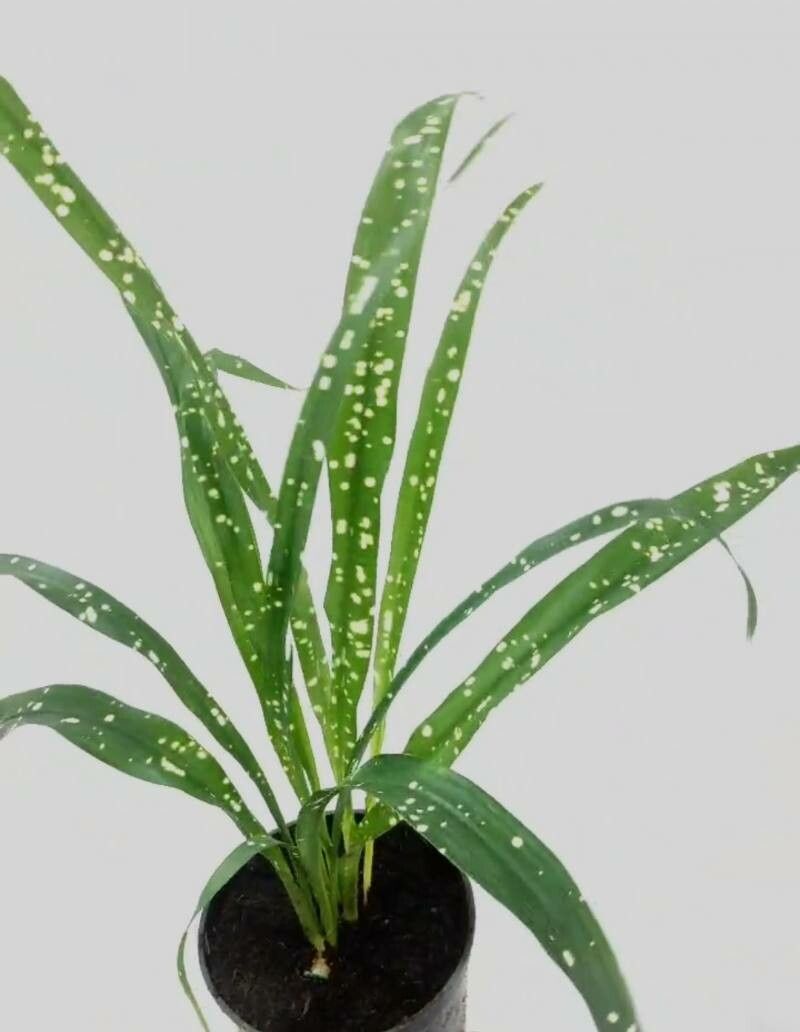
Propagating the Cast-Iron Plant: A Gardener’s Guide to Aspidistra lurida
Aspidistra lurida, commonly known as the cast-iron plant, is a remarkably resilient and low-maintenance perennial prized for its tolerance of neglect and its ability to thrive in low-light conditions. This makes it a popular choice for both novice and experienced gardeners, but its propagation presents unique challenges. Its steadfast nature and slow growth contribute to a slower propagation process than some other plants. Let’s explore the various methods.
Seed Germination:
Currently, there are no known reliable methods for seed germination propagation of Aspidistra lurida. While the plant does produce seeds, the germination rate is exceptionally low, and successful germination under controlled conditions has not been consistently documented. This is likely due to a combination of factors including a hard seed coat and specific germination requirements that haven’t been fully elucidated.
Cuttings:
Propagating Aspidistra lurida from cuttings is also largely unsuccessful. The plant’s rhizomatous growth habit doesn’t lend itself readily to stem or leaf cuttings. Attempts at rooting cuttings are typically met with failure due to the plant’s slow growth and lack of readily available auxin (root-promoting hormones) in easily-accessible plant parts.
Division:
Division is the most reliable and practical method for propagating Aspidistra lurida. The plant forms dense clumps of rhizomes (underground stems).
Challenges: Successfully dividing Aspidistra requires care to avoid damage to the rhizomes. Overly small divisions may struggle to establish themselves. The slow growth rate means you won’t see rapid increases in plant numbers.
Practical Tips: The optimal time for division is during the spring or early summer. Carefully dig up the entire clump, gently separate the rhizomes, ensuring each division has a healthy portion of roots and several leaves. Plant the divisions in well-draining potting mix, keeping them slightly moist but not waterlogged.
Rewards: Division offers the easiest and most reliable method for increasing your Aspidistra lurida stock while preserving the genetic characteristics of the mother plant. It is suitable for both small-scale home propagation and larger-scale nursery production.
Tissue Culture:
Tissue culture offers a potential, albeit complex, avenue for propagating Aspidistra lurida.
Challenges: Establishing a sterile environment and mastering the specific nutrient and hormonal requirements for successful shoot proliferation and rooting are significant hurdles. This method necessitates specialized equipment and expertise, making it primarily feasible for laboratories and specialized nurseries.
Practical Tips: This method requires a controlled laboratory setting with sterile techniques, specialized media, and growth regulators. The process involves isolating meristematic tissue (actively growing cells), culturing it in vitro, and subsequently transferring the plantlets to potting mix.
Rewards: Tissue culture allows for large-scale propagation of Aspidistra lurida, while offering the potential for disease-free stock and the possibility of exploring genetic improvement.
Conclusion:
Propagating Aspidistra lurida presents challenges across all methods. Seed germination and cuttings are largely unproductive, making division the most reliable technique for home gardeners. Tissue culture offers a high-potential but complex alternative for larger-scale propagation. While the slow growth and difficulties in propagation add to the allure, the enduring satisfaction of successfully cultivating this resilient plant, knowing the effort involved, is a reward in itself. Don’t be discouraged by initial setbacks; patience and attention to detail are key to success. Remember, the cast-iron plant’s resilience mirrors the perseverance required to propagate it.