
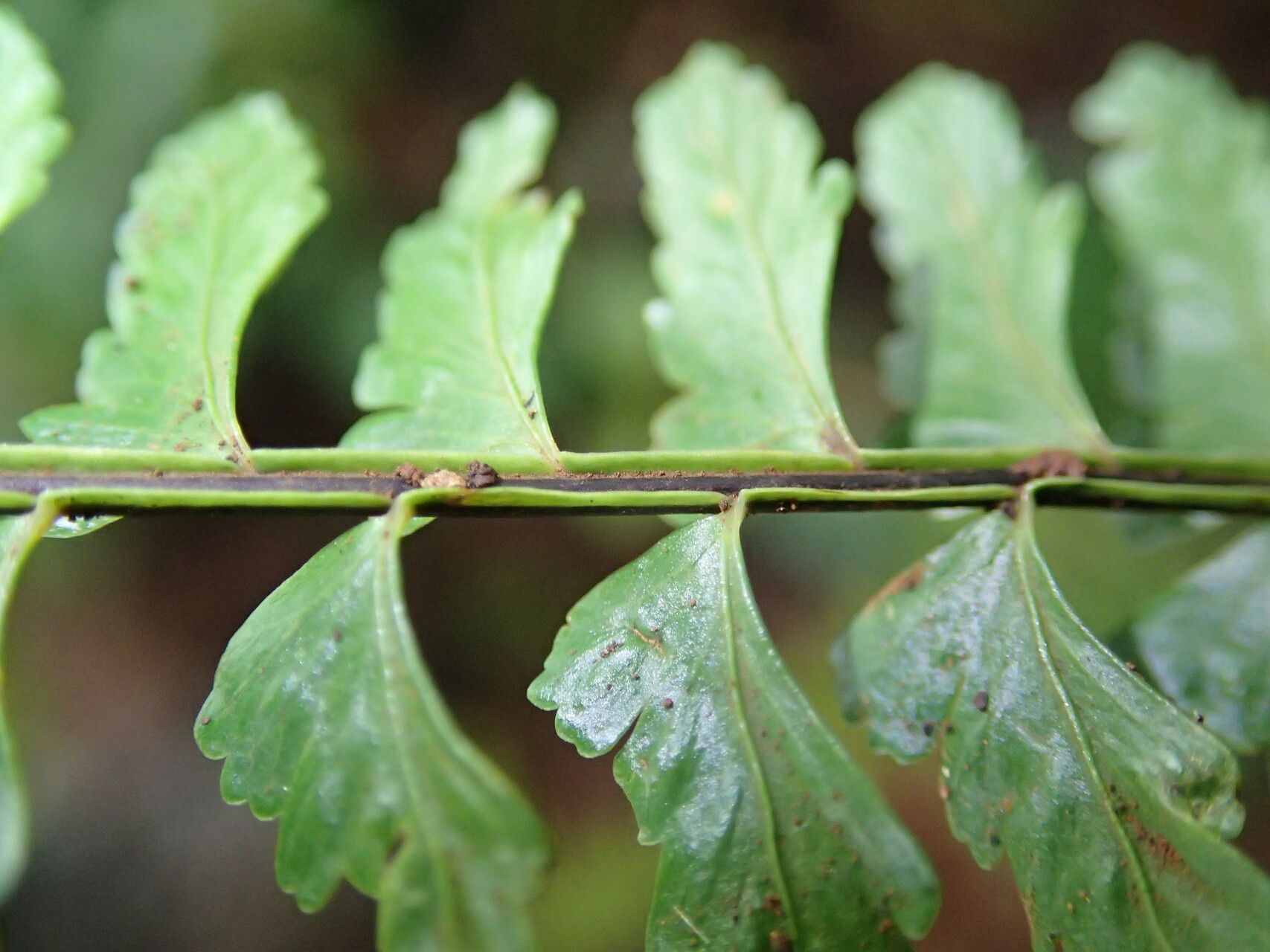
Propagating Asplenium erectum: A Guide to Cultivating the Rock Spleenwort
Introduction:
Asplenium erectum, commonly known as the rock spleenwort, is a captivating fern prized for its upright, leathery fronds and its ability to thrive in challenging environments. Its architectural form and tolerance of shade make it a desirable addition to rock gardens, woodland borders, and even container plantings. While relatively low-maintenance once established, propagating Asplenium erectum presents a unique set of challenges that can be immensely rewarding for the dedicated gardener. Its popularity stems from its hardiness and attractive foliage, motivating many to explore its propagation. The plant’s slow growth rate, however, necessitates efficient propagation techniques for wider cultivation.
Seed Germination:
Currently, there are no known reliable methods for seed germination propagation of Asplenium erectum. Spores are produced but germination rates are extremely low, if present at all, and the process is generally considered impractical for horticultural purposes.
Cuttings:
Cuttings are not a viable method for propagating Asplenium erectum. This fern does not readily root from stem or frond cuttings.
Division:
Division is the most successful and commonly practiced method for propagating Asplenium erectum.
Challenges: Mature plants often need to be quite large before division is feasible, limiting the number of propagules obtainable from a single plant. Care must be taken to avoid damaging the rhizomes during the process. Successful division also depends on providing appropriate conditions for the separated portions to re-establish themselves.
Practical Tips: The best time to divide Asplenium erectum is during the spring or early summer. Carefully dig up the entire plant, gently separating the rhizomes into sections, each containing several healthy fronds and actively growing rhizome segments. Plant each division in a well-drained, humus-rich soil in a shady or partially shaded location. Maintain consistent moisture without overwatering during the establishment phase.
Rewards: Division offers a relatively straightforward approach for increasing stock of this fern. It ensures that the resulting plants retain the characteristics of the parent plant.
Tissue Culture:
Tissue culture offers the potential for large-scale propagation of Asplenium erectum, overcoming the limitations of division.
Challenges: Tissue culture requires specialized equipment, sterile techniques, and a considerable amount of technical expertise. The process can be time-consuming and costly. Optimizing culture media for optimal growth and shoot development of Asplenium erectum will require experimentation.
Practical Tips: Successful tissue culture requires a controlled environment with sterile conditions to prevent contamination. The use of appropriate growth regulators and media formulations specific for fern tissue culture is essential.
Rewards: Tissue culture enables mass production of genetically identical plants from a single source, offering significant advantages for commercial propagation or the conservation of rare cultivars.
Conclusion:
Propagating Asplenium erectum presents distinct challenges across various methods. While seed germination and cuttings are ineffective, division offers a practical, albeit somewhat limited, approach for the home gardener. Tissue culture holds the most promise for large-scale propagation, but demands considerable skill and resources. The rewards, however, are substantial: the unique satisfaction of transforming a single plant into several thriving specimens through successful propagation. The careful patience required in cultivating this slow-growing fern is matched only by the beauty its resilience and attractive foliage offer. Whether through division or a more advanced tissue culture approach, the dedication to propagating Asplenium erectum will be rewarded by the presence of these elegant ferns in your garden for years to come. Don’t be discouraged by the challenges – embracing the learning curve and patiently tending to your plant will eventually lead to success.