
Propagating Asplundia dussii: A Gardener’s Challenge
Introduction:
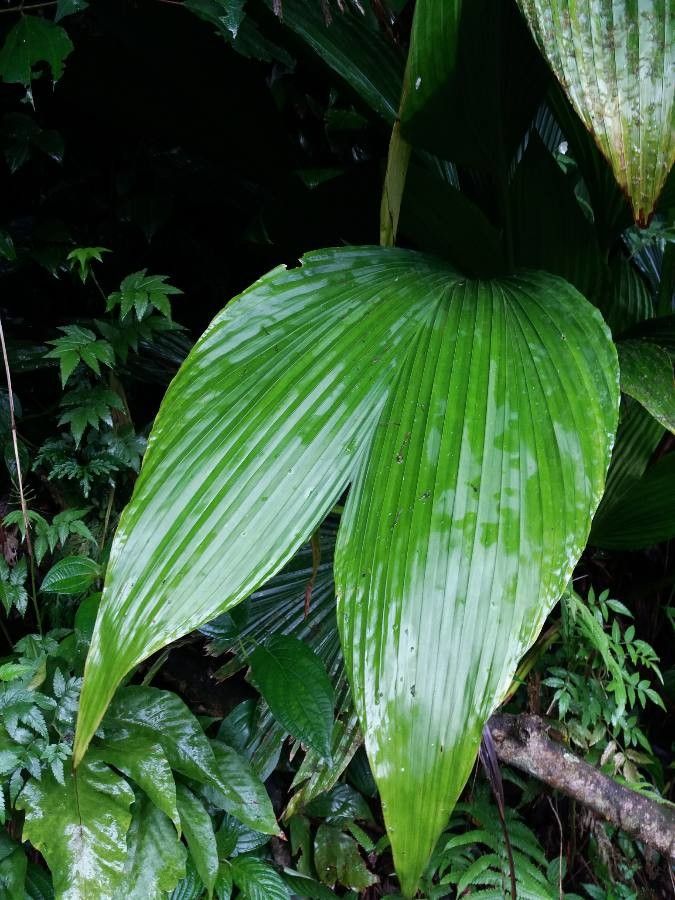
Asplundia dussii, a member of the Cyclanthaceae family, is a relatively understudied but fascinating tropical plant. While it lacks a widely used common name, its unique foliage and architectural form are gaining popularity among collectors and enthusiasts of unusual houseplants. Characterized by its strikingly patterned, deeply-lobed leaves and often sprawling habit, Asplundia dussii presents a unique challenge for propagation. Its relatively slow growth and specific environmental needs contribute to the difficulty, making successful propagation a rewarding accomplishment.
Seed Germination:
Currently, there are no known reliable methods for seed germination propagation of Asplundia dussii. While seed production may occur in its native habitat, obtaining viable seeds and achieving germination under cultivation has yet to be documented. Research into the specific germination requirements, including potential stratification needs, light exposure, and fungal susceptibility, is needed.
Cuttings:
The propagation of Asplundia dussii via cuttings shows promise but is also challenging.
Challenges: Cuttings are prone to rotting before root development due to their susceptibility to fungal diseases. Successfully rooting cuttings requires sterile conditions and a high humidity environment.
Practical Tips: Use a sharp, sterilized blade to take stem cuttings with at least two nodes. Apply a rooting hormone and plant in a well-draining, sterile propagation mix (e.g., perlite and sphagnum moss). Maintain high humidity (e.g., using a humidity dome or propagator) and consistently warm temperatures (around 25-28°C). Regularly check for signs of rot and promptly remove any affected tissues.
Rewards: Successful propagation from cuttings provides a relatively quick method to increase the number of plants, compared to other methods.
Division:
Division of Asplundia dussii is a viable, though limited, propagation method.
Challenges: Asplundia dussii, depending on its growth habit, may not readily lend itself to division. Dividing the plant risks damaging the root system, leading to the death of both the parent and offspring plants. A mature plant with substantial root development is necessary.
Practical Tips: Division should only be attempted on healthy, relatively large specimens during the active growth phase. Divide the plant carefully, ensuring each division retains a significant portion of the root system and leaves. Repot the divisions in a well-draining potting mix and provide consistent moisture.
Rewards: Division is a relatively straightforward technique when successfully performed, rapidly increasing plant numbers. Because it propagates genetically identical plants, desirable traits are preserved.
Tissue Culture:
Tissue culture presents a potential yet unexplored avenue for propagating Asplundia dussii.
Challenges: The optimal media composition, hormonal treatments, and sterile techniques specific to Asplundia dussii remain largely unknown, therefore requiring dedicated research. Establishment of a sterile protocol is crucial to prevent contamination and loss of plant material.
Practical Tips: This method requires specialized laboratory equipment and expertise in plant tissue culture techniques. Success would depend on identifying the appropriate plant growth regulators for optimal shoot multiplication and root induction.
Rewards: Tissue culture is an exceptionally efficient method for large-scale propagation, and it allows for the production of disease-free plants, ensuring propagation of consistent and high-quality stock.
Conclusion:
Propagating Asplundia dussii presents various challenges across all methods. Seed germination remains unproven. Cuttings and division offer viable options but require specific conditions and careful handling to succeed. Tissue culture, while potentially highly effective, needs further research to establish reliable protocols. The rewards, however, are significant: successfully cultivating this unique plant brings immense satisfaction, underscoring the unique value of mastering plant propagation. For aspiring propagators, patience, meticulous attention to detail, and a willingness to experiment are key. Don’t be discouraged by initial setbacks; the joy of nurturing a new Asplundia dussii from a cutting or division far outweighs the effort.