
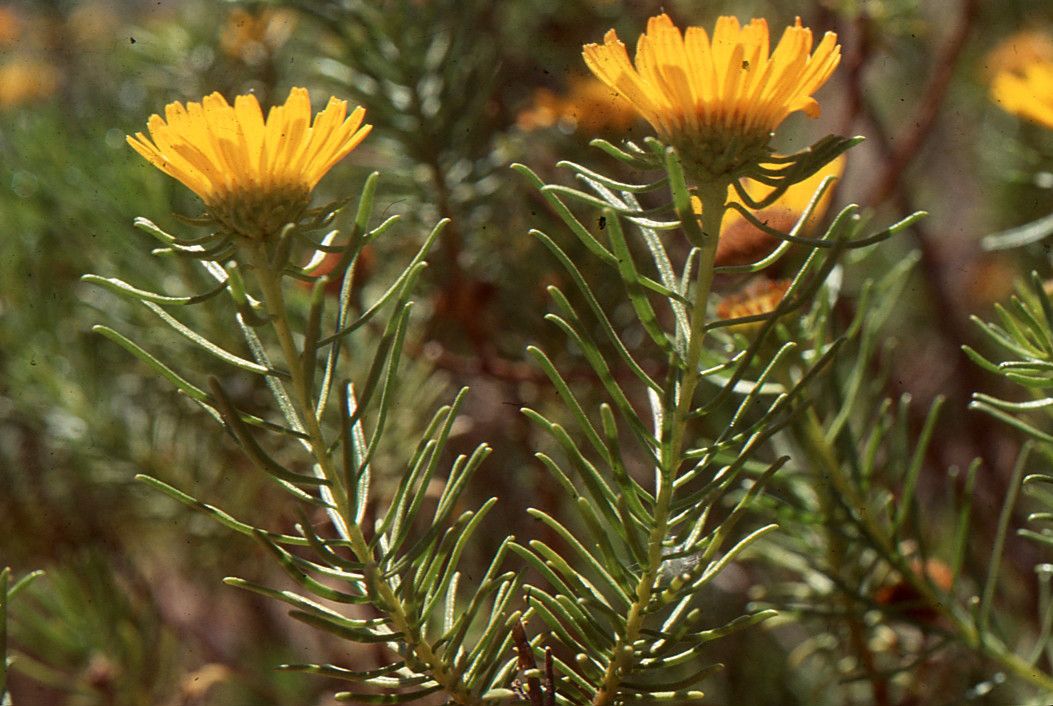
Propagating the Golden-eyed Daisy: A Guide to Asteriscus pinifolius
Introduction:
Asteriscus pinifolius, commonly known as the Golden-eyed Daisy, is a charming, low-growing perennial boasting bright yellow, daisy-like flowers and attractive, needle-like foliage. Its drought tolerance and ability to thrive in full sun make it a prized addition to rock gardens, borders, and containers, contributing a splash of sunny color to any landscape. Its popularity among gardeners stems from its relatively easy maintenance and striking appearance. However, propagation can present some unique challenges, making successful cultivation all the more rewarding.
Seed Germination:
Currently, there are no known reliable methods for seed germination propagation of Asteriscus pinifolius. While seed production does occur, germination rates are notoriously low, and achieving consistent success is difficult even under controlled conditions. Further research into specific germination requirements may be needed for this propagation method to become viable.
Cuttings:
Cuttings represent a more reliable method for propagating Asteriscus pinifolius.
Challenges: The primary challenge lies in striking a balance between maintaining sufficient moisture to encourage root development and preventing rot. Overwatering is a significant risk.
Practical Tips: Semi-hardwood cuttings taken in late summer or early autumn offer the best success rate. Use a sharp, clean knife or shears to take 4-6 inch cuttings, removing lower leaves to prevent rot. Dip the cut ends in rooting hormone powder before planting in a well-draining propagation mix (e.g., a mix of perlite and vermiculite). Maintain consistently moist but not soggy conditions, ideally under a humidity dome or misting regularly. Propagation under mist is beneficial. Successful rooting typically occurs within 4-6 weeks.
Rewards: This method provides a relatively quick means of increasing the number of plants, preserving desirable traits from a mother plant while maintaining its genetic uniformity. It’s particularly suitable for gardeners with limited space.
Division:
Division is another feasible propagation method for Asteriscus pinifolius, particularly for established plants.
Challenges: Careful handling is crucial to avoid damaging the root system, which can hinder establishment. Divisions that are too small may struggle to re-establish.
Practical Tips: The best time for division is in spring or early autumn. Gently dig up the plant and carefully separate it into smaller sections, ensuring each division has healthy roots and several shoots. Replant the divisions immediately in well-prepared soil, providing them with adequate watering until they become established.
Rewards: Division is a simple and effective method for propagating established plants, yielding quick results and expanding your garden with minimal effort. It is a cost-effective method that doesn’t require specialized equipment.
Tissue Culture:
Tissue culture is a technically advanced method that holds potential for large-scale propagation of Asteriscus pinifolius, but it requires specialized equipment and expertise.
Challenges: Establishing a sterile environment and identifying the optimal growth media and hormone concentrations are significant challenges. The process is time-consuming and requires specialized knowledge.
Practical Tips: This method is best left to professional nurseries or individuals with considerable experience in plant tissue culture. The use of specialized growth media and hormone blends is crucial.
Rewards: Tissue culture offers the potential for mass propagation, enabling the production of a large number of genetically identical plants from a single source. This method is particularly useful for the preservation of rare or disease-resistant cultivars.
Conclusion:
Propagating Asteriscus pinifolius presents varying degrees of difficulty across the available methods. While seed germination proves unreliable, cuttings and division offer accessible and rewarding alternatives, each with its own set of challenges and rewards. Tissue culture, though demanding, holds promise for large-scale propagation. The unique satisfaction of successfully cultivating this sun-loving plant, despite the hurdles involved, underscores the joy of gardening and the persistence that often leads to horticultural triumph. For beginners, cuttings provide a great starting point; for those seeking more advanced techniques, exploration into division could also prove rewarding. Embrace patience and perseverance—your efforts will be handsomely rewarded with the cheerful blooms of the Golden-eyed Daisy.
