
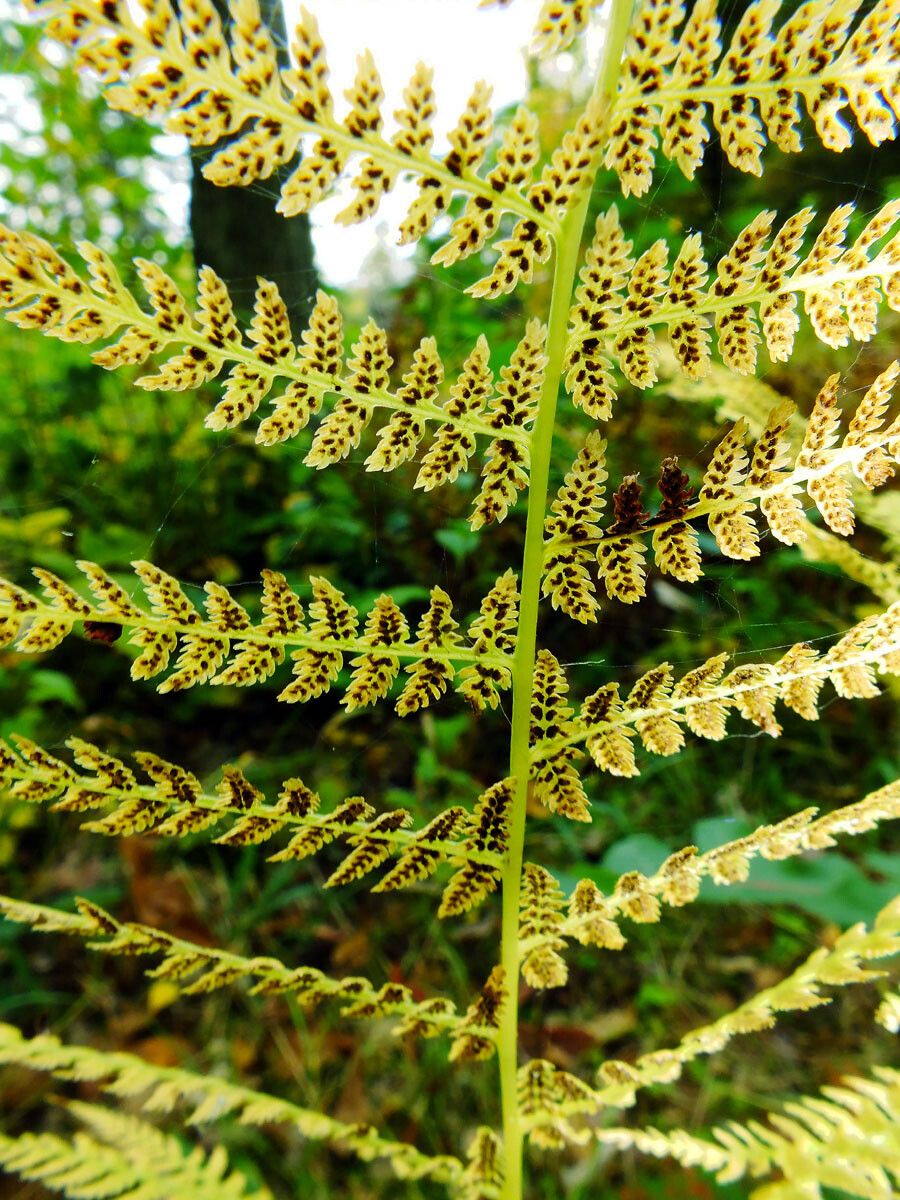
Propagating the Blunt-lobed Wood Fern (Athyrium distentifolium): A Gardener’s Guide
Introduction
Athyrium distentifolium, commonly known as the Blunt-lobed Wood Fern, is a captivating fern prized for its striking bluish-green, almost glaucous fronds and unique, blunt-lobed leaf segments. Its tolerance of a wide range of conditions, from acidic bogs to rocky slopes, makes it a popular choice amongst gardeners seeking an attractive and hardy addition to their shade gardens. However, its propagation presents unique challenges, making successful cultivation all the more rewarding. Unlike some ferns that readily spread through rhizomes, Athyrium distentifolium requires a more considered approach.
Seed Germination
Currently, there are no known reliable methods for seed germination propagation of Athyrium distentifolium. Spores are produced, but germination rates are extremely low and unpredictable, even under controlled laboratory conditions. The complex germination requirements and high susceptibility to fungal diseases typically make seed propagation impractical for home gardeners.
Cuttings
Propagating Athyrium distentifolium from cuttings is also generally unsuccessful. Unlike some ferns that can regenerate from stem or frond cuttings, this species does not readily root from fragments. Attempts at this method typically lead to decay rather than new growth.
Division
Division is the most reliable and practical method for propagating Athyrium distentifolium. This involves carefully separating established clumps into smaller portions, each with a healthy section of rhizome and several fronds.
Challenges: The rhizomes are relatively fragile, thus requiring a gentle hand to avoid damage. Divisions should be made during the early spring or late summer when the fern is actively growing but not under significant stress from heat or drought.
Practical Tips: Use a sharp, clean knife or spade to divide the clump. Ensure each division has sufficient root mass and several healthy fronds. Plant the divisions immediately in moist, well-draining soil, keeping them shaded and consistently moist until they establish new growth.
Rewards: Division is relatively straightforward and offers a high success rate, quickly increasing the number of plants. It maintains the existing genetic traits of the parent plant.
Tissue Culture
Tissue culture offers a potential, though technically demanding, method for propagating Athyrium distentifolium. This laboratory-based technique involves growing plantlets from sterile tissue samples under controlled conditions.
Challenges: Tissue culture requires specialized equipment, sterile techniques, and a detailed understanding of plant hormone applications. It’s not a feasible method for the average home gardener. Developing sterile cultures and finding optimal growth media require considerable experimentation.
Practical Tips: This method is best left to professionals or specialized nurseries with the necessary resources and expertise.
Rewards: Tissue culture offers the potential for large-scale propagation and the elimination of diseases. It allows for genetic preservation and the creation of clonal copies of superior specimens.
Conclusion
Propagating Athyrium distentifolium presents a challenge, with seed and cutting propagation proving unreliable. Division offers the most practical and rewarding method for the average gardener. While tissue culture holds potential, its complexity makes it unsuitable for most enthusiasts. The difficulties involved, however, only amplify the satisfaction derived from successfully increasing your stock of this beautiful fern. The resilience and subtle beauty of the Blunt-lobed Wood Fern make the effort worthwhile for any dedicated gardener willing to embrace the necessary care and patience involved in propagation. Remember that providing the right conditions—shade, moisture, and well-draining soil—is critical to both propagation success and the overall health of your plants. Don’t be discouraged if your first attempt isn’t perfect – with persistence, you too can enjoy the rewards of cultivating this unique and fascinating fern.