
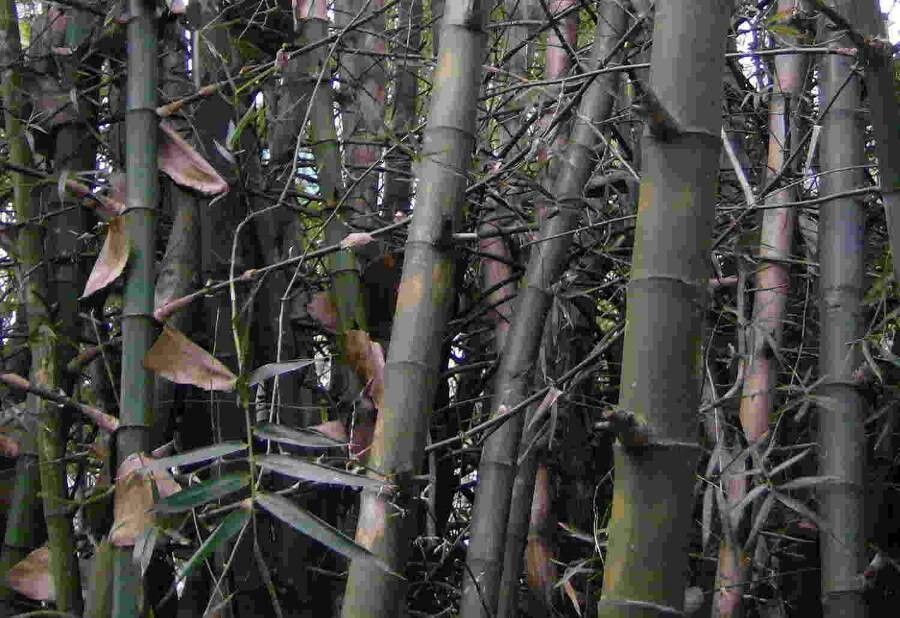
Propagating Bambusa spinosa: A Thorny but Rewarding Endeavor
Bambusa spinosa, commonly known as thorny bamboo or spiny bamboo, is a robust and visually striking species of bamboo prized for its strong culms (stems) and distinctive, spiny branches. Its resilience and rapid growth make it a popular choice for hedging, screening, and even erosion control. However, its propagation presents unique challenges compared to some other bamboo varieties, demanding patience and a nuanced approach.
Seed Germination:
Currently, there are no known reliable methods for seed germination propagation of Bambusa spinosa. While Bambusa species can produce seeds, B. spinosa is predominantly a clonal species, meaning it reproduces more effectively through vegetative methods. The seeds, if produced, often exhibit low viability and germination rates. Therefore, relying on seed germination for propagating this species is generally not recommended.
Cuttings:
Cuttings represent a more viable method for propagating Bambusa spinosa. However, success hinges on meticulous technique.
- Challenges: The optimal time for taking cuttings is during the active growing season. Failure to create a proper environment for rooting, including sufficient humidity and warmth, is a significant challenge. Fungal infections can also impact the success rate.
- Practical Tips: Utilize culm cuttings (sections of the mature stem) measuring approximately 1-2 feet in length. Treat the cut ends with a rooting hormone to stimulate root development. Plant the cuttings in a well-draining, moist medium, such as a mix of perlite and peat moss. Maintain high humidity using a propagator or humidity dome. Consistent warmth (around 70-75°F) is crucial. Regular misting helps prevent dehydration.
- Rewards: Cuttings propagation offers a relatively straightforward method to obtain genetically identical plants, preserving desirable traits. It’s suitable for both small-scale and moderate propagation efforts.
Division:
Division of established clumps is another effective propagation technique for Bambusa spinosa.
- Challenges: Dividing a mature clump requires physical effort and careful handling to avoid damaging the rhizomes. Incorrect division can result in the death of some sections. The size and age of the clump significantly influence the success of division.
- Practical Tips: The best time for division is during the dormant season (late autumn or early spring). Dig out a portion of the clump, ensuring each divided section contains healthy rhizomes and several culms. Replant the divisions immediately into well-prepared soil, ensuring proper spacing. Water thoroughly after planting.
- Rewards: Division allows for the rapid increase of plant numbers, provided the parent plant is large and vigorous enough. It’s a relatively quick way to expand a Bambusa spinosa planting.
Tissue Culture:
Tissue culture offers a potentially high-yield method for propagating Bambusa spinosa, yet it requires specialized laboratory equipment and techniques.
- Challenges: Establishing a sterile environment free from contaminants is crucial. The process requires careful selection of explant material, a precise nutrient medium, and meticulous aseptic techniques to prevent contamination and ensure successful shoot multiplication and rooting. This method requires significant expertise and investment.
- Practical Tips: This method is best left to specialized nurseries with the proper facility and experience. The process involves sterilizing plant tissue, culturing it on a nutrient agar, subculturing to rapidly multiply shoots, and then rooting the shoots before transplanting to soil.
- Rewards: Tissue culture offers the possibility of mass propagation, disease-free plants, and the preservation of germplasm for future use. It’s the most efficient method for large-scale propagation.
Conclusion:
Propagating Bambusa spinosa presents a unique set of challenges depending on the chosen method. While seed germination is not a viable option, cuttings and division allow successful propagation on a moderate scale, requiring patience and attention to detail. Tissue culture provides the potential for large-scale propagation but demands significant investment and expertise. The rewards, however, are well worth the effort: successfully cultivating this striking bamboo species from a cutting or division brings a profound sense of accomplishment, highlighting the unique satisfaction of nurturing life from a small piece of a larger whole. Don’t be deterred by the apparent difficulties; with careful planning and execution, even aspiring propagators can enjoy the beauty and resilience of Bambusa spinosa in their gardens.