
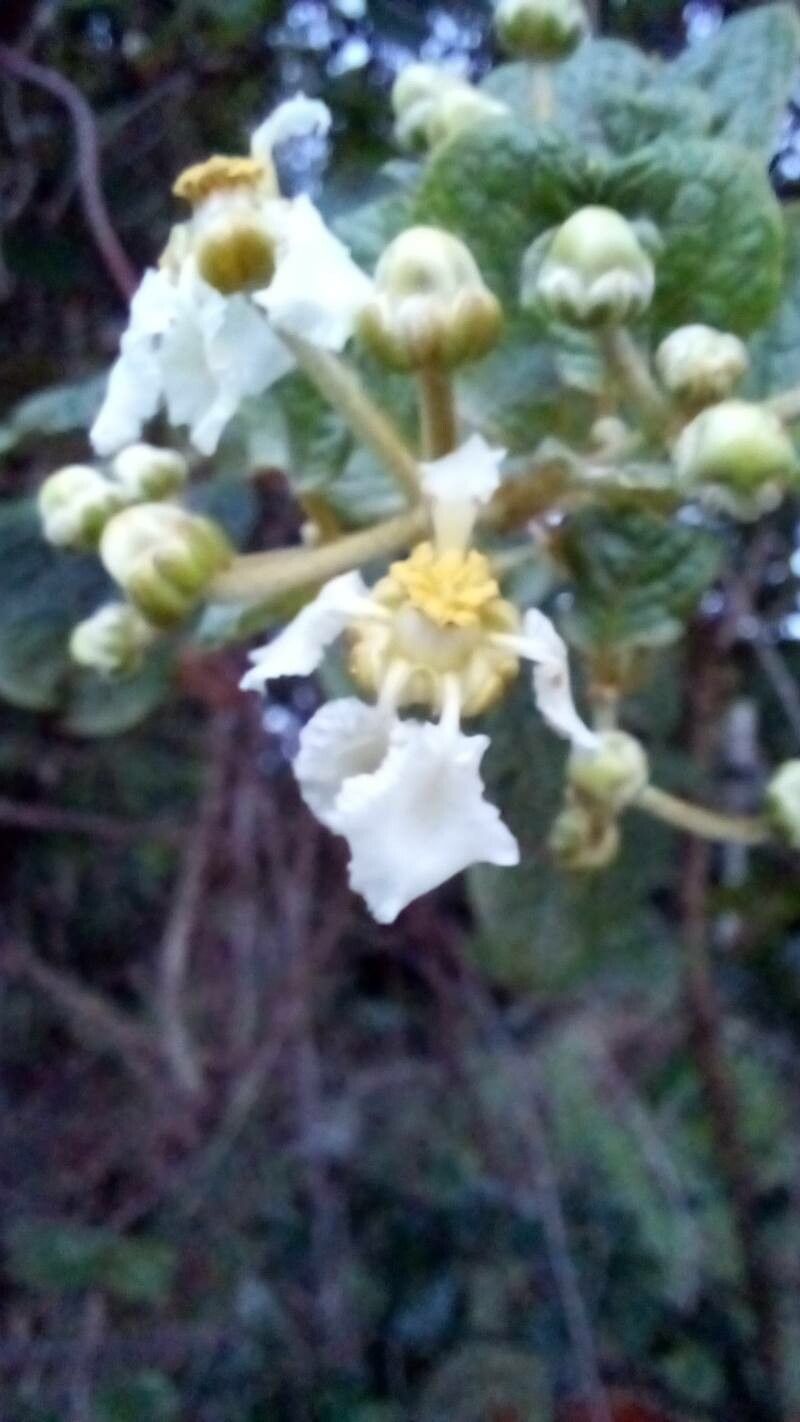
Propagating Banisteriopsis argyrophylla: A Guide to Cultivating the Silver-Leaved Vine
Introduction
Banisteriopsis argyrophylla, also known as the silver-leaved caapi or silver vine, is a fascinating and increasingly popular climbing plant in the Malpighiaceae family. Its distinctive silvery-green foliage, combined with its relatively fast growth, makes it a desirable addition to conservatories, greenhouses, and even outdoor gardens in suitable climates. While its horticultural significance might not yet rival more common vines, its unique appearance and potential for use in specialized horticultural displays contributes to its growing popularity among passionate gardeners. However, propagating B. argyrophylla presents certain challenges, making successful cultivation a rewarding accomplishment.
Seed Germination
Currently, there are no known reliable methods for seed germination propagation of Banisteriopsis argyrophylla. While seeds may be produced, their viability is extremely low, and germination rates, even under optimal laboratory conditions, have not been successfully documented. Further research is necessary to determine if specific pretreatment techniques (such as scarification or stratification) could improve germination success.
Cuttings
Cuttings offer a more reliable method of propagating Banisteriopsis argyrophylla.
Challenges: Success with stem cuttings is dependent on several factors, including the timing (semi-hardwood cuttings taken in late spring or early summer are ideal), the use of rooting hormone, and maintaining consistently high humidity and warmth. Excessive moisture can lead to rot, while insufficient humidity inhibits root development.
Practical Tips: Take 4-6 inch long cuttings from healthy, actively growing stems, removing lower leaves to prevent rot. Dip the cut ends in rooting hormone and plant in a well-draining, sterile medium such as a perlite and vermiculite mix. Cover the cuttings with a clear plastic dome or bag to maintain high humidity. Provide bottom heat (approximately 70-75°F) to stimulate root formation. Regular misting may be necessary to maintain humidity.
Rewards: Cuttings provide a relatively quick method of propagation, allowing for the rapid multiplication of desirable plants. While genetic diversity isn’t introduced, this method allows for the preservation of valuable traits from a mother plant.
Division
Division is not a practical method for propagating Banisteriopsis argyrophylla. This vine doesn’t readily form easily separable clumps or rhizomes suitable for division.
Tissue Culture
Tissue culture offers the potential for large-scale propagation and the production of disease-free plants.
Challenges: Establishing a successful tissue culture protocol for Banisteriopsis argyrophylla requires specialized knowledge, equipment, and a sterile environment. Finding suitable media formulations and growth regulators can be challenging and requires experimentation. Contamination is a significant risk.
Practical Tips: This method is best left to experienced tissue culture laboratories. The establishment of aseptic cultures, selection of appropriate media, and optimization of hormonal balances are critical for successful propagation.
Rewards: Tissue culture offers the possibility of mass propagation, allowing for the widespread distribution of this desirable plant. Disease-free plantlets can also be produced, ensuring high quality planting material.
Conclusion
Propagating Banisteriopsis argyrophylla presents unique challenges across all methods. While seed propagation is unreliable, cuttings offer a reasonably successful approach for the home gardener with patience and the right technique. Tissue culture provides a more advanced albeit complex method for large-scale production. The relative difficulty in propagation, however, only adds to the satisfaction of successfully cultivating these beautiful vines. The silvery shimmer of the leaves, rewardingly earned through perseverance, makes the effort worthwhile for those willing to dedicate the time and attention required. Don’t be discouraged by initial setbacks – experimentation and persistence are key to success in propagating this striking plant.