
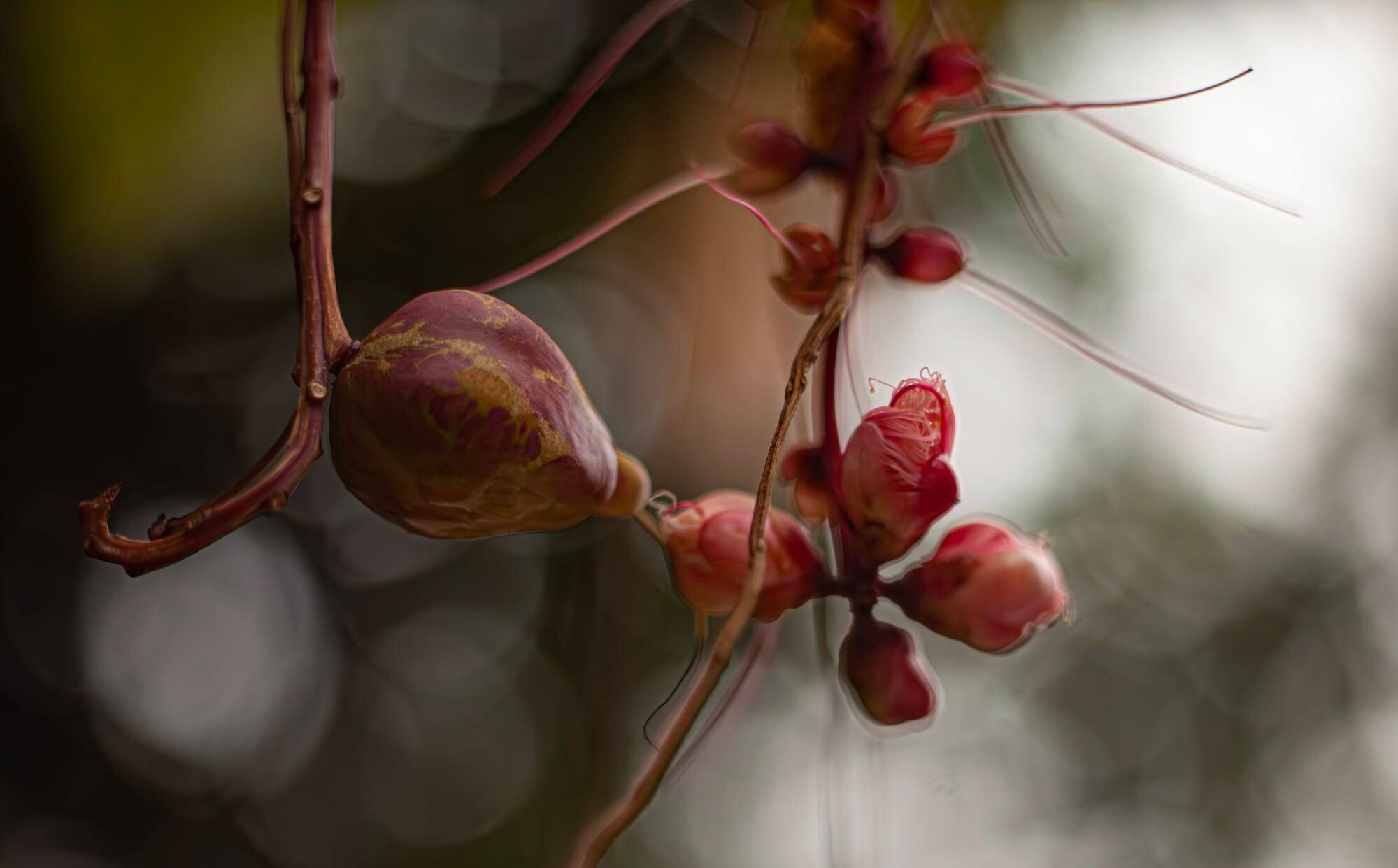
Propagating Barringtonia racemosa: The Coastal Delight
Barringtonia racemosa, also known as the poison-nut tree or sea poison tree, is a striking tropical evergreen tree prized for its beautiful, drooping racemes of pink or white flowers and its ability to thrive in coastal areas. Its unique adaptability to saline conditions and its visually stunning blooms make it a popular choice amongst gardeners, particularly those with waterfront properties. However, propagation can present unique challenges. This article explores various methods for propagating Barringtonia racemosa, weighing their challenges and rewards.
Seed Germination:
Currently, there are no known reliable methods for seed germination propagation of Barringtonia racemosa. While seeds are produced, their viability is reportedly very low, and germination rates are extremely poor, even under ideal conditions. Further research is needed to explore potentially successful germination techniques.
Cuttings:
Cuttings offer a more viable approach to propagating Barringtonia racemosa. However, challenges still exist.
Challenges: The success rate of rooting cuttings can be variable, depending on factors such as the age and health of the parent plant, the timing of the cutting, and the rooting medium used. Some sources indicate difficulty in achieving high rooting percentages.
Practical Tips: Semi-hardwood cuttings taken during the late spring or early summer, after active growth has slowed but before full dormancy, often yield better results. The cuttings should be approximately 6-8 inches long, with lower leaves removed to minimize water loss. Using a rooting hormone can significantly improve success rates. Planting in a well-draining medium, such as a mix of perlite and peat moss, and maintaining high humidity (e.g., through misting or using a humidity dome) are crucial.
- Rewards: Successful propagation from cuttings allows for the replication of desirable genetic traits from a parent plant, offering a quicker way to obtain mature plants compared to growing from seed (were that even feasible). This method also bypasses the unpredictable germination phase.
Division:
Division is generally not a feasible method for propagating Barringtonia racemosa. This tree develops a substantial and deep root system, making division extremely difficult and often damaging to the plant.
Tissue Culture:
Tissue culture offers a potentially high-yield method for propagating Barringtonia racemosa, bypassing the issues associated with seed germination and cuttings.
Challenges: Establishing a successful tissue culture protocol for Barringtonia racemosa requires specialized knowledge, equipment, and a controlled laboratory environment. It is a costly and technically demanding process.
Practical Tips: In vitro techniques are required. This would involve sterilizing plant material, culturing on appropriate media containing plant hormones, and then gradually acclimating the plantlets to ex vitro conditions. This process requires expertise in plant tissue culture.
- Rewards: Tissue culture offers a significant advantage through the potential for large-scale propagation, ensuring genetically uniform plants and a consistent supply of planting material. It significantly increases the chances of success compared to other propagation methods.
Conclusion:
Propagating Barringtonia racemosa presents unique challenges, with seed germination proving unreliable. Cuttings offer a more practical approach, albeit with a variable success rate. The most promising approach, though demanding, is tissue culture. The rewards of successfully cultivating this magnificent tree, however, are significant – successfully propagated plants reward the grower with their striking flowers and inherent beauty. The effort involved in overcoming these challenges adds a unique layer of satisfaction, making the final result even more gratifying. For aspiring propagators, patience, persistence, and a willingness to experiment with different techniques will greatly increase the chances of success. Consider starting with cuttings and exploring tissue culture if access and resources permit.