
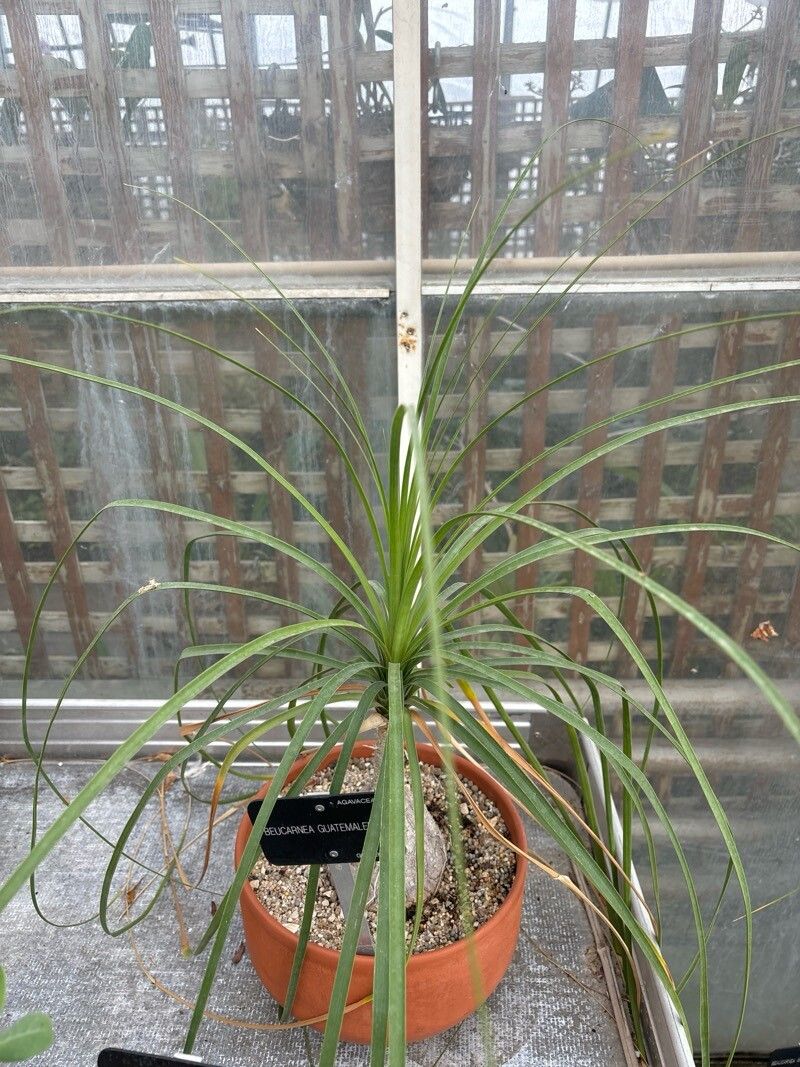
Propagating the Guatemalan Elephant-Foot Tree: A Guide to Beaucarnea guatemalensis
Introduction:
Beaucarnea guatemalensis, commonly known as the Guatemalan elephant-foot tree or simply Guatemalan Beaucarnea, is a captivating succulent prized for its striking appearance. Characterized by a swollen, caudex-like base that stores water, and a crown of long, strap-like leaves, it’s a highly sought-after plant among succulent enthusiasts. Its relatively slow growth and unique aesthetic contribute to its popularity, but procuring new plants can be challenging. This guide explores the various methods of propagating Beaucarnea guatemalensis, outlining the challenges and rewards associated with each.
Seed Germination:
Currently, there are no known reliable methods for seed germination propagation of Beaucarnea guatemalensis. While seeds may be produced, germination rates are exceptionally low, and successful seedling establishment is extremely rare in cultivation. Further research is needed to determine the optimal conditions for germination, if any exist.
Cuttings:
Cuttings represent a more promising, albeit still challenging, propagation method for Beaucarnea guatemalensis.
Challenges: The primary challenge lies in the low rooting success rate. The thick, woody stems are resistant to rooting, and rot is a significant risk if not handled carefully.
Practical Tips: Use only healthy, mature stems for cuttings. Take basal cuttings (cuttings from the base of the plant) if possible. Allow the cuttings to callous over for several days to a week before planting. Use a well-draining propagation mix (e.g., cactus and succulent potting mix). Apply a rooting hormone to increase success rates, and keep the propagation environment warm and humid but well-ventilated to prevent rot. Bottom heat can also improve success.
Rewards: Successful rooting of cuttings offers a relatively faster method of propagation compared to other methods if successful, yielding genetically identical offspring.
Division:
Division of established Beaucarnea guatemalensis plants is possible, but rarely practiced.
Challenges: The extremely slow growth rate of the plant makes the opportunity to divide a large specimen extremely infrequent, and the risk of damaging the parent plant is high.
Practical Tips: Division should only be attempted on very large, mature plants and only when necessary. Use a very sharp, sterile knife or saw to divide the caudex, ensuring each division has a substantial portion of the root system. Allow the cut surfaces to callous over before planting.
Rewards: Division offers a quicker way to increase the number of plants than cuttings provided a suitable specimen is available. The resulting plants will be genetically identical to the parent plant.
Tissue Culture:
Tissue culture provides a potentially high-yield propagation method for Beaucarnea guatemalensis.
Challenges: Tissue culture requires specialized equipment, a sterile environment, and specialized knowledge of plant tissue culture techniques. It is expensive to establish and maintain.
Practical Tips: Finding a laboratory or expert specializing in succulent tissue culture is necessary. Success hinges on selecting healthy, disease-free plant material and maintaining aseptic conditions throughout the process.
Rewards: Tissue culture offers the potential for large-scale propagation of genetically identical plants, making it a viable option for commercial production and conservation efforts.
Conclusion:
Propagating Beaucarnea guatemalensis presents considerable challenges. While seed germination appears impractical at present, cuttings and division offer possibilities with caveats, demanding patience, careful technique, and a high tolerance for failure. Tissue culture holds the most promise for large-scale propagation but requires significant investment and specialized expertise. The satisfaction of successfully cultivating this striking plant, however, is well worth the effort. The unique challenges encourage the grower to carefully learn plant needs and hone propagation and cultivation skills. For aspiring propagators, persistence and attention to detail are key to achieving success. Start with cuttings, employing the tips outlined above, and remember that even small progress is a victory in the slow world of Beaucarnea guatemalensis propagation.