
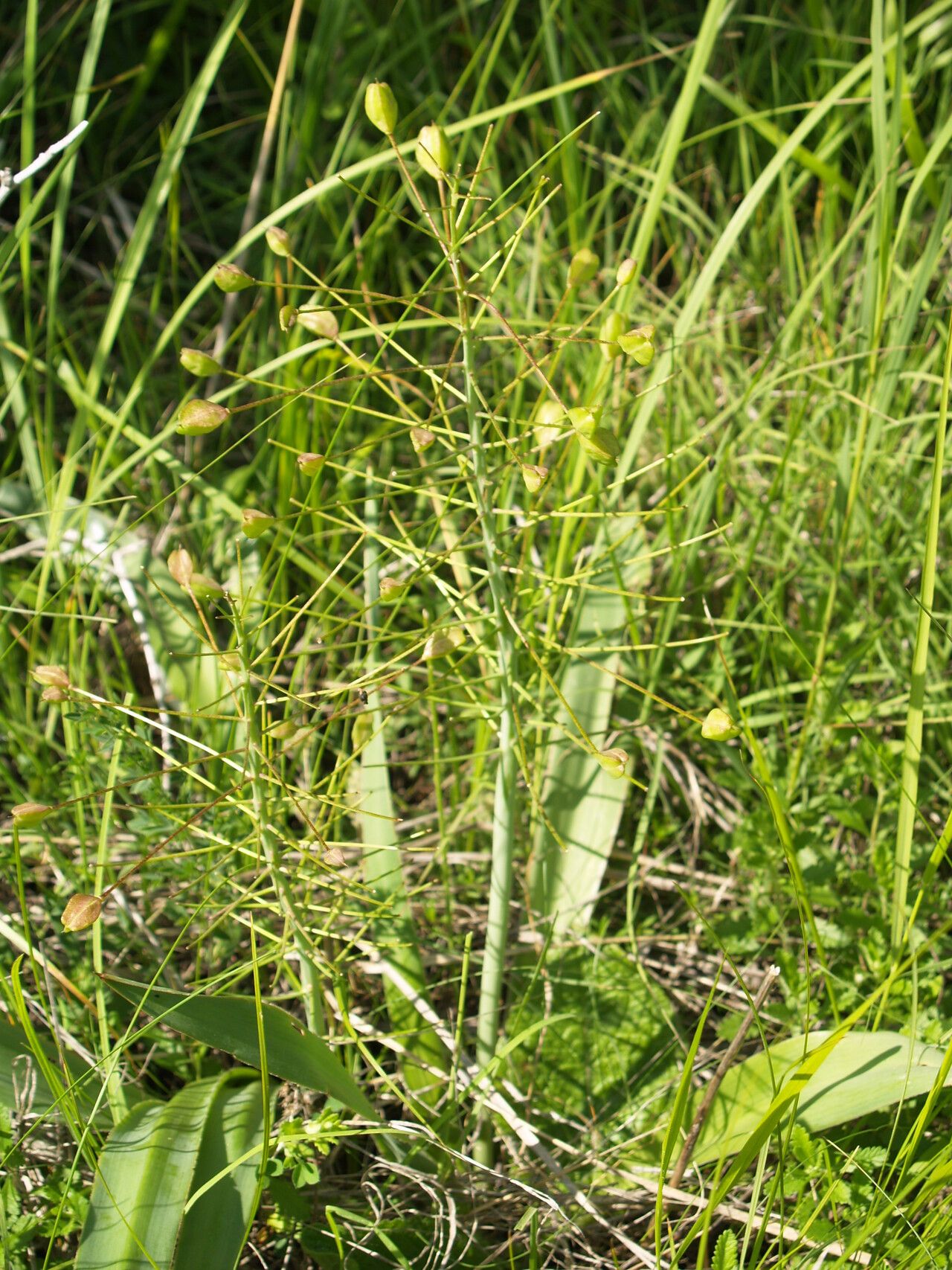
Propagating Bellevalia speciosa: Unveiling the Secrets of the Grape Hyacinth
Introduction:
Bellevalia speciosa, also known as the large-flowered Bellevalia or sometimes simply as a type of grape hyacinth due to its resemblance, is a captivating bulbous plant prized for its striking, pendulous racemes of bell-shaped flowers in shades of purple, blue, and white. Its relatively compact size and beautiful blooms make it a popular addition to rock gardens, borders, and even containers. However, its propagation isn’t always straightforward, presenting a unique challenge and reward for the dedicated gardener. The lack of readily available propagation information adds to its allure.
Seed Germination:
Seed germination in Bellevalia speciosa is possible but presents considerable challenges. While the plant does produce seeds, their germination rate is often low and inconsistent. Several factors contribute to this: a hard seed coat requiring scarification, a need for cool, moist stratification to mimic winter conditions, and the potential for fungal diseases to decimate seedlings.
Challenges: Low germination rate, hard seed coat, susceptibility to damping-off.
Practical Tips: Scarify seeds (lightly nick the seed coat) before sowing. Stratify seeds for 8-12 weeks at temperatures between 3-5°C (37-41°F) in a moist medium (e.g., vermiculite mixed with peat). Sow seeds in well-draining seed-starting mix in a cool, bright location. Maintain consistent moisture, avoiding waterlogging.
Rewards: The greatest reward is the genetic diversity obtained from seed-grown plants. This offers the possibility of unique color variations and increased hardiness in comparison to the parent plant, though this is not guaranteed. Successful seed propagation allows for large-scale propagation, potentially enabling distribution to many gardeners.
Cuttings:
Currently, there are no known reliable methods for propagating Bellevalia speciosa from cuttings. Bulbs, unlike many other plants, do not readily regenerate from stem or leaf cuttings. Their growth relies on a well-developed underground structure.
Division:
Division is a viable and relatively successful method for propagating Bellevalia speciosa. This is best done after the plant has finished flowering and the foliage begins to yellow, typically in late spring or early summer.
Challenges: Careful handling of the bulbs is crucial to avoid damage. Overcrowding of the divided bulbs can hinder their growth.
Practical Tips: Gently lift the bulb clump from the ground. Carefully separate the individual bulbs, ensuring each has sufficient roots and a healthy portion of stem base. Replant these offsets immediately into well-drained soil, spacing them appropriately.
Rewards: Division offers a quicker and more reliable method of increasing plant numbers compared to seed germination and creates genetically identical plants to the mother plant. This allows easy propagation of particularly prized cultivars.
Tissue Culture:
While not commonly practiced by home gardeners, tissue culture presents a potential avenue for large-scale propagation of Bellevalia speciosa. This method would offer sterile conditions to minimize the problems associated with seed germination and allow for rapid multiplication of desirable plants.
Challenges: Requires specialized equipment, a clean sterile environment, and a knowledge of plant tissue culture techniques. It can be costly and time-consuming.
Practical Tips: This method requires specialized laboratory conditions and expertise. It’s best left to plant tissue culture labs or experienced professionals.
Rewards: Rapid multiplication of genetically identical plants, potentially allowing for wholesale propagation of superior cultivars.
Conclusion:
Propagating Bellevalia speciosa presents unique challenges and rewards. While seed germination offers the allure of genetic diversity but suffers from low success rates, division provides a dependable, if less diverse, method for increasing plant numbers. Cuttings simply aren’t viable. Tissue culture holds promise for large-scale propagation but is beyond the scope of most home gardeners. The effort required – whether it involves patiently coaxing seedlings from seed or meticulously dividing bulbs – underscores the deep satisfaction of successfully cultivating this beautiful plant. The sense of accomplishment derived from seeing your propagated Bellevalia speciosa flourish in your garden is well worth the perseverance. Don’t be discouraged by initial setbacks, embrace the learning process, and relish the beauty that awaits your patience and dedication.