
Propagating Berberis francisci-ferdinandi: A Gardener’s Guide
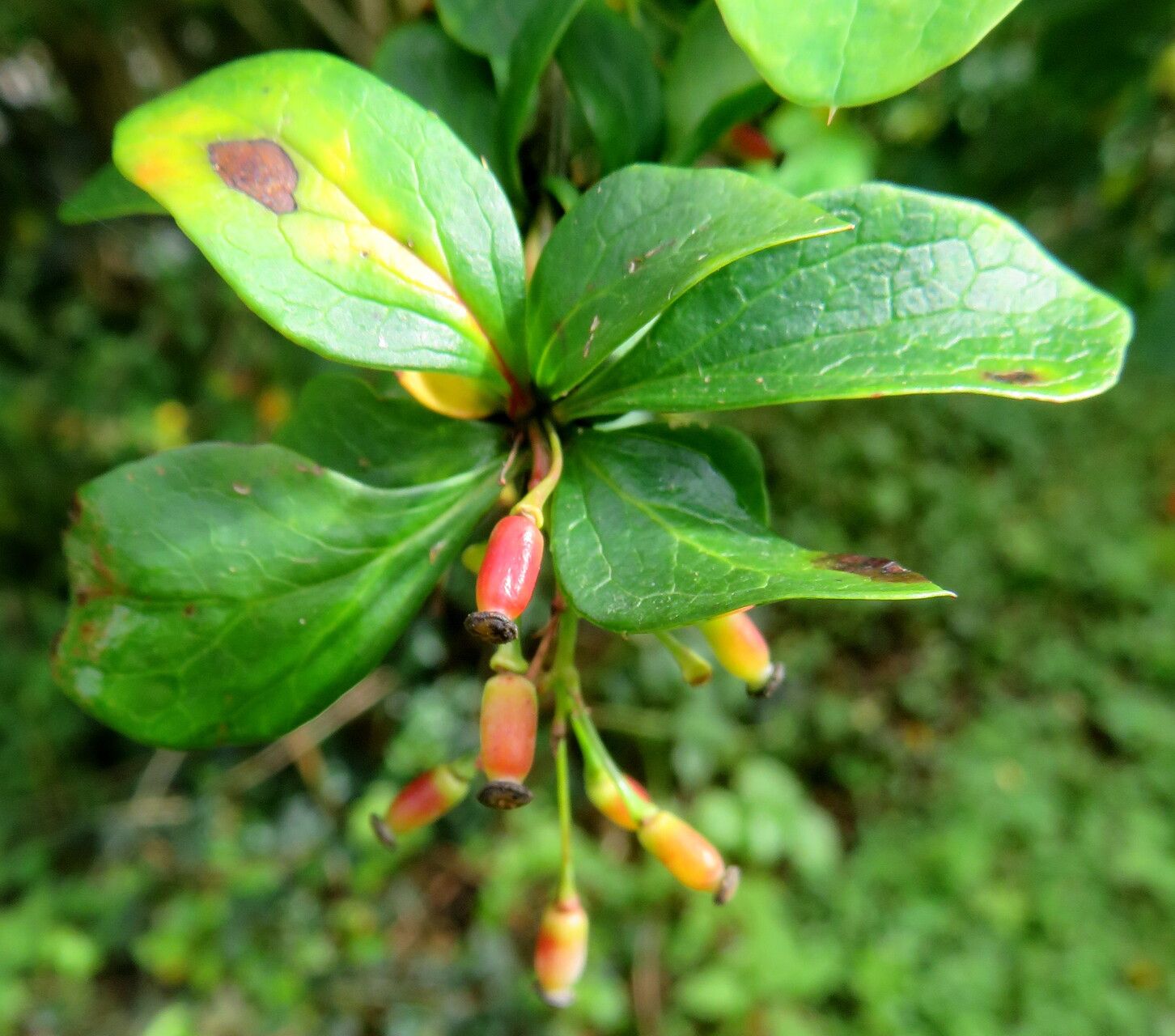
Berberis francisci-ferdinandi, also known as Emperor William’s Barberry, is a striking deciduous shrub prized for its vibrant foliage and attractive fruit. Its deep red, almost purple, young leaves gradually mature to a rich dark green, offering seasonal color interest. This relatively compact barberry adds architectural interest to gardens, especially when its fiery red autumn foliage and bright red berries are showcased. Its popularity stems from its relatively low maintenance, pest resistance, and adaptable nature. However, propagating this beautiful shrub presents unique challenges that this guide will explore.
Seed Germination:
Currently, there are no known reliable methods for seed germination propagation of Berberis francisci-ferdinandi. While some Berberis species readily germinate from seed, this particular cultivar often exhibits extremely low germination rates or fails to germinate altogether. Further research into specific seed treatment protocols may be needed to overcome this challenge.
Cuttings:
Cuttings offer a more promising method for propagating Berberis francisci-ferdinandi.
Challenges: The success rate can be variable, depending on the timing, the type of cutting used (hardwood vs. softwood), and the rooting hormone and medium employed.
Practical Tips: Semi-hardwood cuttings taken in late summer or early autumn generally show the best results. Cuttings should be approximately 4-6 inches long, with the lower leaves removed to minimize water loss. Dip the cut ends in a rooting hormone powder before planting in a well-draining, moist propagation mix (e.g., a mixture of peat moss and perlite). Maintain high humidity using a propagator or cloche to encourage root development.
Rewards: Cuttings offer a relatively straightforward way to obtain genetically identical plants to the parent shrub. This ensures the preservation of desirable characteristics like foliage color and compactness.
Division:
Division is a viable option, but limited in scope.
Challenges: Berberis francisci-ferdinandi doesn’t readily lend itself to division because its root system is not as extensively clump-forming as some other shrubs. Attempting to divide a mature plant risks damaging the root system and potentially killing the parent plant.
Practical Tips: Division should only be attempted on relatively young and smaller plants. Carefully dig up the plant, and use a sharp, clean knife or spade to divide the root ball into several sections, ensuring each section has healthy roots and shoots. Replant promptly and water thoroughly.
Rewards: Successful division can provide a quick way to increase the number of plants, but this method is less reliable and has limited applicability compared to cuttings.
Tissue Culture:
Tissue culture provides a potentially high-yield approach, but requires specialized equipment and technical expertise.
Challenges: Establishing aseptic conditions and developing the appropriate nutrient media for Berberis francisci-ferdinandi can be complex and requires significant experience in plant tissue culture techniques. Moreover, this method is costly and time-consuming for the inexperienced.
Practical Tips: This method is best left to professional plant nurseries or labs specializing in tissue culture propagation.
Rewards: Tissue culture offers the highest potential for rapid and large-scale propagation, allowing for the efficient production of many identical plants.
Conclusion:
Propagating Berberis francisci-ferdinandi presents unique challenges, with cuttings providing the most reliable method for the home gardener. While seed germination and division are largely ineffective, tissue culture offers a high-yield potential but requires specialized expertise. The rewards, however, are well worth the effort. Successfully nurturing a new plant from a cutting, overcoming the initial hurdles, provides a unique satisfaction that connects you more deeply to the plant itself, deepening the appreciation of its beauty and resilience. Don’t be discouraged by initial setbacks, experiment with different cuttings, and enjoy the journey of producing more of these magnificent shrubs for your garden, and perhaps, even to share with fellow plant enthusiasts.