
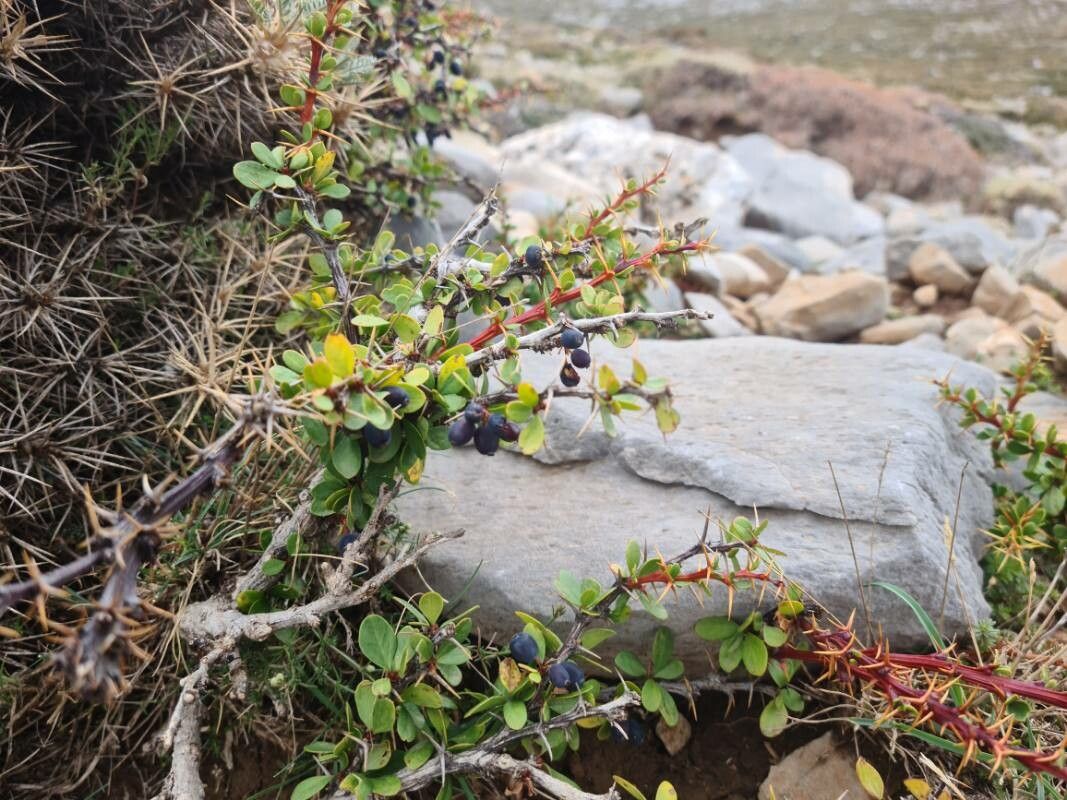
Propagating Berberis cretica: A Gardener’s Guide to the Cretan Barberry
Berberis cretica, commonly known as the Cretan barberry, is a low-growing, spiny shrub native to the mountainous regions of Crete and other parts of the Eastern Mediterranean. Its small, leathery leaves and bright yellow flowers, followed by attractive red berries, make it a desirable addition to rock gardens, borders, or as a groundcover. Its drought tolerance and adaptability to poor soils further enhance its horticultural appeal, contributing to its increasing popularity among gardeners. However, propagation of Berberis cretica presents unique challenges, making successful cultivation a rewarding experience.
Seed Germination:
Currently, there are no known reliable methods for seed germination propagation of Berberis cretica. While seeds may be produced, germination rates are extremely low, likely due to a complex dormancy mechanism that hasn’t been fully elucidated. Further research is needed to determine if specific pre-treatments, such as scarification or stratification, could improve germination success.
Cuttings:
Cuttings offer a more reliable method for propagating Berberis cretica.
Challenges: Rooting can be slow and inconsistent. The success rate depends heavily on timing (ideally taking semi-hardwood cuttings in late summer), the use of rooting hormones, and maintaining optimal humidity and temperature.
Practical Tips: Take 8-10cm cuttings from non-flowering stems. Remove lower leaves, dip the cut ends in rooting hormone, and plant them in a well-draining propagation mix (e.g., perlite and peat moss). Maintain high humidity using a propagator or covering with a plastic bag. Bottom heat can also significantly improve rooting success.
Rewards: Cuttings provide a relatively quicker method of producing genetically identical plants, preserving desirable characteristics. This makes it ideal for maintaining specific cultivars.
Division:
Division is feasible for established Berberis cretica plants.
Challenges: This method is only suitable for larger, mature plants. Careful division is crucial to avoid damaging the root system, which can hinder the survival of the divided portions.
Practical Tips: Divide the plant in spring or autumn, ensuring each division has a healthy root system and several stems. Plant the divisions immediately in well-prepared soil, ensuring adequate watering until establishment.
Rewards: Division is a relatively simple method for multiplying existing plants and is less technically demanding than other propagation methods.
Tissue Culture:
Tissue culture offers a potentially high-yield method for propagating Berberis cretica, but it’s a sophisticated technique.
Challenges: This method requires specialized equipment, a sterile laboratory environment, and knowledge of plant tissue culture techniques. Establishing a suitable medium and protocols for Berberis cretica would require dedicated research.
Practical Tips: Professional laboratories specializing in plant propagation are best suited for this method.
Rewards: This technique allows for rapid large-scale multiplication of genetically identical plants, offering consistent quality and preservation of desirable traits.
Conclusion:
Propagating Berberis cretica presents varying degrees of difficulty depending on the chosen method. While seed germination is currently unreliable, cuttings offer a viable, though somewhat challenging, approach for most gardeners. Division is a simple option for established plants. Tissue culture, while potentially high-yield, requires specialized knowledge and resources. The rewards of successfully cultivating this attractive and resilient shrub, however, are well worth the effort. The unique satisfaction of nurturing a plant from a cutting, overcoming the propagation hurdles, and witnessing its growth and flourishing is a testament to the gardener’s dedication and skill. For aspiring propagators, starting with cuttings and mastering the technique offers a rewarding entry point into the world of Berberis cretica cultivation. Remember patience and persistence are key to success with this beautiful, though somewhat stubborn, plant.