
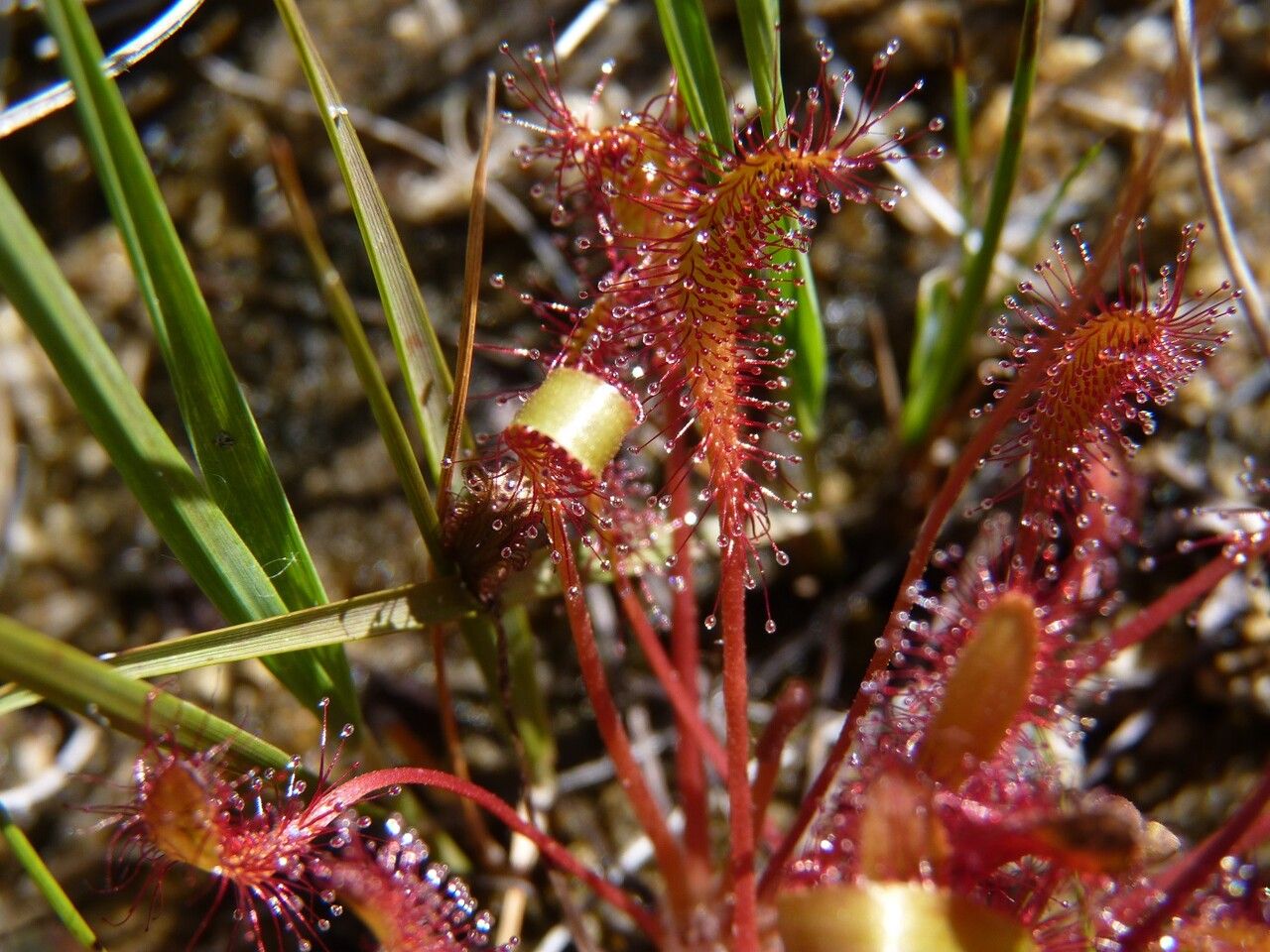
Propagating the Great Sundew: A Guide to Cultivating Drosera anglica
Introduction:
Drosera anglica, commonly known as the Great Sundew, is a captivating carnivorous plant belonging to the Droseraceae family. Characterized by its bright red, tentacle-like leaves adorned with sticky glands that trap unsuspecting insects, D. anglica boasts a unique beauty that has garnered it a dedicated following among carnivorous plant enthusiasts. Its adaptability to boggy, nutrient-poor conditions and its relatively hardy nature make it a desirable addition to any bog garden or specialized collection. However, propagating this charming species can present its own set of challenges. This article explores various propagation methods, outlining their viability and offering practical guidance to aspiring cultivators.
Seed Germination:
Seed germination is a viable, albeit challenging, method for propagating Drosera anglica. The primary hurdle lies in the seeds’ dormancy requirements. D. anglica seeds typically require a period of cold stratification – exposure to cold, moist conditions – to break dormancy. This can be achieved by sowing seeds on moist peat moss or sphagnum moss in a sealed container and placing them in the refrigerator at around 4°C (39°F) for 2-4 months. After stratification, seeds should be sown on a moist, well-draining substrate (e.g., a mix of peat moss and perlite) and kept in bright, but indirect, light. Maintain consistently moist conditions, but avoid waterlogging. Germination can be slow and uneven, potentially taking several weeks or even months. The rewards, however, are significant: seed germination offers the potential for high genetic diversity, crucial for preserving the species’ genetic health, and allows for large-scale propagation if successful.
Cuttings:
Currently, there are no known reliable methods for propagating Drosera anglica from cuttings. Leaf or stem cuttings generally do not readily root and often succumb to rot before establishing roots.
Division:
Division is a relatively straightforward and successful method for propagating Drosera anglica. Established, mature plants often produce lateral offsets or offshoots. During spring or early summer, carefully remove these offsets from the mother plant, ensuring each division retains a portion of healthy rhizome and roots. Plant the divisions individually in a suitable substrate similar to that used for seed germination. Keep them moist and protected from direct sunlight until established. This method preserves the genetic characteristics of the parent plant and is a quick way to increase the number of plants.
Tissue Culture:
Tissue culture offers the potential for rapid and large-scale propagation of Drosera anglica, though it requires specialized equipment and sterile techniques. This method involves growing plant tissues (such as leaf segments or meristems) in a nutrient-rich, sterile medium under controlled conditions. While effective, tissue culture is generally not suitable for home cultivators due to its complexity and cost.
Conclusion:
Propagating Drosera anglica presents a spectrum of challenges, ranging from the meticulous requirements of seed germination to the specialized knowledge needed for tissue culture. While cuttings prove unreliable, division offers a relatively simple and effective method for the home grower. The satisfaction derived from successfully nurturing these delicate plants, however, is immense. This sense of accomplishment stems from understanding and overcoming the particular difficulties each propagation method presents. Whether through the patience of seed germination or the careful precision of division, the reward of a thriving Drosera anglica stands as a testament to the dedication and care bestowed upon it. For aspiring propagators, we encourage perseverance: start with division, explore seed germination with diligent stratification, and remember that even experienced cultivators often encounter setbacks. The journey itself is part of the rewarding experience of cultivating this exquisite carnivorous plant.